

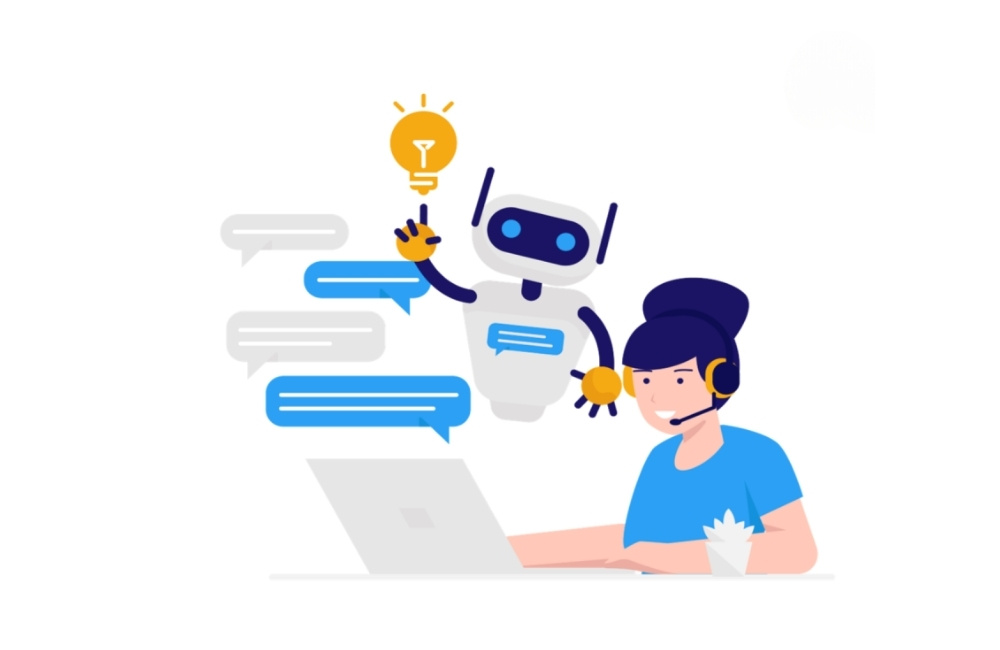
AI marketing benefits
AI marketing benefits like smarter targeting, faster content creation, and better customer insights. Say goodbye to outdated marketing
AI marketing benefits
Why Marketing Without AI Isn’t Working Anymore
Marketing teams everywhere are discovering a harsh reality: traditional approaches that worked five years ago are falling short. While competitors leverage artificial intelligence to deliver hyper-personalized experiences and optimize campaigns in real-time, businesses stuck with outdated methods watch their engagement rates plummet and acquisition costs soar.
The shift isn’t subtle—it’s seismic. Consumer behavior has evolved dramatically, fueled by expectations shaped by AI-powered platforms like Netflix, Amazon, and Spotify. These platforms don’t just suggest content; they predict what users want before they know it themselves. This level of sophistication has become the new standard across all industries.
Marketing automation and AI marketing tools have transformed from competitive advantages into essential survival tools. Companies that resist this evolution find themselves speaking to audiences who have already moved on, using strategies that feel increasingly out of touch with modern consumer expectations.
The Changing Landscape of Marketing
Consumer expectations have reached unprecedented heights. Modern buyers expect personalized experiences at every touchpoint, from the first advertisement they see to the checkout process. They want relevant content delivered at the right moment through their preferred channels.
This transformation stems from widespread exposure to AI-driven experiences. When someone receives perfectly timed product recommendations on Amazon or discovers new music that matches their exact mood on Spotify, they begin expecting similar precision from every brand interaction.
Competition has intensified accordingly. Markets that once supported multiple players using similar strategies now favor those who can deliver superior personalization and customer experiences. The gap between AI-enhanced marketing and traditional approaches widens daily, creating an environment where adaptation isn’t optional—it’s mandatory for survival.
Digital marketing channels have multiplied exponentially, each requiring different content formats, timing strategies, and audience considerations. Managing this complexity manually has become virtually impossible for teams of any size.
Limitations of Traditional Marketing
Traditional marketing approaches face several critical limitations in the current landscape. Manual campaign management consumes enormous amounts of time while delivering increasingly poor results. Marketing teams spend hours creating content variations, scheduling posts, and analyzing performance data—tasks that AI marketing tools can complete in minutes.
Resource allocation becomes guesswork without data-driven insights. Traditional methods rely heavily on intuition and past performance, which often fail to account for rapidly changing consumer preferences and market conditions. This approach leads to wasted budget on underperforming channels and missed opportunities in high-potential areas.
Personalization at scale remains nearly impossible through manual processes. While marketing teams understand the importance of tailored messaging, creating individualized experiences for thousands or millions of customers requires technological assistance that traditional methods cannot provide.
Response time limitations create additional challenges. Modern consumers expect immediate responses to inquiries and rapid adaptation to trending topics. Manual processes simply cannot match the speed required to capitalize on fleeting opportunities or address emerging issues before they escalate.
Data analysis becomes overwhelming without automated systems. The volume of available customer data exceeds human processing capabilities, leaving valuable insights buried in spreadsheets and analytics platforms.
Benefits of Integrating AI in Marketing
AI marketing strategies deliver transformative advantages that traditional approaches cannot match. Personalization reaches unprecedented levels of sophistication, with AI systems analyzing hundreds of data points to determine optimal content, timing, and channel selection for each individual customer.
Efficiency improvements free marketing teams from repetitive tasks, allowing them to focus on strategy and creative development. Marketing automation powered by artificial intelligence handles routine operations like email scheduling, social media posting, and basic customer service responses.
Predictive analytics capabilities enable proactive decision-making. AI systems identify emerging trends, predict customer behavior patterns, and recommend adjustments before performance declines become apparent through traditional metrics.
Real-time optimization ensures campaigns perform at peak efficiency throughout their duration. Rather than waiting for campaign completion to analyze results, AI continuously adjusts targeting, messaging, and budget allocation based on incoming performance data.
Cost efficiency improves dramatically through precise targeting and automated optimization. AI eliminates waste by identifying the most receptive audiences and optimal spending allocation across channels and time periods.
Customer experience enhancement occurs through intelligent chatbots, personalized product recommendations, and dynamic content that adapts to individual preferences and behaviors.
Examples of AI-Powered Marketing Tools
The AI marketing tools landscape offers solutions for every aspect of digital marketing operations. Content creation platforms like Jasper and Copy.ai generate high-quality written materials at scale, producing everything from social media captions to long-form blog posts while maintaining brand voice consistency.
SEO optimization benefits from tools like Surfer SEO and MarketMuse, which analyze search intent and competitor strategies to recommend content improvements and identify keyword opportunities that manual research might miss.
Social media management platforms such as Hootsuite and Sprout Social incorporate AI features for optimal posting times, content suggestions, and audience engagement prediction.
Email marketing automation reaches new sophistication levels through platforms like Klaviyo and Mailchimp, which segment audiences dynamically and personalize content based on individual behavior patterns and preferences.
Customer relationship management systems like HubSpot and Salesforce integrate AI capabilities for lead scoring, sales forecasting, and automated nurture sequences that adapt to prospect behavior.
Advertising platforms, including Google Ads and Facebook Ads Manager, offer built-in AI optimization features that automatically adjust bidding strategies, audience targeting, and creative elements based on performance data.
Case Studies
Spotify demonstrates AI marketing excellence through its personalized playlist creation and music recommendation systems. The platform analyzes listening habits, time of day preferences, and even mood indicators to create uniquely tailored experiences for each user. This approach has resulted in increased user engagement and reduced churn rates.
Netflix leverages artificial intelligence for content recommendations and thumbnail personalization. The platform shows different movie artwork to different users based on their viewing history and preferences, significantly improving click-through rates and viewing completion.
Amazon’s recommendation engine drives approximately 35% of total sales through AI-powered product suggestions. The system analyzes purchase history, browsing behavior, and similar customer patterns to predict and suggest relevant products at optimal moments in the customer journey.
Starbucks uses AI marketing strategies through its mobile app to deliver personalized offers and recommendations. The system considers factors like purchase history, location data, and weather conditions to suggest relevant products and promotions, resulting in increased customer lifetime value.
Getting Started with AI in Marketing
Beginning your AI marketing journey requires strategic planning rather than wholesale transformation. Start by identifying specific pain points in your current marketing operations where automation could provide immediate relief.
Audit your existing marketing automation systems and data collection practices. Many businesses already possess valuable customer data but lack the tools to extract actionable insights. Understanding your current data landscape helps prioritize which AI marketing tools will deliver the greatest immediate impact.
Choose pilot programs that offer measurable results and limited risk exposure. Email marketing automation or social media scheduling provides excellent starting points because they offer clear metrics and contained testing environments.
Invest in team education and training programs. AI marketing tools require different skills and approaches than traditional methods. Ensuring your team understands both the capabilities and limitations of artificial intelligence prevents costly mistakes and maximizes tool effectiveness.
Establish clear success metrics before implementation begins. AI marketing strategies require different measurement approaches than traditional campaigns, focusing more on long-term customer lifetime value and engagement quality rather than simple conversion numbers.
Consider partnering with experienced AI marketing agencies or consultants for initial implementations. External expertise can accelerate adoption timelines and help avoid common pitfalls that delay results.
Embracing the AI Marketing Revolution
The evidence is overwhelming: marketing without AI has become a competitive disadvantage that grows more severe each day. Consumer expectations, market complexity, and competitive pressures have evolved beyond the capabilities of traditional marketing approaches.
Businesses that embrace AI marketing tools and strategies position themselves for sustainable growth in an increasingly sophisticated marketplace. Those that delay adoption risk falling further behind competitors who leverage artificial intelligence for superior customer experiences and operational efficiency.
The transition doesn’t require immediate wholesale changes. Thoughtful, strategic implementation of marketing automation and AI marketing strategies can deliver significant improvements while building organizational capabilities for future advancement.
The choice is clear: adapt to the AI-powered marketing landscape or watch competitors capture the customers, efficiency gains, and market opportunities that modern technology makes possible.
AI marketing benefits
AI marketing benefits like smarter targeting, faster content creation, and better customer insights. Say goodbye to outdated marketing
