

Why Internal Links Are Critical for Your SEO Strategy
Search engine optimization involves numerous moving parts, but one of the most underutilized tactics remains internal linking. Internal links are hyperlinks that connect one page of your website to another page within the same domain. These connections serve as pathways that guide both users and search engines through your content ecosystem.
While many website owners focus heavily on acquiring external backlinks, they often overlook the power of their internal linking structure. This oversight represents a missed opportunity to enhance user experience, improve search engine rankings, and maximize the value of existing content.
internal linking for SEO
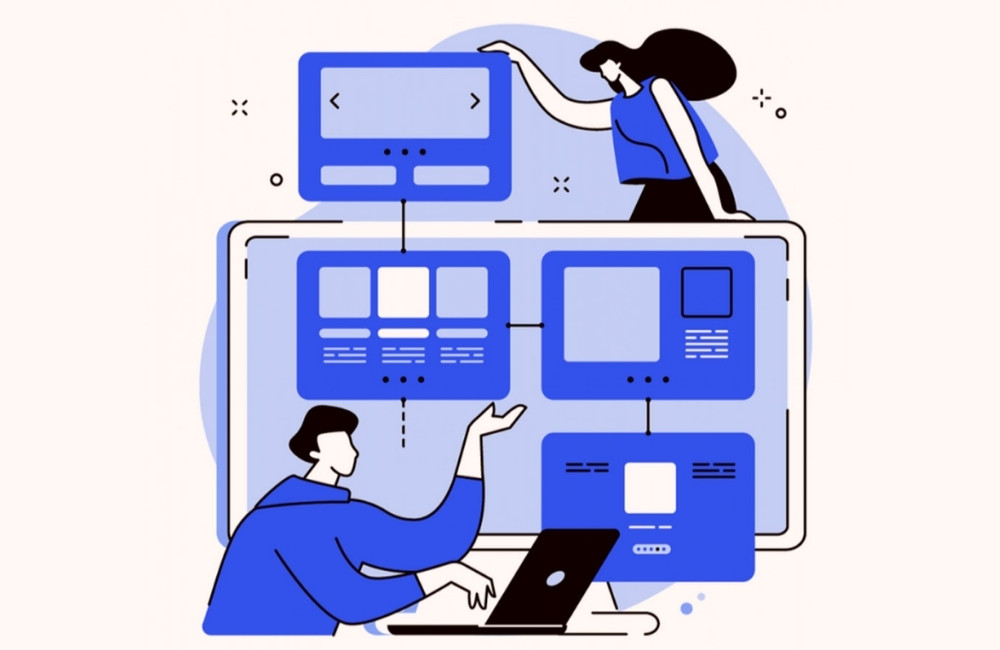
Internal linking for SEO helps search engines understand your site structure. The benefits of internal links include better page ranking, easier navigation, and more time spent by visitors on your site.
A well-executed internal linking strategy can transform how search engines crawl and index your site while simultaneously improving user engagement metrics. The benefits extend far beyond simple website navigation, creating a foundation for sustained organic growth and improved search visibility.
Enhanced Website Navigation Improves User Experience
Internal links serve as digital roadmaps that guide visitors through your website’s content. When users can easily find related information, they develop greater confidence in your site’s organization and authority. Clear navigation paths reduce bounce rates and encourage deeper exploration of your content.
Strategic internal linking creates logical content hierarchies that make sense to both users and search engines. By connecting related topics, you help visitors discover valuable information they might otherwise miss. This interconnected approach demonstrates your expertise across multiple subject areas while keeping users engaged with your brand.
Well-placed internal links also reduce the cognitive load on visitors by anticipating their next questions or interests. When someone reads about a complex topic, relevant internal links can direct them to foundational concepts or advanced applications, creating a comprehensive learning experience.
Increased Time on Site Boosts Engagement Metrics
Effective internal linking directly impacts how long visitors spend on your website. When users can seamlessly move between related pages, they naturally extend their browsing sessions. This increased dwell time sends positive signals to search engines about your content’s quality and relevance.
Extended site visits also provide more opportunities for conversion, whether that means newsletter signups, contact form submissions, or product purchases. Each additional page view represents another chance to demonstrate value and build trust with potential customers.
Search engines interpret longer session durations as indicators of content quality and user satisfaction. Websites that consistently achieve higher engagement metrics often receive preferential treatment in search results, creating a virtuous cycle of improved visibility and increased traffic.
Better Indexing Helps Search Engines Discover Content
Search engine crawlers navigate websites by following links, making internal linking essential for comprehensive content discovery. Pages without internal links pointing to them may remain invisible to search engines, regardless of their quality or relevance. This situation, known as orphaned content, represents wasted SEO potential.
internal linking for SEO
Internal linking for SEO helps search engines understand your site structure. The benefits of internal links include better page ranking, easier navigation, and more time spent by visitors on your site.
A robust internal linking structure ensures that search engine bots can reach every important page on your site. The frequency and context of internal links also signal content importance to crawlers. Pages that receive more internal links are typically crawled more frequently and given higher priority in search results.
Fresh content benefits particularly from strategic internal linking. When you publish new pages and immediately connect them to existing content, search engines discover and index them more quickly. This accelerated indexing process can provide competitive advantages in fast-moving industries or trending topics.
Link Equity Distribution Strengthens Your Entire Site
Link equity, sometimes referred to as “link juice” or PageRank, flows through internal links from high-authority pages to connected content. This distribution mechanism allows successful pages to boost the rankings of related content across your website. Strategic internal linking ensures that valuable link equity reaches your most important pages.
Home pages and popular blog posts typically accumulate significant link equity from external sources. By linking from these high-authority pages to other valuable content, you can enhance the ranking potential of your entire site. This internal distribution system maximizes the SEO value of every external link you earn.
The anchor text used in internal links also influences how search engines understand and categorize your content. Descriptive anchor text helps search engines associate specific keywords with target pages, improving their relevance for related search queries.
Keyword Anchoring Reinforces Content Relevance
The clickable text in your internal links, known as anchor text, provides crucial context clues to search engines about your linked content. Using relevant keywords in anchor text helps search engines understand what topics your pages cover and how they relate to each other.
Effective keyword anchoring requires a balance between optimization and natural language. Overly aggressive keyword stuffing in anchor text can trigger spam penalties, while generic phrases like “click here” provide minimal SEO value. The most effective approach uses descriptive, keyword-rich phrases that accurately represent the linked content.
Varied anchor text also signals content depth and authority to search engines. Using multiple relevant phrases to link to the same page demonstrates comprehensive topical coverage and natural linking patterns that search engines prefer.
Strategic Placement Maximizes Internal Linking Impact
The location and context of internal links significantly influence their effectiveness. Links within the main content area typically carry more weight than those in sidebars or footers. Contextual links that appear naturally within relevant discussions provide the greatest SEO value.
Early placement within content often generates higher click-through rates and stronger SEO signals. Readers are more engaged at the beginning of articles, making them more likely to follow relevant internal links. This increased user interaction reinforces the value of your internal linking strategy.
Consider implementing internal links at natural transition points within your content. When discussing complex topics, link to foundational concepts early in the article. Near the conclusion, include links to related advanced topics or practical applications that extend the reader’s learning experience.
Transform Your SEO Strategy Through Internal Linking
Internal linking represents one of the most accessible and cost-effective SEO strategies available to website owners. Unlike external link building, which requires significant outreach and relationship building, internal linking remains entirely within your control.
Start by auditing your existing content to identify linking opportunities between related topics. Focus on connecting high-authority pages to newer content that could benefit from additional visibility. Use descriptive anchor text that accurately represents your linked content while incorporating relevant keywords naturally.
Remember that effective internal linking serves users first and search engines second. When you create genuine value for your visitors through strategic content connections, improved search rankings follow naturally. Begin implementing these internal linking principles today to unlock your website’s full SEO potential.
internal linking for SEO
Internal linking for SEO helps search engines understand your site structure. The benefits of internal links include better page ranking, easier navigation, and more time spent by visitors on your site.
