

When to Use a Text Sitemap for Small Websites
A well-organized website requires clear navigation paths that guide both users and search engines through your content. While most website owners focus on XML sitemaps for search engine optimization, text sitemaps offer unique advantages that many small businesses overlook. Understanding when and how to implement a text sitemap can significantly enhance your website’s user experience and Accessibility.
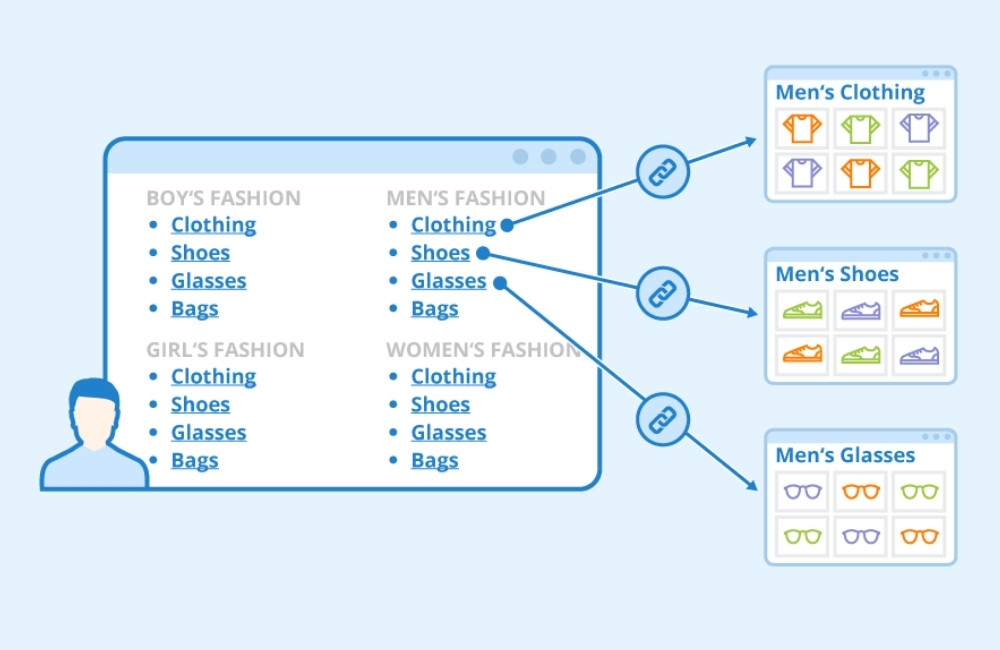
A text sitemap is a simple, hierarchically organized list of all pages on your website, designed primarily for human visitors rather than search engine crawlers. Unlike complex navigation menus or dropdown systems, text sitemaps present your entire website structure on a single page using plain text links. This straightforward approach makes your content easily discoverable and accessible to all users.
For small websites with focused content and clear objectives, text sitemaps can serve as powerful navigation tools that complement your existing SEO strategy. They provide users with a comprehensive overview of your website’s structure while supporting your overall small website SEO efforts.
Understanding XML vs Text Sitemaps
text sitemap for small websites
A text sitemap for small websites is a simple list of URLs to help search engines crawl your pages. Use it when to use a text sitemap: for basic sites with few pages and no complex structure.
The distinction between XML sitemaps and text sitemaps lies in their primary purpose and target audience. XML sitemaps are structured data files specifically designed for search engines like Google, Bing, and Yahoo. These files contain metadata about your pages, including last modification dates, change frequencies, and priority levels that help search engine crawlers understand and index your content more effectively.
XML sitemaps use a standardized markup language that search engines can easily parse and interpret. They typically include additional information such as image locations, video content, and news articles, making them comprehensive resources for search engine optimization. Website owners submit XML sitemaps directly to search engines through tools like Google Search Console.
Text sitemaps, by contrast, focus entirely on human users and website navigation. They consist of simple HTML pages containing organized lists of links to every page on your website. Text sitemaps use clear, descriptive anchor text that helps users understand what they’ll find when they click each link. They’re designed with readability and Accessibility in mind, making them valuable resources for visitors who need to locate specific information quickly.
While XML sitemaps work behind the scenes to support your technical SEO efforts, text sitemaps serve as visible navigation aids that enhance user experience. Both types of sitemaps play important roles in a comprehensive SEO strategy, but they address different aspects of website optimization.
Benefits of Text Sitemaps for Small Websites
Text sitemaps offer several compelling advantages for small websites that prioritize user experience and Accessibility. These benefits become particularly pronounced when your website serves a specific audience with clear information needs.
Enhanced User Navigation represents the primary advantage of implementing a text sitemap. Users can quickly scan your entire website structure without navigating through multiple menu levels or conducting searches. This comprehensive overview helps visitors understand the full scope of your content and locate relevant information more efficiently.
Improved Accessibility makes text sitemaps valuable for users with disabilities or those using assistive technologies. Screen readers can easily process simple text links, and users who struggle with complex navigation systems can rely on the straightforward structure of a text sitemap. This accessibility improvement aligns with web standards and demonstrates your commitment to inclusive design.
SEO Support emerges as an additional benefit, even though text sitemaps primarily serve users. Search engines can discover and crawl links within your text sitemap, improving the indexing of pages that might otherwise be difficult to find. The internal linking structure created by your text sitemap can also distribute page authority throughout your website more effectively.
Reduced Bounce Rates often result from improved navigation capabilities. When users can easily find relevant content through your text sitemap, they’re more likely to explore multiple pages and engage with your website for longer periods. This increased engagement sends positive signals to search engines about your content quality and relevance.
When Small Websites Should Use Text Sitemaps
Several specific scenarios make text sitemaps particularly valuable for small websites. Understanding these situations helps you determine whether implementing a text sitemap aligns with your website’s goals and user needs.
Limited Page Count creates ideal conditions for text sitemap implementation. Websites with 50 pages or fewer can present their entire structure on a single text sitemap page without overwhelming users. This comprehensive overview becomes manageable and useful rather than cluttered and confusing.
Simple Website Structures benefit significantly from text sitemap organization. If your website follows a straightforward hierarchy with clear categories and subcategories, a text sitemap can effectively mirror this structure. Users can understand your content organization at a glance and navigate directly to relevant sections.
Professional Service Websites often find text sitemaps particularly useful for client navigation. Law firms, medical practices, consulting businesses, and similar service providers can use text sitemaps to help potential clients locate specific service descriptions, attorney profiles, or contact information quickly.
text sitemap for small websites
A text sitemap for small websites is a simple list of URLs to help search engines crawl your pages. Use it when to use a text sitemap: for basic sites with few pages and no complex structure.
Content-heavy websites with extensive blog archives, resource libraries, or documentation sections can use text sitemaps to make older or buried content more discoverable. Users researching specific topics can scan your complete content inventory rather than relying solely on search functionality.
Mobile-First Audiences may find text sitemaps more convenient than complex dropdown menus on smaller screens. The simple list format translates well to mobile devices and provides an alternative to hamburger menus that some users find difficult to navigate.
Best Practices for Text Sitemap Creation
Creating an effective text sitemap requires careful attention to Organization, clarity, and maintenance. Following established best practices ensures your text sitemap serves users effectively while supporting your overall website navigation strategy.
Logical Organization forms the foundation of successful text sitemap design. Structure your links hierarchically, grouping related pages under clear category headings. Use consistent indentation or numbering systems to show relationships between parent pages and subpages. This visual hierarchy helps users understand your website’s structure and locate relevant content quickly.
Descriptive Link Text ensures users understand what they’ll find when clicking each link. Avoid generic phrases like “click here” or “read more” in favor of specific descriptions that accurately represent page content. For example, use “Employment Law Consultation Services” instead of “Services Page” to provide clear expectations about page content.
Strategic Link Placement involves positioning your most important pages prominently within the sitemap structure. Place high-priority content near the top of relevant sections and ensure critical pages like contact information and key services are easily discoverable within the organizational system.
Regular Updates maintain the accuracy and usefulness of your text sitemap. Establish a routine for reviewing and updating your sitemap whenever you add, remove, or significantly modify website pages. Broken links or outdated information can frustrate users and undermine the sitemap’s effectiveness.
User Testing helps validate your text sitemap’s effectiveness. Ask colleagues, clients, or website visitors to locate specific information using your text sitemap and observe any difficulties they encounter. This feedback can reveal organizational problems or unclear link descriptions that need improvement.
Maximizing Your Website Navigation Strategy
Text sitemaps represent valuable tools for small websites that prioritize user experience and Accessibility. When implemented thoughtfully, they complement your existing navigation systems and support both user satisfaction and small website SEO objectives. The key lies in understanding when your website structure and user needs align with the strengths of text sitemap organization.
Consider implementing a text sitemap if your website serves users who need comprehensive content overviews, operates within a simple structural framework, or prioritizes accessibility compliance. Regular maintenance and user feedback will help ensure your text sitemap continues serving its intended purpose as your website grows and evolves.
