

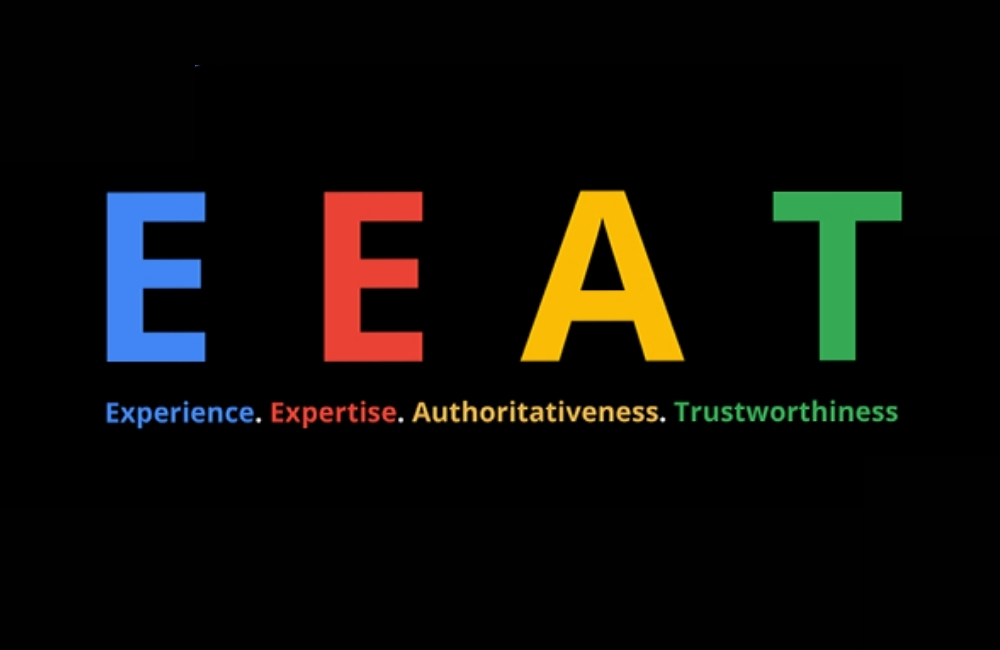
What E-E-A-T Means for Your Blog
Google’s algorithm updates have fundamentally transformed how content creators and digital marketers approach search engine optimization. Among these developments, few concepts have proven as critical to long-term SEO success as E-E-A-T: Experience, Expertise, Authoritativeness, and Trustworthiness. This framework represents Google’s sophisticated approach to evaluating content quality and determining which websites are worthy of prominent search rankings.
Understanding E-E-A-T principles has become essential for bloggers, content creators, and businesses seeking to establish meaningful online visibility. The framework extends beyond traditional SEO tactics, requiring publishers to demonstrate genuine value, credibility, and subject matter expertise. For organizations committed to building sustainable digital presence, mastering E-E-A-T implementation can significantly enhance search performance while establishing authentic connections with target audiences.
Understanding the Four Pillars of E-E-A-T
Experience: Demonstrating Real-World Knowledge
Experience represents the foundational element of Google’s quality assessment framework. This component evaluates whether content creators possess genuine, hands-on knowledge of their subject matter. Google’s quality raters specifically examine whether authors have practical experience with the topics they discuss, products they review, or services they recommend.
Demonstrating experience requires more than theoretical knowledge. Content must reflect authentic insights gained through direct involvement, personal testing, or professional practice. For instance, a financial advisor writing about investment strategies should reference actual client scenarios, market observations, and practical applications rather than merely restating textbook concepts.
Expertise: Showcasing Professional Competence
Expertise encompasses the depth of knowledge and professional qualifications that content creators bring to their subject areas. This pillar examines formal education, professional certifications, industry recognition, and specialized training relevant to the content being produced. Google’s evaluation process assesses whether authors possess the necessary background to provide accurate and comprehensive information.
Professional expertise is demonstrated through detailed analysis, technical accuracy, and a nuanced understanding of complex topics. Medical professionals writing health content, certified financial planners discussing investment strategies, and licensed attorneys addressing legal matters exemplify the type of qualified expertise Google’s algorithm prioritizes.
Authoritativeness: Building Industry Recognition
Authoritativeness reflects the recognition and reputation that content creators and websites have earned within their respective industries. This component extends beyond individual qualifications to encompass broader professional standing, peer acknowledgment, and industry influence. Google evaluates authoritativeness through external signals, including citations from reputable sources, mentions in industry publications, and recognition from professional organizations.
Establishing authoritativeness requires consistent demonstration of expertise across multiple platforms and contexts. Speaking engagements, published research, professional awards, and media appearances contribute to authoritative positioning. The process typically develops over time through sustained excellence and industry engagement.
Trustworthiness: Ensuring Reliability and Transparency
Trustworthiness represents the overarching quality that encompasses reliability, transparency, and ethical content practices. This pillar examines whether websites provide accurate information, maintain transparent business practices, and prioritize user welfare over commercial interests. Google’s assessment includes technical factors such as secure connections, clear privacy policies, and accessible contact information.
Trust signals encompass content accuracy, source attribution, regular updates, and the correction of errors when identified. Websites that demonstrate consistent reliability, ethical business practices, and a genuine commitment to user value earn higher trustworthiness ratings.
Practical Strategies for Implementing E-E-A-T
Establishing Author Credentials
Comprehensive author biographies represent a fundamental implementation of E-E-A-T. These profiles should detail relevant education, professional experience, certifications, and industry accomplishments. Include specific achievements, published works, speaking engagements, and professional affiliations that establish credibility within your subject area.
Author pages should feature professional headshots, detailed career histories, and links to external validation such as LinkedIn profiles, skill websites, or industry directories. This transparency enables both users and search engines to verify credentials and assess qualification levels.
Creating Comprehensive Content
E-E-A-T-optimized content demonstrates a thorough understanding through detailed analysis, multiple perspectives, and practical applications. Address topics comprehensively, acknowledging limitations, potential risks, and alternative viewpoints where appropriate. This balanced approach signals genuine expertise rather than promotional content.
Incorporate case studies, real-world examples, and personal insights that reflect experience. Reference current research, industry data, and authoritative sources to support key points. The combination of individual expertise and external validation creates compelling, trustworthy content.
Building External Validation
Seek opportunities for external recognition through guest posting on reputable industry websites, participating in professional conferences, and contributing to industry publications. These activities generate valuable backlinks while establishing broader industry presence.
Encourage client testimonials, case study participation, and professional recommendations that validate your expertise and credibility. Display industry certifications, professional memberships, and relevant awards prominently on your website to reinforce authoritative positioning.
E-E-A-T Impact on Search Rankings
Websites demonstrating strong E-E-A-T signals typically experience improved search visibility, particularly for competitive keywords and Your Money or Your Life (YMYL) topics. Google’s algorithm increasingly prioritizes content from credible sources, especially for topics that affect health, financial security, safety, or other critical life decisions.
The correlation between E-E-A-T implementation and search performance becomes particularly evident during algorithm updates. Websites with established authority and expertise often maintain or improve their rankings during these changes, while sites lacking credible signals may experience significant decreases in visibility.
Long-term SEO success increasingly depends on the development of sustainable E-E-A-T rather than technical optimization alone. This shift reflects Google’s commitment to surfacing genuinely valuable content that effectively serves user interests.
Building Sustained E-E-A-T Excellence
Developing robust E-E-A-T requires consistent, long-term commitment to quality and credibility. Regular content audits should assess accuracy, relevance, and alignment with current industry standards. Update outdated information promptly, correct errors transparently, and expand coverage of evolving topics to ensure accuracy and completeness.
Invest in ongoing professional development, maintain current certifications, and stay informed about industry developments to stay competitive. This commitment to continuous learning strengthens expertise while providing fresh content opportunities that demonstrate current knowledge and engagement.
Monitor online reputation through regular searches for your name and brand. Address negative feedback professionally, engage with industry discussions constructively, and maintain consistent messaging across all platforms to reinforce trustworthy positioning.
Elevating Your Content Strategy Through E-E-A-T
E-E-A-T represents a fundamental shift toward quality-focused content marketing that prioritizes genuine value over technical manipulation. Success requires authentic expertise, consistent transparency, and sustained commitment to user welfare. Organizations investing in comprehensive E-E-A-T development position themselves for long-term search success while building meaningful relationships with their target audiences.
The framework rewards publishers who demonstrate real competence, maintain ethical practices, and contribute valuable insights to their industries. Begin implementing E-E-A-T principles systematically, starting with author credential documentation and comprehensive content audits. This strategic approach will strengthen your search presence while establishing the credibility necessary for sustained digital marketing success.
