

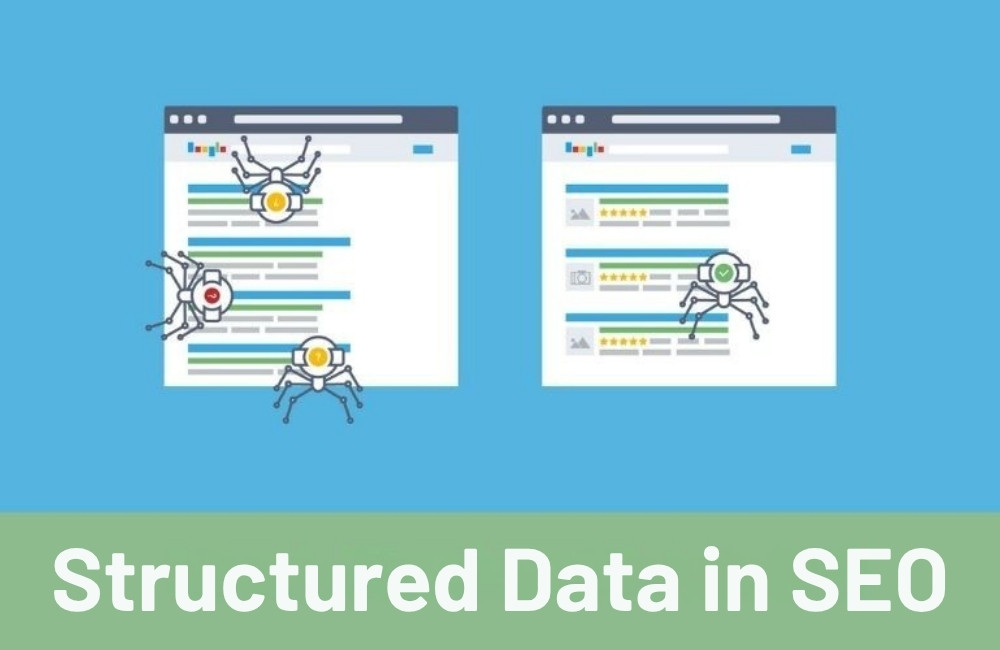
Structured data SEO tips
Use structured data SEO tips like adding schema markup to your pages. This helps search engines understand your content better and can boost Google rankings with schema for more visibility and clicks.
How Structured Data Can Boost Your Google Rank
Search engine optimization continues to evolve, and one of the most effective yet underutilized strategies for improving your Google rankings is implementing structured data markup. This powerful technique helps search engines understand your content with greater precision, leading to enhanced visibility and improved click-through rates.
Structured data transforms your website from a collection of text and images into a rich, comprehensible resource that search engines can interpret and present more effectively to users. When properly implemented, this markup can result in rich snippets, featured snippets, and enhanced search results that capture user attention and drive qualified traffic to your site.
The impact of structured data extends beyond basic SEO improvements. It creates opportunities for your content to appear in specialized search features, voice search results, and knowledge panels. With over 45 million web domains already utilizing Schema.org markup across more than 450 billion objects, businesses that haven’t adopted this strategy risk falling behind competitors who leverage these advanced optimization techniques.
Understanding Schema.org and Structured Data Types
Schema.org represents the cornerstone of structured data implementation, providing a comprehensive vocabulary that search engines universally recognize. Founded by Google, Microsoft, Yahoo, and Yandex, this collaborative platform offers standardized markup formats that communicate specific information about your content directly to search engine crawlers.
The Schema.org vocabulary encompasses three primary encoding formats: JSON-LD, Microdata, and RDFa. JSON-LD has emerged as the preferred format due to its clean implementation and Google’s explicit recommendation. This format allows you to embed structured data within script tags, maintaining separation between your markup and visible content.
Essential Schema Types for Business Success
Organization Schema establishes your business’s fundamental information, including name, address, contact details, and social media profiles. This markup forms the foundation for local SEO efforts and helps search engines associate your brand with relevant queries.
Product Schema enhances e-commerce visibility by providing detailed product information, including pricing, availability, ratings, and reviews. This markup frequently triggers rich snippets that display star ratings and pricing information directly in search results.
Article Schema optimizes blog posts and news content by specifying publication dates, authors, and article categories. This structured data improves content organization and can influence featured snippet selection.
FAQ Schema creates expandable question-and-answer sections within search results, providing immediate value to users while increasing your content’s search result real estate.
Review Schema showcases customer testimonials and ratings, building trust and credibility while potentially improving click-through rates through star rating displays.
Step-by-Step Implementation Guide
Phase 1: Content Analysis and Schema Selection
Begin by conducting a comprehensive audit of your website’s content types. Identify pages that would benefit most from structured data implementation, prioritizing high-traffic pages, product listings, and content that answers common user questions.
Map each content type to the appropriate Schema.org vocabulary. Visit Schema.org’s documentation to explore relevant schema types and understand required versus recommended properties for each markup type.
Phase 2: JSON-LD Implementation
Create your structured data markup using JSON-LD format. This approach involves embedding JavaScript Object Notation for Linked Data within script tags in your page’s HTML head section or body.
Structured data SEO tips
Use structured data SEO tips like adding schema markup to your pages. This helps search engines understand your content better and can boost Google rankings with schema for more visibility and clicks.
Structure your markup with proper syntax, ensuring all required properties are included while incorporating relevant optional properties that enhance your content’s description. Maintain consistency in naming conventions and data formatting across all implementations.
Phase 3: Technical Integration
Implement your structured data through your content management system or directly within your HTML code. Many popular CMS platforms offer plugins or built-in functionality that simplify this process, though manual implementation provides greater control and customization options.
For dynamic content, ensure your structured data updates automatically when page content changes. This synchronization prevents mismatches between visible content and markup data that could negatively impact search performance.
Validation Tools and Resources
Google’s Rich Results Test serves as the primary validation tool for structured data implementation. This free resource analyzes your markup, identifies errors, and previews how your enhanced search results might appear.
The Schema Markup Validator provides comprehensive testing specifically focused on Schema.org compliance. This tool offers detailed feedback on markup accuracy and suggests improvements for optimal implementation.
Google Search Console’s Enhancement reports monitor your structured data performance over time, alerting you to errors and tracking rich result impressions. These insights enable continuous optimization and problem resolution.
Successful Implementation Examples
E-commerce websites implementing Product Schema consistently report improved visibility for product searches and increased click-through rates from enhanced search results displaying pricing and review information.
Local businesses utilizing Organization and LocalBusiness Schema experience enhanced local search visibility, with their information appearing more prominently in location-based queries and Google My Business integrations.
Publishing websites leveraging Article and FAQ Schema see increased featured snippet opportunities and improved content organization within search results, leading to higher organic traffic volumes.
Common Implementation Mistakes to Avoid
Markup-Content Mismatches represent the most frequent error, occurring when structured data describes information not visible on the page or contradicts displayed content. Search engines penalize these inconsistencies, potentially reducing overall search performance.
Incomplete Property Implementation limits the effectiveness of structured data. While only specific properties are required, incorporating relevant optional properties provides richer information that improves search result enhancement opportunities.
Schema Type Mismatch occurs when websites apply inappropriate schema types to their content. Careful evaluation of available schema options ensures optimal markup selection that accurately represents your content.
Testing Neglect leads to persistent errors that undermine the benefits of structured data. Regular validation using Google’s tools prevents technical issues from accumulating and impacting search performance.
Maximizing Your Structured Data Investment
Structured data implementation represents a significant competitive advantage that many businesses have yet to exploit fully. The comprehensive approach outlined above provides a foundation for enhanced search visibility, improved user experience, and increased organic traffic.
Success with structured data requires ongoing commitment to proper implementation, regular validation, and continuous optimization based on performance data. Businesses that invest in this advanced SEO strategy position themselves for sustained search success as search engines continue prioritizing rich, well-structured content.
Begin your structured data journey by selecting high-impact pages for initial implementation, thoroughly validating your markup, and monitoring performance through Google Search Console. This systematic approach ensures maximum return on your optimization investment while building a foundation for long-term search success.
Structured data SEO tips
Use structured data SEO tips like adding schema markup to your pages. This helps search engines understand your content better and can boost Google rankings with schema for more visibility and clicks.
