

Smart External Linking
Use Smart External Linking to connect your content with trusted sources. A strong SEO Link Strategy builds credibility and helps search engines rank your site higher.
External Links: How to Use Them the Smart Way
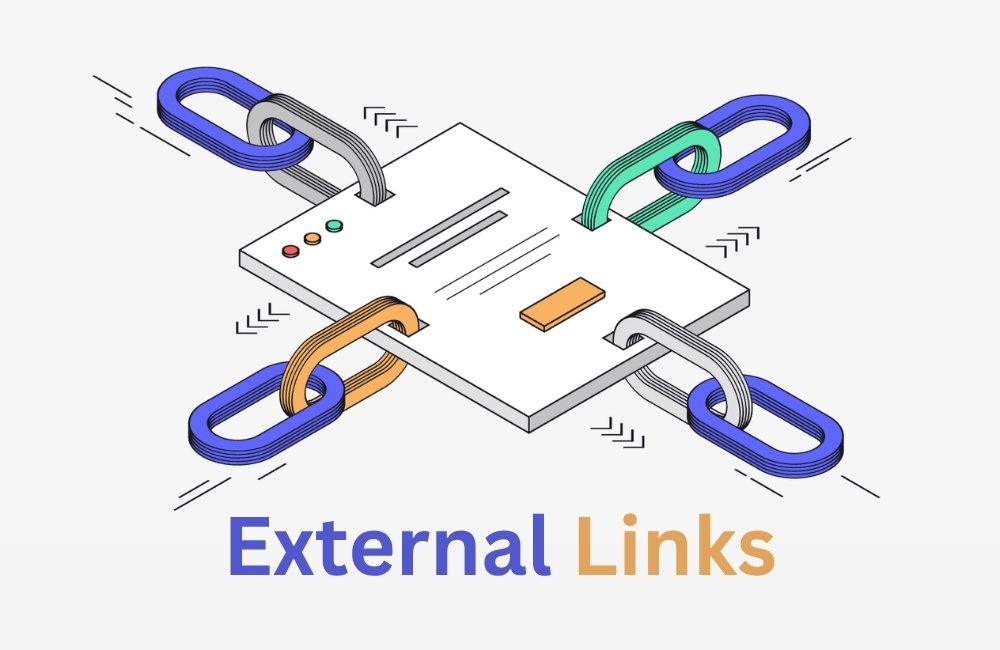
External links serve as bridges between your content and the broader digital landscape, connecting your readers to valuable resources while signaling to search engines that your content provides comprehensive value. When implemented strategically, these outbound connections can significantly enhance your website’s authority, improve user experience, and strengthen your search engine optimization efforts.
Understanding how to leverage external links effectively represents a critical component of successful content marketing and SEO strategy. The difference between random link placement and strategic external linking can determine whether your content establishes credibility or appears scattered and unfocused. Intelligent external linking requires careful consideration of relevance, authority, and user intent.
Smart External Linking
Use Smart External Linking to connect your content with trusted sources. A strong SEO Link Strategy builds credibility and helps search engines rank your site higher.
This comprehensive guide examines proven strategies for incorporating external links that enhance the value of your content while supporting your broader digital marketing objectives. You’ll discover best practices that leading SEO professionals use to maximize the impact of their external linking strategies.
Why External Links Matter for Your Content Strategy
SEO Benefits That Drive Results
External links to high-authority, relevant websites demonstrate to search engines that your content connects users with valuable resources. Search engines interpret well-placed external links as signals of content quality and thoroughness. When you link to authoritative sources, you’re essentially vouching for their credibility while positioning your content within a network of trusted information.
Quality external links can improve your content’s search engine rankings by establishing topical relevance and demonstrating comprehensive coverage of your subject matter. Search algorithms recognize when content provides users with pathways to additional valuable resources, interpreting this behavior as a positive signal of user experience.
The strategic use of external links also supports your content’s expertise, authoritativeness, and trustworthiness (E-A-T) signals. By connecting your content to established authorities in your field, you demonstrate awareness of industry standards and current best practices.
Enhanced User Experience Through Strategic Connections
External links serve your readers by providing immediate access to supporting information, detailed explanations, and additional resources that complement your content. When users can easily access relevant supplementary details without leaving your site’s ecosystem, they experience greater satisfaction and engagement.
Strategic external linking transforms your content from standalone pieces into comprehensive resources that serve as launching points for deeper exploration. This approach positions your website as a valuable hub that curates and connects users with the most relevant information available.
Users appreciate content that acknowledges the broader conversation within your industry and provides pathways to explore different perspectives and additional details. This approach builds trust and encourages more extended engagement with your content.
Best Practices for Strategic External Link Implementation
Prioritizing Relevance and Authority
Smart External Linking
Use Smart External Linking to connect your content with trusted sources. A strong SEO Link Strategy builds credibility and helps search engines rank your site higher.
Every external link should serve a specific purpose within your content strategy. Link only to sources that directly support your points, provide valuable additional information, or offer perspectives that enhance your reader’s understanding. The most effective external links connect to websites and resources that your target audience would find genuinely useful and relevant.
Authority matters significantly when selecting external link destinations. Prioritize linking to established industry publications, recognized experts, academic institutions, government agencies, and well-respected organizations within your field. These connections enhance the credibility of your content while providing users with reliable information sources.
Evaluate potential external link destinations based on their reputation, content quality, and alignment with your brand values. Avoid linking to sources that could undermine your credibility or provide outdated, inaccurate, or low-quality information.
Crafting Effective Anchor Text
Anchor text should clearly describe what users will find when they click your external links. Descriptive anchor text helps users make informed decisions about whether to follow links, while providing search engines with context about the relevance of the linked content.
Avoid using generic anchor text, such as “click here” or “read more.” Instead, use specific phrases that accurately describe the content and value of the linked resource. For example, “latest industry research from [Authority Name]” provides clear expectations about the link destination.
Natural anchor text integration enhances readability while maintaining the content’s flow and coherence. The best anchor text feels seamlessly integrated into your sentences, providing clear value propositions that encourage users to follow the links.
Strategic Link Placement Within Content
Position external links where they provide maximum value to your readers without disrupting the flow of your content. The most effective external links appear when readers would naturally want additional information or supporting evidence for your claims.
Early placement of key external links can establish credibility and context for your entire piece. However, avoid front-loading your content with external links that might encourage users to leave before engaging with your primary content.
Smart External Linking
Use Smart External Linking to connect your content with trusted sources. A strong SEO Link Strategy builds credibility and helps search engines rank your site higher.
Consider placing external links after presenting your main points, using them to provide supporting evidence or additional resources for readers who wish to explore topics more deeply.
Understanding External Link Types and Applications
Nofollow vs. Dofollow Link Strategies
Dofollow links pass authority and ranking power to their destinations, while nofollow links provide user value without transferring SEO benefits. Most external links should remain dofollow unless specific circumstances warrant the implementation of nofollow.
Use nofollow external links when linking to untrusted sources, paid content, or user-generated content that you cannot fully vouch for. Nofollow links enable you to provide resources while preserving your site’s authority and mitigating potential penalty risks.
The majority of your strategic external links should be dofollow connections to high-authority, relevant sources that enhance the credibility of your content and provide genuine value to your readers.
Resource and Citation Link Implementation
Resource links connect users with tools, guides, templates, or additional information that complements your content. These links should direct users to resources that help them implement your recommendations or explore topics in more detail.
Citation links credit sources for data, research, quotes, or ideas that support your content. Proper citation through external links demonstrates ethical content practices while providing users with pathways to verify information and explore source materials.
Both resource and citation links strengthen your content’s authority while providing transparency about your information sources and research methods.
Common External Linking Mistakes to Avoid
Quality Control and Relevance Standards
Linking to low-quality websites, outdated information, or irrelevant sources undermines your content’s credibility and user experience. Establish clear quality standards for external link destinations and regularly audit your links to ensure continued relevance and authority.
Avoid linking to direct competitors unless the connection provides genuine value to your users and supports the objectives of your content. Strategic competitor linking can be effective, but it requires careful consideration of your goals and the needs of your users.
Broken external links can create a poor user experience and signal to search engines that your content lacks maintenance and attention to detail. Regular link auditing and maintenance prevent these issues.
Avoiding External Link Overuse
Excessive external linking can overwhelm users and dilute the focus of your content. Each external link should serve a clear purpose and provide distinct value. Too many external links can make your content appear scattered or suggest that you’re directing users away from your site unnecessarily.
Balance external links with internal links to your relevant content. This approach provides comprehensive resources while encouraging users to explore more of your website’s valuable content.
Essential Tools for External Link Management
Link Tracking and Analysis Solutions
Professional link management tools help you monitor external link performance, identify broken links, and analyze the impact of your external linking strategies. Tools like Ahrefs, SEMrush, and Screaming Frog provide comprehensive link analysis capabilities.
Regular monitoring ensures that your external links continue to provide value while maintaining the quality standards that support the credibility and search engine performance of your content.
Link analysis tools also help you identify opportunities for strategic external linking by revealing successful linking patterns within your industry and competitive landscape.
Maximizing Your External Link Strategy’s Impact
Strategic external linking represents a powerful opportunity to enhance your content’s authority, improve user experience, and strengthen your search engine optimization efforts. The most successful external linking strategies prioritize user value while building connections with authoritative sources that enhance credibility and trust.
Implementation requires consistent attention to quality, relevance, and user intent. Regular auditing and optimization ensure that your external links continue to support your content marketing objectives while providing genuine value to your audience.
Begin implementing these external linking best practices immediately by auditing your existing content, identifying opportunities for strategic external connections, and establishing quality standards for future external link implementation. Your content’s authority and user experience will benefit significantly from these strategic improvements.
Smart External Linking
Use Smart External Linking to connect your content with trusted sources. A strong SEO Link Strategy builds credibility and helps search engines rank your site higher.
Smart External Linking
Use Smart External Linking to connect your content with trusted sources. A strong SEO Link Strategy builds credibility and helps search engines rank your site higher.
