

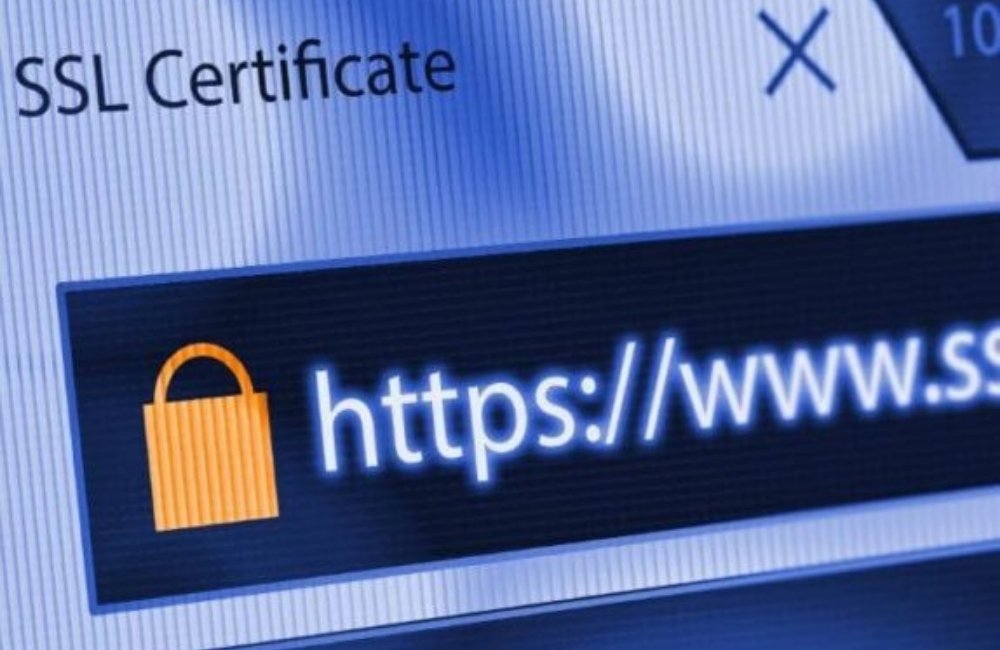
Why Your Website Should Be Secure: HTTPS Matters More Than Ever
Website security has evolved from a luxury to an absolute necessity. HTTPS (Hypertext Transfer Protocol Secure) represents the encrypted version of HTTP, establishing a secure communication channel between web browsers and servers. This security protocol encrypts data transmission, protecting sensitive information from potential cyber threats and malicious actors.
The implementation of HTTPS has become a critical component of modern web development and digital marketing strategies. Major search engines, browsers, and security organizations now consider HTTPS a fundamental requirement rather than an optional enhancement. Understanding the comprehensive benefits of HTTPS enables businesses to make informed decisions about their digital infrastructure and competitive positioning.
Every website owner, regardless of industry or business size, must recognize the multifaceted advantages that HTTPS provides. The protocol delivers measurable improvements across security, search engine optimization, user trust, and overall website performance metrics.
Security Benefits: Protecting User Data from Cyber Threats
HTTPS establishes robust protection mechanisms that safeguard sensitive information during transmission between users and websites. The encryption process transforms readable data into complex coded formats that remain virtually impossible for hackers to decipher without proper authentication credentials.
Data Encryption and Protection
The SSL/TLS certificates that enable HTTPS create encrypted tunnels for data transmission. These certificates utilize advanced cryptographic algorithms to protect user information, including login credentials, personal details, payment information, and browsing behaviors. Without HTTPS, this data travels in plain text format, making it vulnerable to interception and exploitation.
Cybercriminals frequently target websites without proper encryption protocols through man-in-the-middle attacks. These sophisticated attacks involve intercepting communications between users and websites, allowing malicious actors to steal sensitive information or inject harmful content. HTTPS effectively prevents these attacks by verifying server authenticity and encrypting all data exchanges.
Authentication and Integrity Verification
HTTPS certificates provide authentication mechanisms that verify website legitimacy and server identity. Users can confidently confirm they are communicating with the intended website rather than fraudulent replicas designed to steal information. This authentication process significantly reduces the risk of phishing attacks and domain spoofing attempts.
The protocol also ensures data integrity by detecting any unauthorized modifications during transmission. If malicious actors attempt to alter information while it travels between servers and browsers, HTTPS immediately identifies these changes and prevents the compromised data from reaching its destination.
SEO Advantages: Boosting Search Engine Rankings
Search engines have integrated HTTPS as a confirmed ranking factor within their complex algorithms. Google officially announced HTTPS as a ranking signal, demonstrating the search giant’s commitment to promoting secure websites and protecting user privacy across the internet.
Direct Ranking Benefits
Websites with HTTPS certificates receive preferential treatment in search engine results pages compared to their non-secure counterparts. This ranking boost can translate into increased organic visibility, higher click-through rates, and improved overall search performance metrics.
The SEO advantages extend beyond direct ranking improvements. HTTPS enables websites to access advanced browser features and APIs that enhance user experience and functionality. These technical capabilities can indirectly improve search rankings by reducing bounce rates and increasing user engagement metrics.
Browser Security Warnings
Modern web browsers actively warn users when they attempt to visit non-secure websites. These prominent security warnings create negative user experiences that can dramatically impact website traffic, conversion rates, and overall business performance. Chrome, Firefox, Safari, and other major browsers display increasingly aggressive warnings for HTTP websites, particularly those with form fields or login pages.
The browser warnings not only deter potential visitors but also signal to search engines that the website may provide suboptimal user experiences. Search algorithms consider these user behavior signals when determining ranking positions and search visibility.
Trust and Credibility: Building Confidence with Visitors
HTTPS certificates serve as digital trust indicators that communicate professionalism, security awareness, and user protection priorities. The visual security indicators, including padlock icons and “Secure” labels in browser address bars, provide immediate reassurance to website visitors.
Consumer Confidence and Conversion Rates
Research consistently demonstrates that users are more likely to complete transactions, submit forms, and engage with websites that display proper security indicators. E-commerce websites, in particular, experience significant conversion rate improvements after implementing HTTPS certificates.
The trust factor becomes particularly crucial for websites handling sensitive information such as financial data, personal details, or confidential business communications. Users have developed heightened security awareness and actively seek visual confirmation of website security before sharing sensitive information.
Professional Brand Perception
HTTPS implementation reflects an organizational commitment to cybersecurity best practices and user protection. Businesses that prioritize website security demonstrate professionalism and technical competence that can differentiate them from competitors who neglect these critical security measures.
The security certificate also protects brand reputation by preventing potential data breaches and security incidents that could result in negative publicity, legal consequences, and customer trust erosion.
Implementation: Transitioning to HTTPS
Implementing HTTPS requires obtaining SSL/TLS certificates from trusted certificate authorities and configuring web servers to support encrypted connections. The process involves several technical steps but can be accomplished relatively quickly with proper planning and execution.
Certificate Options and Selection
Multiple certificate types are available to accommodate different website needs and budget requirements. Domain Validated (DV) certificates provide basic encryption and are suitable for most websites. Extended Validation (EV) certificates offer enhanced verification processes and display additional trust indicators in browser address bars.
Many hosting providers now offer free SSL certificates through services like Let’s Encrypt, making HTTPS accessible to organizations with limited budgets. These automated certificate services provide reliable encryption while reducing implementation costs and technical complexity.
Technical Configuration and Best Practices
Proper HTTPS implementation involves configuring redirects from HTTP to HTTPS versions, updating internal links, and ensuring all website resources load securely. Mixed content issues can compromise security benefits, so comprehensive auditing ensures all images, scripts, and external resources utilize secure connections.
Website owners should also implement HTTP Strict Transport Security (HSTS) headers to prevent protocol downgrade attacks and force secure connections for returning visitors.
Secure Your Digital Future
HTTPS has transitioned from an optional enhancement to an essential requirement for professional websites. The comprehensive benefits spanning security, SEO, and user trust make HTTPS implementation a strategic investment that delivers measurable returns across multiple business metrics.
Organizations that delay HTTPS adoption risk falling behind competitors, experiencing reduced search visibility, and losing potential customers who prioritize security. The implementation process has become increasingly streamlined and affordable, eliminating previous barriers that may have prevented adoption.
Take immediate action to secure your website with HTTPS certificates. Consult with qualified web developers or hosting providers to begin the implementation process and start realizing the substantial benefits that secure websites provide in our increasingly security-conscious digital landscape.
secure website tips
Keep your site safe with these secure website tips like using strong passwords, updating plugins, and adding firewalls. Use HTTPS for site safety to protect user data and build trust.
