

Quick Guide to Adding Internal Links
Internal linking represents one of the most potent yet underutilized strategies in search engine optimization. When executed correctly, this foundational technique can dramatically enhance your website’s search rankings while simultaneously improving user experience and engagement metrics.
Many website owners focus extensively on acquiring external backlinks while neglecting the strategic opportunities within their content ecosystem. This oversight represents a significant missed opportunity, as internal links provide direct control over how search engines crawl and understand the site’s structure.
This comprehensive guide will equip you with the knowledge and strategies necessary to implement an effective internal linking system that drives measurable results. You’ll discover proven methodologies for optimizing link placement, crafting compelling anchor text, and leveraging specialized tools to maximize your internal linking potential.
What are Internal Links?
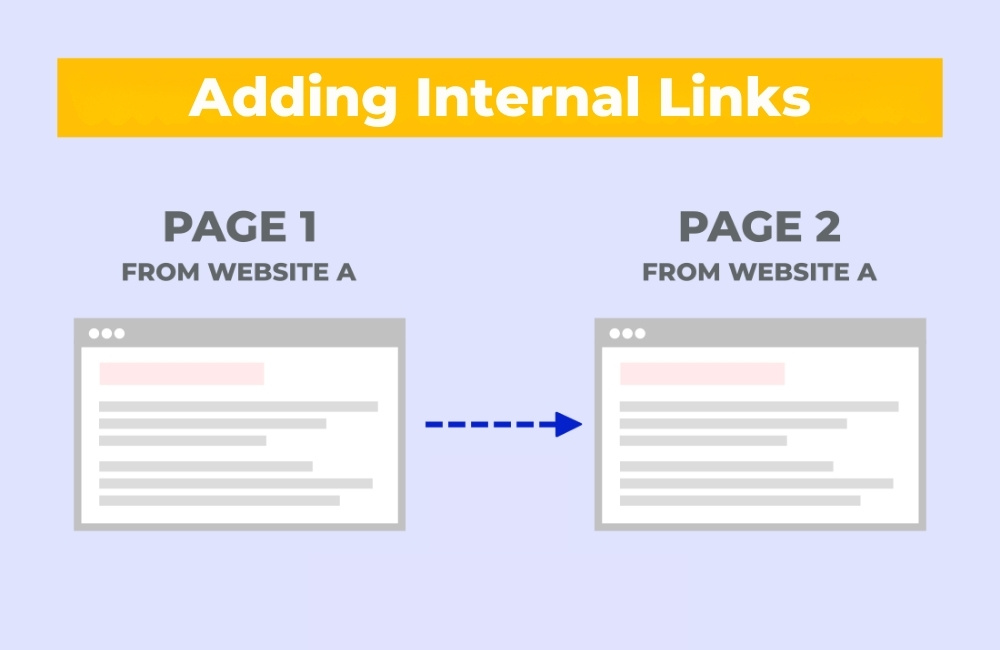
Internal links are hyperlinks that connect one page of your website to another page within the same domain. Unlike external links that direct users to different websites, internal links create pathways that guide visitors through your content ecosystem while helping search engines understand your site’s hierarchy and relationships between pages.
These connections serve as the foundation of your website’s navigation structure, extending beyond traditional menu systems to create a comprehensive web of related content. Every internal link you create establishes a direct pathway for both users and search engine crawlers to discover and access your content.
The strategic implementation of internal links transforms your website from a collection of isolated pages into a cohesive, interconnected resource that maximizes the value of every piece of content you produce.
Benefits of Internal Linking
Enhanced Search Engine Optimization Performance
Internal linking distributes page authority throughout your website, allowing high-performing pages to boost the rankings of related content. This process, known as link equity distribution, ensures that your most valuable pages can elevate the visibility of supporting content that might otherwise struggle to rank independently.
Search engines utilize internal links to understand your content hierarchy and identify which pages deserve the highest priority in search results. Strategic internal linking signals to search algorithms that specific pages represent cornerstone content worthy of enhanced visibility.
Improved User Engagement and Experience
Well-placed internal links guide visitors through logical content journeys, increasing session duration and reducing bounce rates. Users who discover relevant, related content through internal links demonstrate higher engagement levels and a greater likelihood of conversion.
Internal links enable you to create curated content experiences that comprehensively address user needs. By connecting related topics and providing supporting information, you position your website as a definitive resource that offers comprehensive solutions rather than fragmented details.
Increased Page Views and Session Value
Strategic internal linking encourages visitors to explore multiple pages during a single session, directly impacting your site’s overall performance metrics. Each additional page view represents an opportunity to demonstrate expertise, build trust, and guide users toward conversion actions.
The compound effect of increased page views extends beyond immediate engagement metrics, as longer sessions and deeper site exploration signal content quality and relevance to search algorithms.
Best Practices for Effective Internal Linking
Strategic Anchor Text Optimization
Anchor text should provide clear, descriptive information about the destination page’s content while naturally incorporating relevant keywords. Avoid generic phrases like “click here” or “read more” in favor of specific, keyword-rich descriptions that benefit both users and search engines.
Maintain diversity in your anchor text selection to prevent over-optimization penalties while ensuring each link provides genuine value to the user experience. The most effective anchor text strikes a balance between keyword relevance and natural readability.
Optimal Link Placement Strategies
Position internal links within the main content body where they provide the most contextual value to readers. Links embedded within comprehensive, relevant content carry more weight than those placed in sidebars or footer areas.
Create internal links when they genuinely enhance the user’s understanding or provide valuable supplementary information. The most effective internal links feel natural and helpful rather than forced or promotional.
Content Relevance and Context
Link to content that directly supports or expands upon the current topic, ensuring each connection adds genuine value to the user experience. Irrelevant internal links can confuse both users and search engines while diluting the effectiveness of your overall linking strategy.
Prioritize linking to your highest-quality, most comprehensive content pieces that demonstrate expertise and provide significant value to your target audience.
Link Volume and Distribution
Maintain a balanced approach to internal linking that avoids overwhelming users with excessive links while ensuring adequate connectivity throughout your site. Most experts recommend 2-5 internal links per 1,000 words, although this can vary depending on the content type and user needs.
Focus on creating internal links to your most essential pages consistently across relevant content, ensuring these priority pages receive regular link equity from throughout your website.
Tools for Internal Linking Success
WordPress Plugins and Extensions
Several specialized plugins streamline the internal linking process for WordPress websites. Link Whisper automatically suggests relevant internal linking opportunities based on content analysis, while Yoast SEO provides internal linking insights and recommendations within its comprehensive optimization suite.
These tools eliminate much of the manual work involved in identifying linking opportunities while ensuring you don’t miss valuable connections between related content pieces.
SEO Analysis Platforms
Comprehensive SEO platforms, such as Ahrefs, SEMrush, and Screaming Frog, offer detailed internal linking analysis capabilities. These tools identify orphaned pages, analyze link distribution patterns, and highlight opportunities for improved site architecture.
Regular audits using these platforms ensure your internal linking strategy remains optimized as your content library grows and evolves.
Content Management Systems
Modern content management systems often include built-in features that facilitate internal linking. These systems can automatically suggest related content, track link performance, and provide insights into user navigation patterns.
Leverage these native capabilities to maintain consistent internal linking practices across all content creation and optimization efforts.
Maximizing Your Internal Linking Impact
The strategic implementation of internal linking requires ongoing attention and refinement to achieve optimal results. Begin by conducting a comprehensive audit of your existing internal link structure, identifying gaps and opportunities for improvement.
Develop a systematic approach to internal linking that becomes an integral part of your content creation process. Every new piece of content should include strategic internal links while also serving as a destination for links from existing relevant pages.
Monitor your internal linking performance through analytics platforms, tracking metrics such as page views, session duration, and conversion rates to measure the impact of your optimization efforts. This data-driven approach ensures your internal linking strategy continues to deliver measurable results.
The most successful websites treat internal linking as an ongoing strategic priority rather than a one-time optimization task. Consistent attention to internal link development and refinement creates compounding benefits that enhance both search performance and user experience over time.
