

use hreflang tags correctly
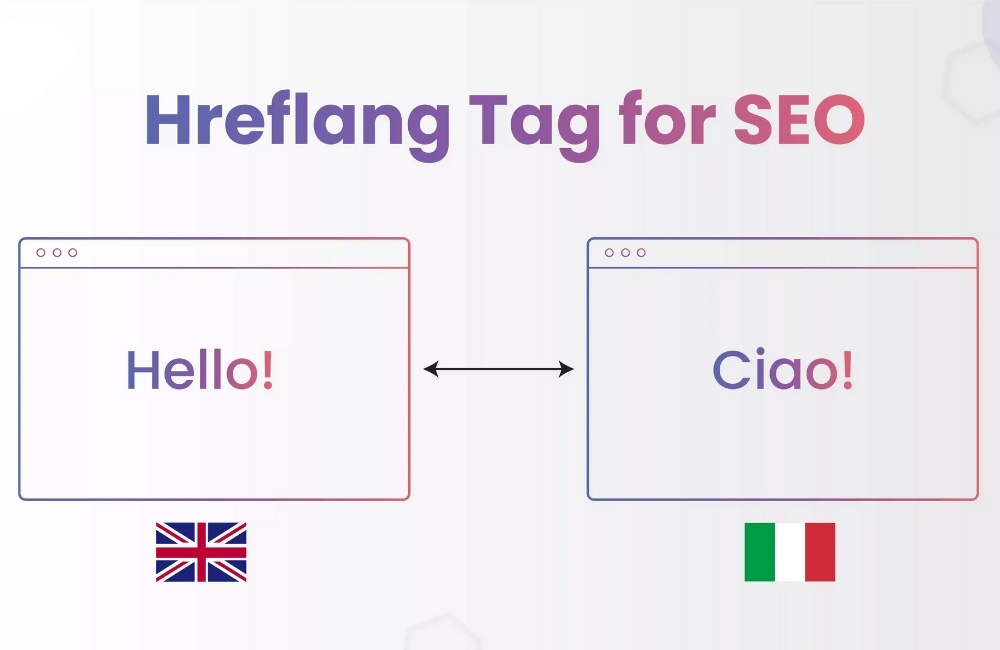
Use hreflang tags correctly to show the right language version of your site to users. This helps with hreflang for international SEO and improves global search rankings.
How to Use hreflang Tags Without Messing It Up
International websites face a critical challenge: ensuring search engines understand which language and regional version of content to serve to users. Hreflang tags provide the solution, but implementing them incorrectly can create significant SEO issues that damage your global search visibility.
Hreflang tags are HTML attributes that tell search engines which language and geographic region a webpage targets. These tags prevent duplicate content issues across international sites and ensure users see the most relevant version of your content based on their location and language preferences. When properly implemented, hreflang tags can dramatically improve your international SEO performance and user experience.
However, hreflang implementation requires precision. A single error can confuse search engines, leading to incorrect page indexing, reduced organic traffic, and poor user experience. This comprehensive guide will walk you through the correct implementation process while highlighting common pitfalls that can derail your international SEO strategy.
Common Hreflang Implementation Mistakes
Missing Return Links
The most frequent hreflang error involves failing to create bidirectional relationships between pages. Each page must reference all other language versions, including itself. If your English page links to your Spanish version, the Spanish page must link back to the English version and reference itself.
Incorrect Language and Region Codes
Many websites use invalid language or country codes in their hreflang attributes. The language portion must follow ISO 639-1 standards, while country codes should adhere to ISO 3166-1 Alpha 2 format. Using “en-uk” instead of “en-gb” for British English or “sp” instead of “es” for Spanish can cause implementation issues.
Mixing Content Languages
A critical error occurs when the hreflang attribute doesn’t match the actual page content language. If your hreflang tag indicates “es-mx” for Mexican Spanish, but the page content remains in English, search engines receive conflicting signals that can harm your rankings.
Inconsistent URL Structures
Hreflang tags must reference the canonical versions of pages. Using non-canonical URLs, redirecting URLs, or inconsistent URL structures across language versions creates confusion and prevents proper implementation.
Step-by-Step Hreflang Implementation Guide
Step 1: Plan Your International Site Structure
Before implementing hreflang tags, establish a clear international site architecture. Determine whether you’ll use subdirectories (example.com/es/), subdomains (es.example.com), or separate domains (example.es) for different language versions. Consistency across your international structure is essential for successful hreflang implementation.
Step 2: Identify Language and Region Targeting
Create a comprehensive list of all language and region combinations your website targets. Use proper ISO codes for each combination. For example:
- en-us for American English
- en-gb for British English
- es-es for Spanish (Spain)
- es-mx for Mexican Spanish
- fr-ca for Canadian French
Step 3: Choose Your Implementation Method
Hreflang tags can be implemented through three methods:
HTML Link Elements: Add hreflang attributes directly to the HTML head section of each page. This method provides the most control but requires manual implementation across all pages.
use hreflang tags correctly
Use hreflang tags correctly to show the right language version of your site to users. This helps with hreflang for international SEO and improves global search rankings.
HTTP Headers: Implement hreflang through HTTP response headers, handy for non-HTML files like PDFs. This method requires server-level configuration.
XML Sitemaps: Include hreflang annotations in your XML sitemap. This centralized approach simplifies management but may take longer for search engines to process.
Step 4: Create Bidirectional References
Every page must include hreflang tags for all language versions, including itself. If you have English, Spanish, and French versions of a page, each version must reference all three languages. This creates the necessary bidirectional relationship search engines require.
Step 5: Implement x-default for Fallback
Include an x-default hreflang tag to specify which version should appear for users whose language preferences don’t match your available options. Typically, this points to your primary language version or a language selector page.
Validation and Testing Tools
Google Search Console
Google Search Console provides comprehensive hreflang error reporting through the International Targeting section. This tool identifies missing return links, incorrect language codes, and other implementation issues directly from Google’s perspective.
Hreflang Tags Generator Tools
Several online tools can generate properly formatted hreflang tags based on your international site structure. These tools help prevent syntax errors and ensure proper formatting across all implementations.
Technical SEO Crawling Tools
Professional SEO platforms like Screaming Frog, Sitebulb, and Ahrefs offer hreflang validation features. These tools crawl your entire website to identify implementation inconsistencies and provide detailed error reports.
Manual Testing Methods
Perform manual testing by changing your browser’s language settings and using VPN services to simulate different geographic locations. This approach helps verify that search engines serve the correct page versions to users.
Best Practices for Long-Term Maintenance
Regular Auditing Schedule
Establish a monthly auditing process to review hreflang implementation across your international sites. As you add new content or modify existing pages, ensure hreflang tags remain accurate and complete.
Documentation and Team Training
Create comprehensive documentation outlining your hreflang implementation standards. Train content teams, developers, and SEO professionals on proper implementation procedures to prevent errors during site updates.
Track organic search performance across all international markets using Google Search Console and analytics platforms. Monitor for sudden traffic drops or ranking changes that might indicate hreflang issues.
Content Synchronization
Maintain consistency between language versions when updating content. If you modify the English version of a page, ensure corresponding updates occur across all language variants to prevent content drift.
Maximizing Your International SEO Success
Proper hreflang implementation forms the foundation of successful international SEO strategies. When executed correctly, these tags eliminate duplicate content concerns, improve user experience, and enhance your website’s visibility across global markets.
The key to hreflang success lies in meticulous planning, precise implementation, and ongoing maintenance. Start with a comprehensive audit of your current international site structure, implement hreflang tags systematically across all language versions, and establish regular monitoring procedures to catch issues before they impact your search performance.
Remember that hreflang implementation is not a one-time task but an ongoing process that requires attention as your international presence grows. By following these proven strategies and avoiding common pitfalls, you’ll create a robust international SEO foundation that drives qualified traffic from your target markets worldwide.
use hreflang tags correctly
Use hreflang tags correctly to show the right language version of your site to users. This helps with hreflang for international SEO and improves global search rankings.
