

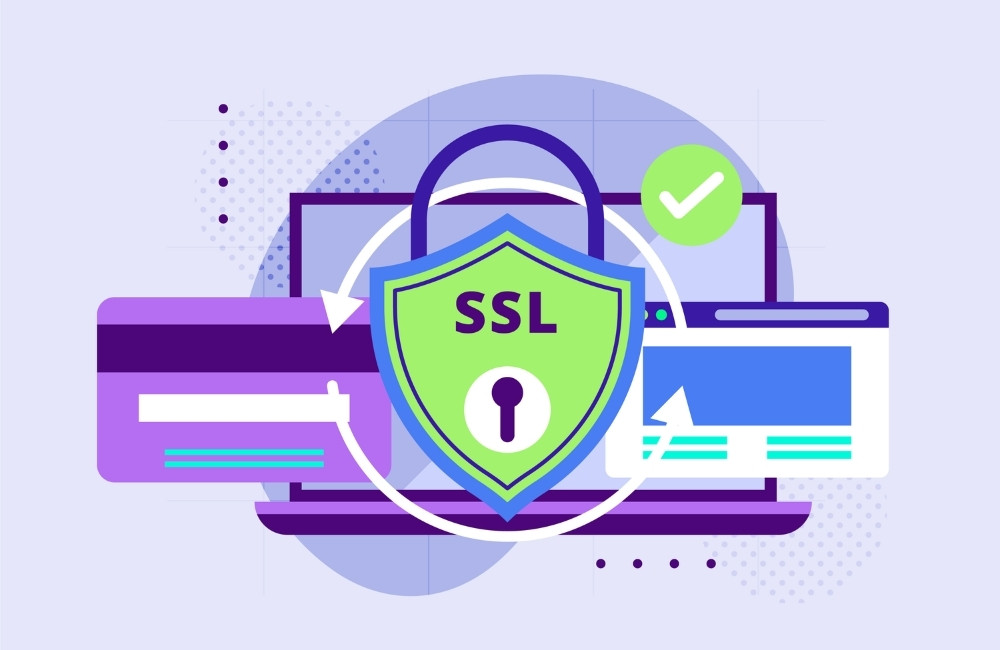
How SSL Encryption Shields Your Personal Data Online
Every time you enter your credit card details, log into your bank account, or share personal information online, you place trust in digital systems to protect your data. SSL encryption serves as the foundation of this protection, creating secure pathways for your sensitive information to travel across the internet.
Understanding how SSL works and why it matters can help you make informed decisions about your online security. This technology doesn’t just protect individual users—it has also transformed website performance and user experience across the web.
The Basics of SSL: How SSL Encryption Works
SSL, which stands for Secure Sockets Layer, creates an encrypted connection between your web browser and the website’s server. When you visit a website that uses SSL, your browser and the server perform what’s called a “handshake” to establish this secure connection.
Here’s how the SSL encryption process unfolds:
Certificate Verification: Your browser first checks the website’s SSL certificate to confirm the site’s identity. This certificate acts like a digital passport, verifying that you’re connecting to the legitimate website and not an impostor.
Key Exchange: Once verified, your browser and the server agree on an encryption method and exchange cryptographic keys. These keys serve as the foundation for scrambling your data.
Encrypted Communication: All data transmitted between your browser and the server gets encrypted using these keys. Even if someone intercepts your information, they would see only scrambled, unreadable text.
You can easily identify SSL-protected websites by looking for “https://” at the beginning of the web address instead of “http://”. Most browsers also display a padlock icon in the address bar when SSL encryption is active.
SSL and Data Protection: Your Digital Shield
SSL encryption transforms your data into an unreadable format that cybercriminals cannot decipher. This protection extends to various types of sensitive information you share online.
Financial Information Security: When you make online purchases or access banking websites, SSL encryption protects your credit card numbers, bank account details, and transaction records. Without this protection, hackers could easily capture and misuse your financial data.
Personal Identity Protection: SSL safeguards personal details such as your name, address, Social Security number, and phone number. This protection prevents identity thieves from stealing information they could use to open fraudulent accounts or commit other crimes.
Login Credentials: Your usernames and passwords receive protection through SSL encryption, preventing unauthorized access to your online accounts. This security measure is particularly crucial for email accounts, social media profiles, and work-related platforms.
Private Communications: SSL encryption protects your private messages, emails, and other communications from being intercepted and read by unauthorized parties. This ensures your conversations remain confidential.
The strength of SSL data protection depends on the encryption level used. Modern SSL certificates typically use 256-bit encryption, which would take billions of years for current computers to crack through brute force methods.
HTTPS and Website Speed: Breaking Performance Myths
Many website owners once believed that implementing SSL encryption would slow down their sites. However, modern SSL certificates and HTTPS actually contribute to improved website performance in several ways.
Browser Trust and Loading Priority: Browsers treat HTTPS websites as more trustworthy and may prioritize loading their content. This preferential treatment can result in faster page load times for users.
Reduced Security Warnings: Websites without SSL certificates often trigger browser security warnings that can delay page loading and create poor user experiences. HTTPS eliminates these interruptions, allowing pages to load smoothly.
Search Engine Optimization Benefits: Google considers HTTPS a ranking factor in search results. Websites with SSL certificates may appear higher in search rankings, leading to increased visibility and traffic.
The performance impact of SSL has become negligible due to improvements in server hardware and SSL certificate technology. Most users cannot detect any speed difference between HTTP and HTTPS websites, while they benefit from significantly enhanced security.
HTTP/2 Protocol: Enhancing Performance Through Security
The HTTP/2 protocol represents a major advancement in web communication that works exclusively with HTTPS connections. This requirement means that websites must implement SSL encryption to take advantage of HTTP/2’s performance benefits.
Multiplexing Capabilities: HTTP/2 allows multiple requests to be processed simultaneously over a single connection, reducing the time needed to load web pages with multiple elements like images, stylesheets, and scripts.
Header Compression: The protocol compresses header information, reducing the amount of data that needs to be transmitted between browsers and servers. This compression results in faster loading times, especially for websites with many resources.
Server Push Technology: HTTP/2 enables servers to send additional resources to browsers before they’re explicitly requested. This proactive approach can significantly improve page load speeds.
Prioritization Features: The protocol allows for intelligent prioritization of resources, ensuring that critical page elements load first while less important content loads in the background.
These HTTP/2 enhancements demonstrate how SSL encryption and HTTPS speed improvements go hand in hand. Websites that implement SSL certificates gain access to cutting-edge performance technologies that benefit both security and user experience.
Your Next Steps for Digital Security
SSL encryption provides essential protection for your data while simultaneously improving website performance and user experience. The technology has evolved from a security necessity to a comprehensive solution that addresses both protection and speed concerns.
When browsing online, always look for the padlock icon and “https://” in website addresses before sharing sensitive information. If you manage a website, implementing an SSL certificate protects your users while improving your search engine rankings and site performance.
The integration of SSL encryption with modern protocols like HTTP/2 proves that security and speed are no longer competing priorities. Instead, they work together to create a safer, faster internet experience for everyone.
Taking these security measures seriously helps protect not only your data but also contributes to a more secure online environment for all users. Your vigilance and informed choices make the internet a safer place for digital commerce, communication, and information sharing.
SSL data protection
SSL data protection keeps your website safe by encrypting information. It helps secure personal info like passwords and payment details, building trust with your visitors.
