

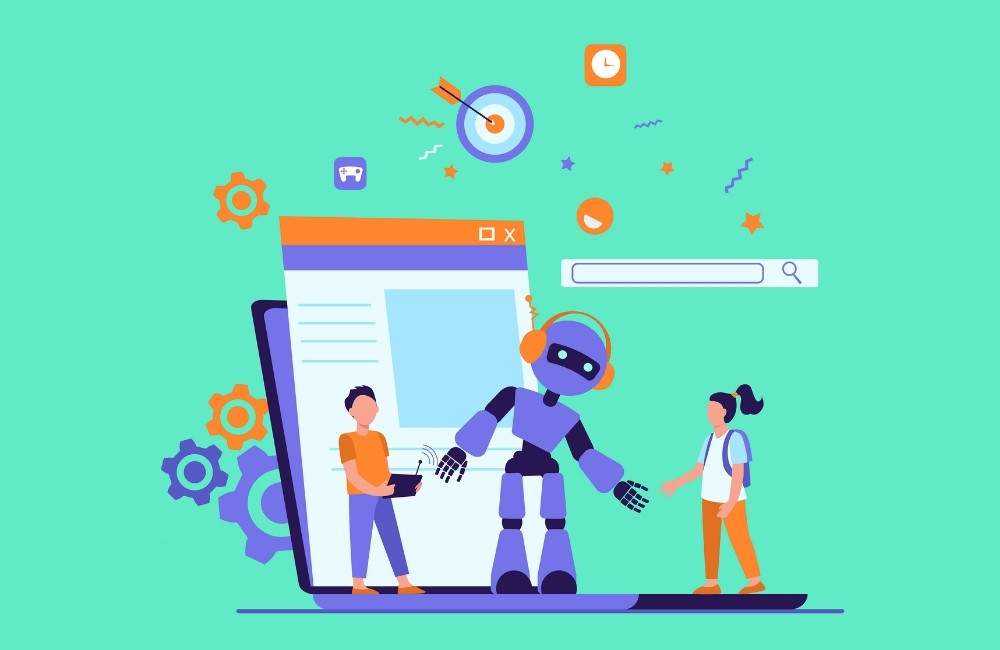
How AI and Ads Work Together Now
The digital marketing landscape has undergone a fundamental transformation. Where marketers once relied on intuition and broad demographic data, they now harness artificial intelligence to predict consumer behavior with remarkable precision. This shift represents more than just technological advancement—it signals a complete reimagining of how brands connect with their audiences.
AI powered ads
AI powered ads use smart technology to show the right message to the right people. With smart ad targeting, your ads reach users who are most likely to click, helping you save money and get better results.
AI marketing has evolved from a futuristic concept to an essential component of successful digital advertising strategies. Machine learning algorithms now analyze vast datasets to identify patterns human marketers might miss, while automated systems optimize campaigns in real-time across multiple channels. The result is more personalized, efficient, and effective marketing that drives measurable results.
Understanding how AI integrates with digital advertising becomes crucial for businesses aiming to stay competitive. From email optimization to viral content creation, artificial intelligence is reshaping every aspect of digital marketing strategy.
AI in Digital Marketing: The New Foundation
Digital marketing has embraced AI across multiple touchpoints, creating sophisticated systems that learn and adapt continuously. These intelligent platforms analyze user behavior, predict preferences, and automate decision-making processes that once required hours of manual work.
Machine learning algorithms process enormous amounts of data—click patterns, browsing history, purchase behavior, and demographic information—to create detailed customer profiles. These profiles enable marketers to segment audiences with unprecedented accuracy and deliver personalized experiences at scale.
The impact extends beyond simple automation. AI-powered tools now handle complex tasks like dynamic pricing, content optimization, and predictive analytics. They identify which marketing messages resonate with specific audience segments and automatically adjust campaigns based on performance metrics.
Smart bidding strategies in digital advertising platforms use AI to optimize ad spend across channels. These systems analyze millions of auction signals in real-time, adjusting bids to maximize return on investment while maintaining campaign objectives.
Email Marketing: Where AI Delivers Maximum Impact
Email optimization has become one of the most successful applications of AI in digital marketing. Advanced algorithms analyze subscriber behavior to determine optimal send times, subject line variations, and content personalization strategies.
AI powered ads
AI powered ads use smart technology to show the right message to the right people. With smart ad targeting, your ads reach users who are most likely to click, helping you save money and get better results.
AI email systems track individual engagement patterns—when subscribers typically open emails, which content types generate clicks, and how frequently they prefer to receive messages. This granular data enables marketers to create highly targeted campaigns that feel personally crafted for each recipient.
Predictive analytics help identify subscribers at risk of churning before they disengage completely. AI systems detect subtle changes in engagement patterns and trigger automated re-engagement campaigns designed to win back inactive subscribers.
Dynamic content generation represents another breakthrough in email marketing. AI tools can create personalized product recommendations, customize imagery based on past purchases, and even generate subject lines optimized for individual preferences.
A/B testing has evolved beyond simple split tests. AI-powered systems can run multivariate tests across dozens of variables simultaneously, identifying winning combinations much faster than traditional methods. These systems continuously optimize email elements—from send times to call-to-action buttons—ensuring peak performance.
TikTok Marketing: Creating Viral Brands with AI Insights
TikTok’s algorithm-driven platform presents unique opportunities for AI-enhanced marketing strategies. Understanding how the platform’s recommendation system works allows marketers to create content that aligns with viral potential.
AI tools analyze trending hashtags, popular audio clips, and engagement patterns to identify content opportunities. These insights help brands create videos that tap into emerging trends while maintaining brand authenticity.
Content creation has been revolutionized by AI-powered editing tools that optimize video length, pacing, and visual elements based on platform-specific performance data. These systems can suggest optimal posting times, recommend trending sounds, and even propose video concepts based on successful competitor content.
Influencer identification becomes more strategic with AI analysis. Instead of relying on follower counts alone, intelligent systems evaluate engagement rates, audience authenticity, and brand alignment to identify creators who can deliver genuine impact.
User-generated content campaigns benefit from AI monitoring systems that track brand mentions, analyze sentiment, and identify high-performing content for amplification. This approach helps brands scale their TikTok presence while maintaining community engagement.
AI and Digital Strategy: The Complete Integration
Modern digital advertising strategies integrate AI across all channels to create cohesive, data-driven campaigns. Cross-platform analytics provide unified customer journeys that reveal how users interact with brands across touchpoints.
Attribution modeling has become more sophisticated with AI systems that track complex customer paths. These models identify which marketing efforts contribute most to conversions, enabling better budget allocation and strategy refinement.
Chatbots and conversational AI enhance customer service while gathering valuable data about customer preferences and pain points. This information feeds back into marketing strategies, creating a continuous improvement cycle.
Programmatic advertising leverages AI to purchase ad inventory automatically, optimizing placements based on real-time performance data. These systems can adjust targeting parameters, creative elements, and bid strategies within milliseconds of campaign launch.
Content marketing strategies benefit from AI-powered topic research, SEO optimization, and performance analysis. Intelligent systems identify content gaps, suggest relevant topics, and predict which pieces will resonate with target audiences.
Measuring AI Marketing Success
Successful AI marketing implementation requires robust measurement frameworks that track both immediate performance and long-term strategic goals. Key performance indicators extend beyond traditional metrics to include data quality, automation efficiency, and predictive accuracy.
Campaign performance improves when AI systems have access to clean, comprehensive data. Marketers must invest in data hygiene practices and integration systems that provide AI algorithms with reliable information for decision-making.
Testing methodologies have evolved to accommodate AI-driven optimization. Rather than running single A/B tests, marketers now implement continuous testing frameworks that allow AI systems to make ongoing improvements based on performance data.
The Future of AI-Powered Advertising
AI marketing continues evolving rapidly, with new capabilities emerging regularly. Voice search optimization, augmented reality experiences, and predictive customer lifetime value modeling represent just a few areas where artificial intelligence will expand marketing possibilities.
Success in this AI-driven landscape requires marketers to balance technological capabilities with human creativity and strategic thinking. While AI excels at data analysis and process optimization, human insight remains essential for brand storytelling, creative direction, and strategic planning.
The most effective digital advertising strategies combine AI’s analytical power with human intuition and creativity. This partnership enables brands to scale personalized experiences while maintaining authentic connections with their audiences.
Embracing AI marketing tools and strategies has become essential for competitive advantage. Brands that successfully integrate artificial intelligence into their digital advertising efforts will be better positioned to engage customers, optimize performance, and drive sustainable growth in an increasingly complex marketing landscape.
AI powered ads
AI powered ads use smart technology to show the right message to the right people. With smart ad targeting, your ads reach users who are most likely to click, helping you save money and get better results.
