

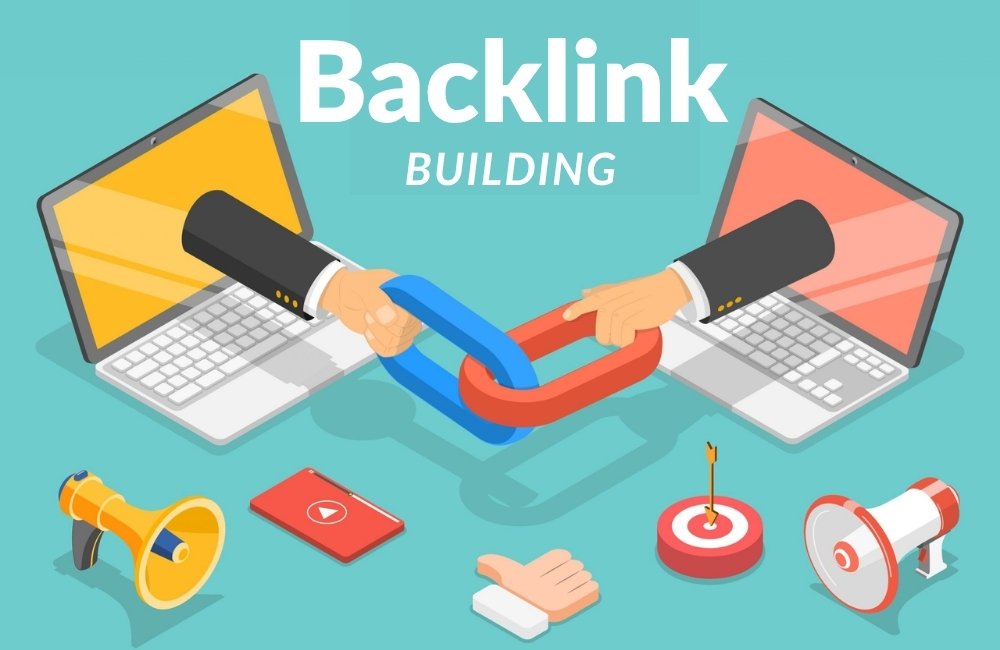
Building quality backlinks remains one of the most challenging aspects of search engine optimization, yet it’s essential for achieving sustainable organic growth. Many businesses struggle with backlink acquisition because they approach it with outdated tactics or prioritize quantity over quality. The reality is that successful backlink building requires strategic thinking, consistent effort, and a focus on creating genuine value for your target audience.
Effective backlink strategies don’t have to involve complicated schemes or risky practices that could potentially harm your website’s search rankings. Instead, the most successful approach centers on building authentic relationships, creating exceptional content, and establishing your brand as a trusted authority within your industry. This comprehensive guide will walk you through proven methods for acquiring high-quality backlinks through ethical, sustainable practices that deliver long-term results.
Understanding Backlinks: The Foundation of SEO Success
Backlinks serve as digital endorsements from other websites, signaling to search engines that your content provides value and credibility. When reputable sites link to your pages, search algorithms interpret these connections as votes of confidence, which can significantly improve your search rankings and organic visibility.
What Makes Backlinks Valuable
High-quality backlinks share several key characteristics that distinguish them from low-value links. Authority represents the most crucial factor—links from established, reputable websites in your industry carry substantially more weight than those from unknown or questionable sources. Relevance also plays a critical role, as links from sites that share topical alignment with your content demonstrate contextual value to search engines.
The anchor text used in backlinks provides additional context about the subject matter of your content. Natural, descriptive anchor text that accurately reflects your page’s content performs better than generic phrases or over-optimized keyword stuffing. Additionally, the placement of links within content matters significantly—links embedded naturally within relevant editorial content typically provide more value than those relegated to sidebars or footer sections.
Recognizing Low-Quality Link Patterns
Understanding what constitutes poor-quality backlinks helps you avoid practices that could damage your search performance. Links from spam directories, low-authority blog networks, or irrelevant websites offer minimal value and may harm your search engine rankings. Similarly, excessive reciprocal linking arrangements or paid link schemes violate search engine guidelines and risk penalties.
Ethical Backlink Building Strategies That Deliver Results
Creating High-Quality, Shareable Content
Content creation forms the cornerstone of any successful backlink strategy. Exceptional content naturally attracts links because it provides genuine value to readers and serves as a reliable resource that other creators want to reference. Focus on developing comprehensive guides, original research, industry insights, or innovative tools that address specific problems within your niche.
Data-driven content performs exceptionally well in terms of link acquisition. Original surveys, industry reports, or statistical analyses provide unique insights that journalists, bloggers, and researchers frequently cite in their work. Visual content, such as infographics, interactive tools, or comprehensive data visualizations, also tends to generate significant link interest due to its shareability and utility.
Strategic Guest Blogging Opportunities
Guest blogging remains an effective method for building backlinks when executed properly. Rather than pursuing any available opportunity, focus on identifying reputable publications that serve your target audience and maintain high editorial standards. Research their content guidelines, audience demographics, and typical engagement levels before pitching your ideas.
Successful guest blogging requires providing genuine value to the host publication’s audience rather than simply promoting your services. Develop unique, actionable content that showcases your expertise while addressing topics relevant to your readership. This approach builds credibility with both the publication and its audience, often leading to additional opportunities and relationship development.
Leveraging social media for Content Amplification
Social media platforms offer powerful distribution channels for your content, enhancing visibility and increasing the likelihood of earning organic backlinks. Share your content across relevant platforms where your target audience is actively present, but avoid simply broadcasting links without engaging with them.
Participate in industry discussions, share insights from your content, and engage meaningfully with other professionals in your field. This approach helps build relationships that often translate into link opportunities as your network grows and recognizes your expertise.
Building Authentic Industry Relationships
Relationship building represents perhaps the most sustainable approach to long-term backlink success. Engage genuinely with other professionals, industry publications, and thought leaders within your space. Attend virtual conferences, participate in webinars, or contribute to industry forums where meaningful connections can develop naturally.
These relationships often yield the most valuable backlinks because they stem from authentic professional connections rather than transactional exchanges. When industry peers know and trust your expertise, they’re more likely to reference your content or invite collaboration opportunities.
Avoiding Risky Backlink Practices
Identifying Black-Hat SEO Tactics
Certain backlink practices can severely damage your search performance and should be avoided entirely. Link farms, private blog networks, and paid link schemes may promise quick results but frequently result in search engine penalties that can devastate your organic visibility.
Excessive keyword-stuffed anchor text, reciprocal link exchanges, and low-quality directory submissions also fall into this category. These tactics may have been effective in the past, but modern search algorithms can easily identify and penalize such manipulative practices.
Monitoring Your Backlink Profile
Regular backlink monitoring helps you maintain a healthy link profile and identify potential issues before they impact your rankings. Utilize professional SEO tools to monitor new backlinks, assess their quality, and detect any suspicious or potentially harmful links that point to your site.
If you discover low-quality or spam links, consider using search engine disavow tools to prevent them from negatively affecting your rankings. However, use this tool judiciously, as incorrectly disavowing legitimate links can harm your performance.
Essential Tools for Backlink Management
Professional backlink analysis tools provide crucial insights into your link profile and competitive landscape. Platforms like Ahrefs, SEMrush, and Moz offer comprehensive backlink databases that help you identify link opportunities, monitor your progress, and analyze competitor strategies.
These tools enable you to track metrics such as domain authority, referring domains, anchor text distribution, and link growth over time. Use this data to refine your strategy, identify successful tactics, and pinpoint potential issues that require attention.
Google Search Console provides free backlink data directly from Google, offering insights into how the search engine views your link profile. While less comprehensive than paid tools, it provides valuable baseline information about your most essential backlinks and any manual penalties affecting your site.
Building Sustainable Link Acquisition Systems
Successful backlink building requires consistent effort rather than sporadic campaigns. Develop systematic approaches for content creation, relationship building, and opportunity identification that can be maintained over time. This might include regular publication schedules, ongoing outreach programs, or systematic competitor analysis.
Track your results meticulously to identify which strategies generate the best return on investment. This data helps you allocate resources more effectively and scale successful tactics while eliminating ineffective approaches.
Consider creating valuable resources that naturally attract ongoing links over time. Industry tools, comprehensive guides, or regular research reports can serve as link magnets that continue generating backlinks long after their initial publication.
Mastering Stress-Free Backlink Success
Building high-quality backlinks doesn’t require stressful tactics or risky shortcuts that could jeopardize your search performance. The most effective approach focuses on creating exceptional content, building authentic industry relationships, and consistently providing value to your target audience.
Success in backlink building stems from patience, persistence, and a commitment to ethical practices that align with search engine guidelines. By implementing these proven strategies systematically, you can develop a robust backlink profile that supports sustainable organic growth while establishing your brand as a trusted authority within your industry.
Remember that quality consistently outperforms quantity in backlink building. Focus your efforts on acquiring fewer, higher-quality links rather than pursuing numerous low-value opportunities that provide minimal benefit to your search performance.
c
