

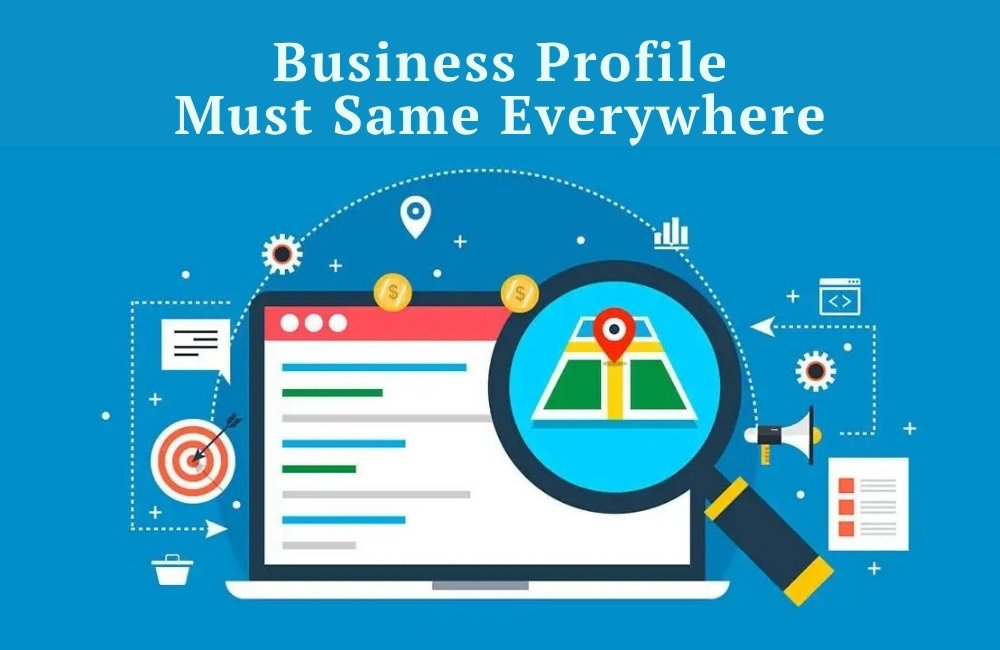
Consistent business info matters
Consistent business info matters across all websites and listings. When customers see the same info, it boosts trust and helps your business look reliable.
Why Your Business Info Must Be the Same Everywhere
Business owners invest countless hours building their brand, crafting marketing messages, and establishing their market presence. Yet many unknowingly undermine these efforts through one critical oversight: inconsistent business information across digital platforms. This seemingly minor detail can significantly impact search engine rankings, customer trust, and overall business credibility.
When your business name, address, phone number, or website URL varies across different online directories, social media platforms, and review sites, it creates confusion for both search engines and potential customers. Search algorithms rely on consistent data to verify business legitimacy and determine local search rankings. Meanwhile, customers encountering conflicting information may question your professionalism or, worse, abandon their purchase entirely.
The digital landscape demands precision. Your business information serves as the foundation for online visibility, local SEO performance, and customer acquisition. Maintaining consistency across all platforms isn’t just recommended—it’s essential for sustainable business growth and competitive advantage.
Why Consistency Matters
Enhanced Search Engine Optimization Performance
Search engines, notably Google, use business information consistency as a ranking factor for local search results. When your Name, Address, and Phone number (NAP) data matches across multiple authoritative sources, it signals to search algorithms that your business is legitimate and trustworthy. This consistency directly influences your position in local search results and Google My Business listings.
Inconsistent information creates what SEO professionals call “citation confusion.” Search engines struggle to determine which version of your business information is accurate, potentially diluting your local search authority. Businesses with consistent NAP data across platforms typically experience improved local search rankings, increased visibility in map results, and higher click-through rates from search engine results pages.
Improved Customer Trust and Credibility
Professional consistency demonstrates attention to detail and business reliability. When customers encounter identical business information across multiple touchpoints—from your website to social media profiles to directory listings—it reinforces your brand’s legitimacy and professionalism.
Conversely, inconsistent information raises red flags. Customers may question whether they’re contacting the correct business, worry about outdated contact details, or perceive the inconsistencies as signs of poor management. These concerns can immediately impact conversion rates and customer acquisition efforts.
Streamlined Customer Communication
Consistent business information eliminates confusion in customer communications. When your phone number, address, and website URL remain identical across all platforms, customers can confidently contact or visit your business without second-guessing the accuracy of the information they’ve found.
This consistency becomes particularly crucial during high-intent moments when customers are ready to make purchasing decisions. Any uncertainty about contact information can derail the conversion process and send potential customers to competitors with clearer, more consistent business profiles.
Typical Inconsistencies That Damage Your Business
Business Name Variations
Many businesses inadvertently create multiple versions of their business name across different platforms. Common variations include using abbreviations on some sites while spelling out the full name on others, inconsistent capitalization, or including different descriptive elements.
For example, a business might appear as “Smith Marketing Solutions LLC” on their Google My Business profile, “Smith Marketing Solutions” on their Facebook page, and “SMS Marketing” on industry directories. These variations confuse search engines and weaken brand recognition.
Address Formatting Discrepancies
Address inconsistencies often stem from different formatting conventions across platforms. Some listings might use “Street,” while others use “St.” Some include suite numbers, while others omit them, and variations in formatting, such as “123 Main Street” versus “123 Main St., Suite 100,” create citation discrepancies.
Geographic inconsistencies also occur when businesses list different versions of their location, particularly for companies operating in areas with complex municipal boundaries or multiple service areas.
Phone Number Format Variations
Phone numbers frequently appear in multiple formats across digital platforms: (555) 123-4567, 555-123-4567, 555.123.4567, or +1-555-123-4567. While these represent the same number, search engines and directory systems may interpret them as different contact methods, which can weaken your citation consistency.
Businesses with multiple phone numbers face additional challenges when different platforms display different numbers without a clear indication of their specific purposes (main line, customer service, sales, etc.).
Website URL Inconsistencies
Website URL variations create significant problems for both search engines and customers. Common issues include inconsistent use of “www” versus non-www versions, HTTP versus HTTPS protocols, and different landing pages across platforms.
Some businesses link to their homepage from certain profiles while directing traffic to specific service pages from others, creating fragmented user experiences and diluted link authority.
How to Ensure Consistency
Conduct a Comprehensive Business Listing Audit
Begin by creating a master spreadsheet documenting your current business information across all online platforms. Include major directories like Google My Business, Yelp, Facebook, Better Business Bureau, and industry-specific platforms relevant to your business sector.
Record the exact business name, complete address, phone number, website URL, and business description from each platform. This audit reveals the scope of inconsistencies and provides a baseline for correction efforts.
Establish Standard Business Information Formats
Create definitive versions of all business information elements. Choose one format for your business name and use it consistently across all platforms. Standardize your address format, including consistent abbreviations and suite number placement.
Consistent business info matters
Consistent business info matters across all websites and listings. When customers see the same info, it boosts trust and helps your business look reliable.
Select a single phone number format and apply it universally. Determine whether your website URLs will include “www” and ensure all listings direct to the same primary domain with consistent HTTPS protocols.
Prioritize High-Authority Platforms
Focus initial correction efforts on high-authority platforms that significantly impact search engine rankings and customer discovery. Google My Business should be your primary priority, followed by major directories like Yelp, Facebook, Apple Maps, and Bing Places.
Industry-specific directories and local business associations often carry substantial weight in local search algorithms. Identify the most influential platforms in your sector and ensure these listings receive immediate attention.
Implement Systematic Updates
Update business information systematically rather than randomly. Begin with your most critical platforms and work through your comprehensive list methodically. Document each update to track progress and ensure no platforms are overlooked.
Many platforms require verification processes for business information changes. Allow adequate time for these verification procedures and monitor your email for confirmation requests from various directory services.
Tools and Resources for Managing Online Listings
Professional Listing Management Services
Several professional services specialize in managing business listings across multiple platforms simultaneously. Tools like BrightLocal, Whitespark, and Moz Local can distribute consistent business information to dozens of directories while monitoring for unauthorized changes.
These services typically offer ongoing monitoring capabilities, alerting you when inconsistencies appear or when new listings are created without your knowledge. The investment in professional management often pays for itself through improved search rankings and reduced manual maintenance time.
Free Monitoring and Management Tools
Google My Business provides free tools for managing your primary business listing and monitoring customer interactions. The platform offers insights into search performance and customer behavior while allowing direct management of your most critical business information.
Social media platforms like Facebook and LinkedIn offer business management tools that help maintain consistent information across their networks. Regular monitoring of these free tools can prevent inconsistencies from developing over time.
Local SEO Audit Tools
Comprehensive SEO audit tools can identify citation inconsistencies as part of broader website and local search optimization analysis. These tools often reveal business listing opportunities you might not have discovered independently while highlighting critical inconsistencies that require immediate attention.
Regular use of local SEO audit tools helps maintain long-term consistency and identifies new platforms where your business information should appear to maximize local search visibility.
Building a Foundation for Digital Success
Consistent business information across all online platforms creates the foundation for effective digital marketing, improved search engine rankings, and streamlined customer communications. The initial effort required to audit and standardize your business listings pays dividends through enhanced credibility, increased visibility, and improved customer conversion rates.
Take immediate action by conducting a comprehensive audit of your current business listings. Identify inconsistencies, establish standard formats for all business information elements, and systematically update your most critical platforms. Consider investing in professional listing management tools to maintain long-term consistency and monitor for unauthorized changes.
Your business information consistency directly impacts your competitive position in local search results and customer perceptions of your brand. Make this foundational element a priority, and build your digital marketing success on the solid ground of accurate, consistent business information across every platform where your business appears.
Consistent business info matters
Consistent business info matters across all websites and listings. When customers see the same info, it boosts trust and helps your business look reliable.
