

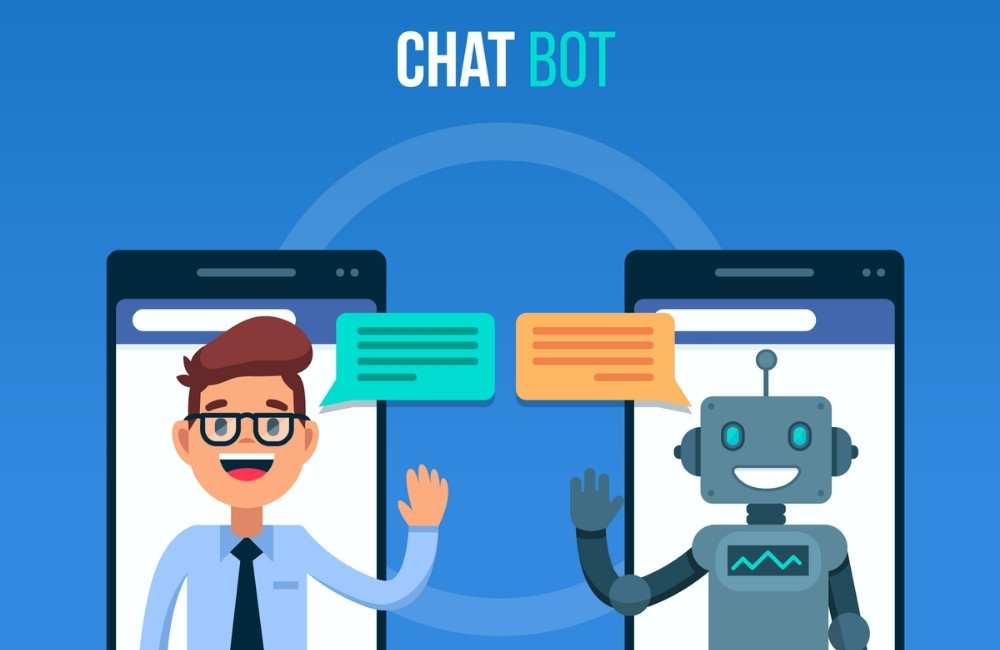
human like chatbots
Human like chatbots talk naturally and understand real questions. Realistic AI assistants help with tasks, support, and chat just like talking
human like chatbots
Chatbots That Feel Like Real People Now
The customer service landscape has transformed dramatically over the past decade. What began as simple rule-based systems that could barely handle basic queries has evolved into sophisticated conversational AI that can engage users in meaningful dialogue. These human-like chatbots represent a significant leap in digital marketing technology, offering businesses unprecedented opportunities to connect with their customers on a more personal level.
Modern chatbots no longer rely on rigid scripts or predefined responses. Instead, they leverage advanced natural language processing (NLP) and machine learning algorithms to understand context, interpret emotions, and respond with genuine empathy. This evolution has created conversational experiences that feel surprisingly natural, often leaving users uncertain whether they’re speaking with a human or an AI.
The implications for businesses are profound. Companies implementing these sophisticated chatbots report higher customer satisfaction rates, increased engagement levels, and more efficient resolution of customer inquiries. As we explore this technological advancement, we’ll examine what makes these chatbots feel authentically human and how organizations can harness their potential.
Why Human-Like Chatbots Matter for Modern Businesses
The shift toward human-like chatbots stems from fundamental changes in consumer expectations. Customers now demand immediate responses, personalized interactions, and seamless experiences across all touchpoints. Traditional customer service models often fall short of these expectations, creating gaps that conversational AI can effectively bridge.
Human-like chatbots excel at creating emotional connections with users. They can detect frustration in a customer’s message and respond with appropriate empathy, or recognize excitement and mirror that enthusiasm. This emotional intelligence transforms routine interactions into meaningful conversations that build brand loyalty and trust.
From a business perspective, these advanced chatbots provide consistent service quality regardless of time or day. They never experience fatigue, mood swings, or off days that might affect human representatives. This reliability ensures that every customer receives the same high level of service, contributing to overall brand reputation and customer satisfaction.
The scalability factor cannot be overlooked. While hiring and training human agents requires significant investment and time, human-like chatbots can handle thousands of simultaneous conversations without compromising response quality. This scalability makes them particularly valuable for businesses experiencing rapid growth or seasonal fluctuations in customer inquiries.
Key Features That Make Chatbots Feel Human
Natural Language Processing Excellence
The foundation of human-like chatbots lies in their sophisticated NLP capabilities. These systems can parse complex sentences, understand implied meanings, and respond to context rather than just keywords. Advanced NLP chatbots recognize linguistic nuances, including sarcasm, humor, and colloquialisms, allowing them to engage in more natural conversations.
Modern NLP systems also handle multiple languages and dialects, adapting their communication style to match regional preferences and cultural contexts. This linguistic flexibility enables businesses to serve diverse customer bases without requiring separate chatbot systems for different markets.
Sentiment Analysis Integration
Human-like chatbots employ real-time sentiment analysis to gauge customer emotions throughout conversations. They can detect when a customer becomes frustrated and automatically adjust their tone and approach accordingly. This emotional awareness prevents situations from escalating and helps maintain positive interactions.
The sentiment analysis goes beyond simple positive or negative classifications. Advanced systems recognize subtle emotional states like confusion, urgency, or satisfaction, enabling chatbots to provide appropriately tailored responses that acknowledge and address the customer’s emotional state.
Personalized Response Generation
These chatbots maintain conversation history and customer profiles, allowing them to reference previous interactions and preferences. They can remember a customer’s name, past purchases, and specific concerns, creating continuity that mirrors human memory and relationship-building.
Personalization extends to communication style adaptation. Some customers prefer formal interactions, while others respond better to casual conversation. Human-like chatbots learn these preferences and adjust their tone and language accordingly.
Adaptive Learning Capabilities
The most impressive human-like chatbots continuously improve through machine learning algorithms. They analyze successful interactions, identify patterns in customer satisfaction, and refine their responses over time. This learning process enables them to become more effective and human-like with each conversation.
These systems also learn from unsuccessful interactions, identifying phrases or approaches that led to customer dissatisfaction and adjusting their strategies accordingly. This continuous improvement cycle ensures that the chatbot’s performance evolves alongside changing customer expectations and business needs.
Examples of Chatbots That Feel Remarkably Real
Several companies have successfully implemented human-like chatbots that demonstrate the potential of this technology. These examples showcase different approaches to creating authentic conversational experiences.
Banking institutions have led the way in developing sophisticated chatbots that handle complex financial inquiries while maintaining a personal touch. These chatbots can discuss account details, explain financial products, and even provide investment advice while adapting their communication style to match each customer’s financial literacy level.
human like chatbots
Human like chatbots talk naturally and understand real questions. Realistic AI assistants help with tasks, support, and chat just like talking
human like chatbots
E-commerce platforms have implemented chatbots that act as personal shopping assistants. These systems remember customer preferences, suggest products based on browsing history, and engage in discussions about style preferences and budget considerations. They can handle returns, track shipments, and resolve order issues with the patience and understanding of experienced sales representatives.
Healthcare chatbots represent another frontier in human-like AI interactions. These systems can conduct preliminary symptom assessments, schedule appointments, and provide health information while maintaining appropriate empathy and concern for patient well-being. They navigate sensitive health topics with care and know when to escalate conversations to human professionals.
Implementing Human-Like Chatbots in Your Business
Platform Selection and Setup
Choosing the right conversational AI platform requires careful evaluation of your business needs and technical requirements. Consider factors like integration capabilities with existing systems, scalability options, and the level of customization available. Some platforms excel at specific industries or use cases, so alignment with your business model is crucial.
The setup process involves training the chatbot on your specific business context, products, and customer service protocols. This training phase is critical for ensuring the chatbot can handle industry-specific terminology and company policies accurately.
Training and Optimization Strategies
Effective chatbot training requires a comprehensive dataset of customer interactions, frequently asked questions, and desired response patterns. The training process should include edge cases and difficult scenarios to prepare the chatbot for real-world interactions.
Ongoing optimization involves analyzing conversation logs, identifying areas for improvement, and updating the chatbot’s knowledge base regularly. Regular testing with different user personas helps ensure the chatbot performs well across diverse customer segments.
Integration with Existing Systems
Human-like chatbots work best when integrated seamlessly with existing customer service infrastructure. This integration allows them to access customer information, order history, and other relevant data that enables more personalized and effective interactions.
The integration should also include escalation protocols for situations requiring human intervention. The chatbot should recognize when it has reached the limits of its capabilities and smoothly transfer conversations to human agents while providing context about the interaction.
Navigating Challenges and Considerations
Ethical Considerations and Transparency
The human-like nature of these chatbots raises important ethical questions about transparency and user consent. Customers should understand when they’re interacting with AI rather than humans, and businesses must balance authenticity with honesty about the technology being used.
Clear disclosure policies help maintain trust while allowing customers to make informed decisions about how they want to interact with the business. Some users prefer chatbot interactions for routine inquiries, while others want immediate access to human representatives for complex issues.
Data Privacy and Security
Human-like chatbots often process sensitive customer information, making data privacy and security paramount concerns. Businesses must implement robust security measures and comply with relevant regulations like GDPR and CCPA.
Regular security audits and privacy assessments ensure that customer data remains protected throughout chatbot interactions. Clear privacy policies should explain how chatbot conversations are stored, analyzed, and used for business purposes.
Maintaining Authenticity
The challenge lies in creating chatbots that feel human without crossing into deceptive territory. Authentic human-like chatbots acknowledge their limitations and don’t attempt to deceive users about their artificial nature.
Regular evaluation of chatbot interactions helps identify when responses feel forced or unnatural. Continuous refinement based on customer feedback ensures that the chatbot maintains its human-like qualities while remaining genuine and helpful.
The Future of Human-Like Chatbots
Emerging trends in conversational AI point toward even more sophisticated human-like interactions. Voice integration will enable chatbots to engage in spoken conversations with natural intonation and pacing. Multi-modal capabilities will allow them to process and respond to images, videos, and other media alongside text.
Advanced emotion recognition technologies will enable chatbots to detect subtle emotional cues and respond with appropriate empathy and support. These developments will further blur the lines between human and AI interactions, creating opportunities for deeper customer relationships.
The integration of chatbots with Internet of Things (IoT) devices and smart home systems will expand their capabilities beyond traditional customer service roles. They’ll become comprehensive digital assistants that can help customers with everything from product setup to ongoing maintenance and support.
Transforming Customer Relationships Through Conversational AI
Human-like chatbots represent a fundamental shift in how businesses connect with their customers. They combine the efficiency and scalability of automated systems with the warmth and understanding of human interaction. Companies that successfully implement these technologies will find themselves better positioned to meet evolving customer expectations while building stronger, more meaningful relationships.
The key to success lies in thoughtful implementation that prioritizes authenticity, transparency, and continuous improvement. As conversational AI technology continues advancing, businesses that embrace these human-like chatbots will discover new opportunities to engage, serve, and delight their customers in ways previously thought impossible.
The future of customer service is conversational, intelligent, and remarkably human. Organizations ready to explore this frontier will find themselves at the forefront of a customer experience revolution that promises to reshape entire industries.
human like chatbots
Human like chatbots talk naturally and understand real questions. Realistic AI assistants help with tasks, support, and chat just like talking
