

Best Places to Add Internal Links in a Blog Post
blog internal linking
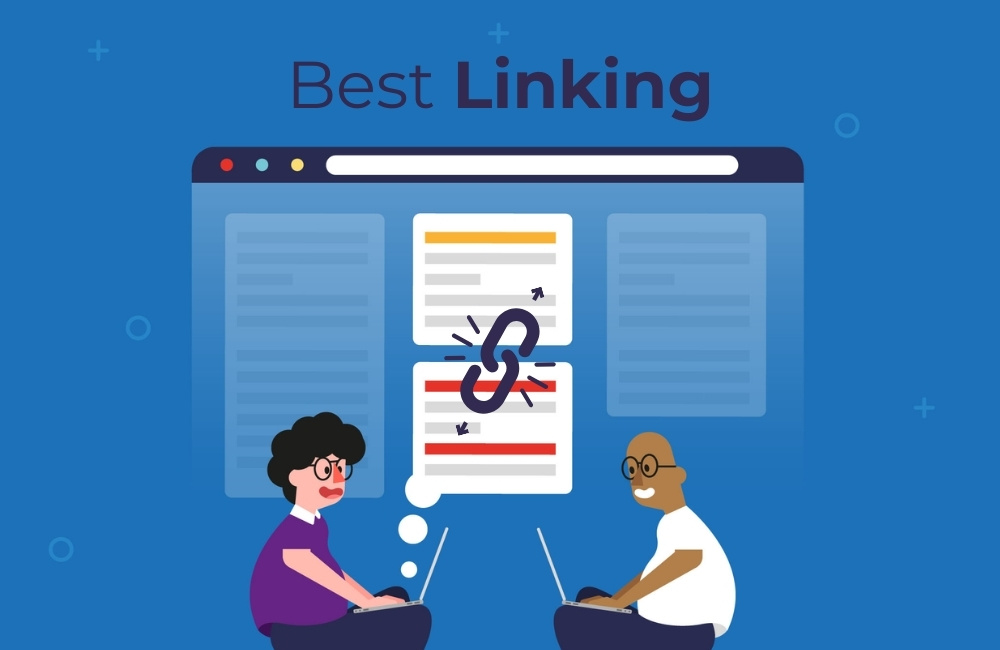
Use blog internal linking to connect related posts and keep readers exploring your site. Follow smart link placement tips to add links naturally where they help both users and search engines.
blog internal linking
Internal linking represents one of the most underutilized yet powerful SEO strategies available to content creators and website owners. When implemented strategically, internal links create pathways that guide both users and search engines through your content, establishing clear relationships between related topics while distributing page authority across your site.
The practice involves connecting one page on your website to another page on the same domain through hyperlinks. These connections serve multiple purposes: they help users discover relevant content, enable search engines to crawl and index your pages more effectively, and establish topical authority within your niche.
Search engines use internal links to understand your site’s structure and determine the relative importance of different pages. Pages that receive more internal links are often perceived as more valuable, which can positively impact their search rankings. Additionally, internal links keep visitors engaged by providing them with relevant resources, reducing bounce rates, and increasing time spent on your site.
Understanding where to place these links strategically can transform your content from isolated posts into a cohesive, interconnected network that serves both SEO objectives and user experience goals.
Strategic Placement of Internal Links
High-Traffic Pages: Your Link Distribution Powerhouse
Your most popular pages serve as prime real estate for internal linking. These high-traffic pages have already earned search engine trust and user engagement, making them ideal launching points for distributing authority to other content on your site.
Identify your top-performing pages through analytics tools and audit them regularly for internal linking opportunities. When you publish new content that relates to topics covered on these popular pages, update them with relevant internal links. This strategy ensures your new content receives immediate visibility and potential traffic from established pages.
Consider creating a systematic approach to updating high-traffic content. Set monthly reminders to review your most popular posts and identify opportunities to link to newer content. This proactive strategy ensures your latest articles benefit from the authority and visibility of your established content.
New Content: Building Authority Through Established Pages
Newly published content often struggles to gain traction without proper internal linking support. Linking from older, established pages to new content provides immediate SEO value and helps new posts gain visibility more quickly.
When creating new content, identify three to five existing pages that could naturally link to your new post. Update these pages with contextually relevant links that provide value to readers. This approach helps new content inherit some authority from established pages while creating logical content pathways for users.
The key lies in making these links feel natural and valuable rather than forced. Look for opportunities where your new content genuinely enhances or expands upon topics discussed in existing posts. This organic integration serves both SEO objectives and user experience goals.
Cornerstone Content: Creating Central Hub Pages
Cornerstone content represents your most comprehensive and valuable resources on specific topics. These in-depth pieces should serve as central hubs within your content ecosystem, both linking out to related subtopics and receiving links from supporting content.
Structure your cornerstone content to include sections that naturally link to more specific articles covering individual aspects of the broader topic. For example, a comprehensive guide to content marketing might link to specific posts about social media promotion, email marketing, or SEO optimization.
Conversely, ensure that your supporting content consistently links back to relevant cornerstone pieces. This bidirectional linking pattern helps establish topical clusters while providing users with comprehensive resources on subjects they’re researching.
Resource Pages: Maximizing Link Value Through Utility
Dedicated resource pages, tool lists, and guide collections provide excellent opportunities for strategic internal linking. These pages often target broad, competitive keywords while offering multiple opportunities to link to specific content pieces.
blog internal linking
Use blog internal linking to connect related posts and keep readers exploring your site. Follow smart link placement tips to add links naturally where they help both users and search engines.
Create resource pages that compile your best content on particular topics, organizing them in a way that provides clear value to visitors. These pages can serve as comprehensive starting points for users exploring specific subjects while distributing internal link equity across multiple related posts.
Regular maintenance of resource pages ensures they remain current and valuable. As you publish new content, update relevant resource pages to include your latest articles, maintaining their utility as comprehensive reference points.
Implementing a Topic Cluster Strategy
Topic clusters represent a sophisticated approach to content organization and internal linking that aligns with how search engines understand topical relationships. This SEO strategy involves creating pillar content pieces that comprehensively cover broad topics, supported by cluster content that explores specific subtopics in detail.
The pillar page serves as the authoritative resource on a broad topic, linking out to multiple cluster pages that cover specific aspects. Each cluster page, in turn, links back to the pillar page, creating a clear hierarchical structure that search engines can easily understand and index.
This strategy requires careful planning and execution. Begin by identifying broad topics relevant to your audience and industry, then create comprehensive pillar pages that provide overarching coverage. Subsequently, develop cluster content that explores specific questions, subtopics, or applications related to your pillar topics.
The internal linking structure within topic clusters should be both systematic and natural. Pillar pages should link to relevant cluster content where specific topics are mentioned, while cluster pages should consistently reference and link back to their corresponding pillar pages. This creates clear topical relationships that benefit both SEO performance and user navigation.
When implementing topic clusters, maintain consistency in your linking patterns. Use descriptive anchor text that clearly indicates what users will find when they follow links, and ensure that linked content genuinely adds value to the user’s understanding of the topic.
Measuring and Optimizing Internal Linking
Effective internal linking requires ongoing measurement and optimization to ensure your strategy delivers desired results. Several tools and metrics can help you assess the performance of your internal links and identify opportunities for improvement.
Google Analytics provides valuable insights into user behavior and content performance. Monitor metrics such as page views, session duration, and bounce rates to understand how internal links affect user engagement. Pages that receive significant traffic through internal links but show high bounce rates may need content improvements or better targeting.
Search console data reveals which pages receive the most internal links and how this correlates with search performance. Use this information to identify pages that might benefit from additional internal link support or to understand which linking strategies prove most effective.
Specialized SEO tools can provide more detailed internal linking analysis. These platforms often offer visualizations of your site’s link structure, identify orphaned pages that lack internal links, and suggest optimization opportunities based on content relationships and search performance data.
Regular auditing of your internal linking structure helps maintain its effectiveness over time. Set quarterly reviews to assess link performance, identify broken or outdated links, and discover new opportunities for strategic connections between content pieces.
Click-through rates on internal links provide direct insight into their effectiveness. Monitor which links receive the most clicks and analyze what makes them successful. Apply these insights to optimize underperforming links through better placement, improved anchor text, or more strategic targeting.
Building Your Internal Linking Foundation
Strategic internal linking transforms isolated blog posts into a cohesive content ecosystem that serves both search engines and users effectively. The key lies in understanding that successful internal linking requires ongoing attention and strategic thinking rather than random link placement.
Begin implementing these strategies gradually, focusing first on your highest-traffic pages and most important content pieces. As you develop familiarity with internal linking best practices, expand your efforts to create comprehensive topic clusters that establish clear topical authority within your niche.
Regular monitoring and optimization ensure your internal linking strategy continues delivering results as your content library grows. By treating internal links as strategic connections rather than afterthoughts, you create a stronger foundation for both SEO performance and user experience.
Start today by auditing your most popular content pieces and identifying three opportunities to add valuable internal links. This small step begins building the interconnected content network that will serve your SEO objectives and audience needs for years to come.
blog internal linking
Use blog internal linking to connect related posts and keep readers exploring your site. Follow smart link placement tips to add links naturally where they help both users and search engines.
