

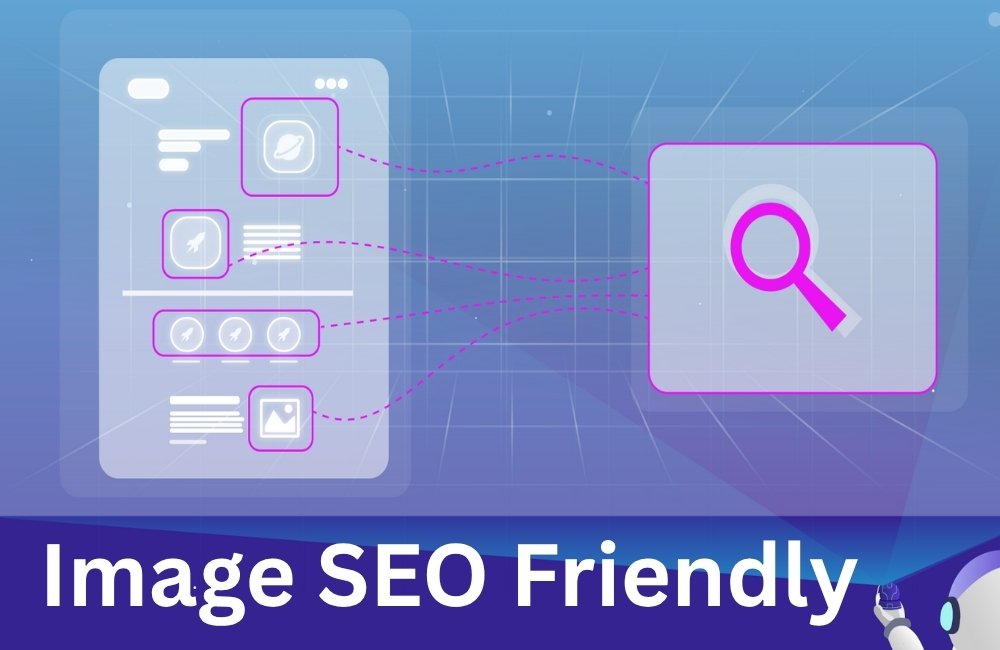
Images play a significant role in determining how a website appears and feels. They help capture people’s attention, explain complex ideas, and make your pages more engaging. But did you know that images can also help your site show up better in Google search results? Most people forget that pictures can be powerful tools for SEO — search engine optimization.
When used correctly, images can help you attract more visitors, load your site faster, and enhance your user experience. In this blog, we’ll break down eight easy and innovative ways to make your website images work better for SEO. Don’t worry, we’ll keep everything simple.
1. Pick the Right Image Format for the Job
Not all images are the same. The format (or file type) of your image makes a significant difference in how quickly your site loads and how it appears on different devices.
Here are the most common image formats you should know:
- JPEG (.jpg) – Great for photos with lots of colors. They’re small in size and load fast.
- PNG (.png) – Best for graphics, icons, or anything that needs a transparent background. These files are usually larger.
- WebP (.webp) – A modern format made by Google. It’s smaller and faster than JPEG and PNG, but looks just as good. It’s ideal if your site supports it.
- SVG (.svg) – Great for logos, icons, and line graphics. They stay clear even when zoomed in and load fast.
Tip: Use JPEG for photos, PNG for transparent images, WebP for most websites if supported, and SVG for graphics or logos.
2. Give Your Image Files Proper Names
Search engines like Google don’t “see” your image the way humans do — they read the file name. That’s why naming your image correctly is super important for SEO.
Bad example:
IMG1234.jpg
screenshot-final.png
Good example:
red-running-shoes-men.jpg
healthy-breakfast-bowl-fruits.jpg
Use simple keywords that clearly describe the content of the image. Use hyphens (-) to separate words. Don’t use underscores (_) or cram too many keywords — it should still sound natural.
Tip: Think like a user — “What would someone search on Google to find this image?”
3. Write Helpful Alt Text for Every Image
Alt text (alternative text) is a short description of what an image shows. It appears that if the image doesn’t load, it’s read aloud by screen readers for people with vision problems. It’s also something Google uses to understand your image.
Instead of writing something like:
alt=”image”
Write:
alt=”young woman smiling while working on a laptop in a cozy office”
Use real words, include a few relevant keywords, and make sure it sounds natural. This helps with accessibility and SEO.
Tip: Don’t overuse keywords. Make your alt text helpful first, and optimize it second.
4. Resize and Compress Your Images
Big image files slow down your website — and Google doesn’t like slow websites. So, always resize and compress your images before uploading them.
Here’s how to do it:
- Resize: If you’re showing an image at 600px wide, don’t upload it at 2400px wide. Match the size to where it will be displayed on your site.
- Compress: Utilize free tools like TinyPNG, ImageOptim, or WordPress’s built-in tools to reduce file size without compromising quality.
Try to keep:
- Hero images under 200KB
- Product images under 100KB
- Icons or thumbnails under 50KB
Tip: Smaller files = faster site = better SEO.
5. Add Image Structured Data (If Needed)
Structured data helps search engines better understand the content within your pages. You can also use it for images in certain situations — especially if you run:
- E-commerce websites: Show product details like price, ratings, and availability
- Recipe sites: Include ingredients, cook time, and ratings
- Local businesses: Add location info to your images to help with local SEO
This doesn’t apply to every site, but if it does, it can give you an edge in search results.
Tip: Use Google’s Structured Data Markup Helper to add this easily.
6. Create an Image Sitemap
Usually, search engines find your images by crawling your pages. However, images are sometimes hidden in sliders, galleries, or pop-ups — and they may not be indexed appropriately.
That’s where image sitemaps help. It’s like a map you give to Google that says:
“Hey, here are all the images on my site.”
You can create one manually or use a plugin (if you’re using WordPress, Yoast SEO can do this). Then, submit it through Google Search Console.
Tip: Prioritize your most important images, such as product pictures or infographics.
7. Use Responsive Images for All Devices
People visit websites using a variety of devices, including phones, tablets, and laptops. You need your images to look good and load fast on all screen sizes.
Here’s how to do that:
- Use responsive images (HTML attribute)
- Try lazy loading, which loads images only when the user scrolls to them
In WordPress or Shopify, many themes already support these features. If you’re using custom code, your developer can help.
Tip: Add loading=”lazy” to your images. It helps your page load faster by deferring the loading of images that are not immediately visible.
8. Track How Your Images Perform
Once your images are live and optimized, don’t just forget about them. Use tools to monitor their performance.
Check these tools:
- Google Search Console – See how many people find your site through image searches
- PageSpeed Insights – Find out which images are slowing down your pages
- Core Web Vitals – Track things like loading time and layout shifts
Tip: Regularly check and update your top-performing images to ensure they remain practical and up-to-date. If something’s working, use the same strategy on other pages too.
Final Thoughts: Why Image SEO Is Worth It
Images are more than just decoration for your website. They help you tell stories, connect with your audience, and — if optimized properly — bring in more traffic from Google and other search engines.
Here’s a quick summary of what you should always do:
- Choose the correct image format
- Give images clear, simple names
- Write helpful alt text
- Resize and compress before uploading
- Use structured data (if needed)
- Submit an image sitemap
- Make images responsive and mobile-friendly
- Keep track of performance and make improvements
Whether you run a blog, online store, service site, or portfolio, following these tips will make your images work harder for your SEO goals. Over time, these small efforts will accumulate to generate more traffic, improve rankings, and ultimately lead to happier users.
