

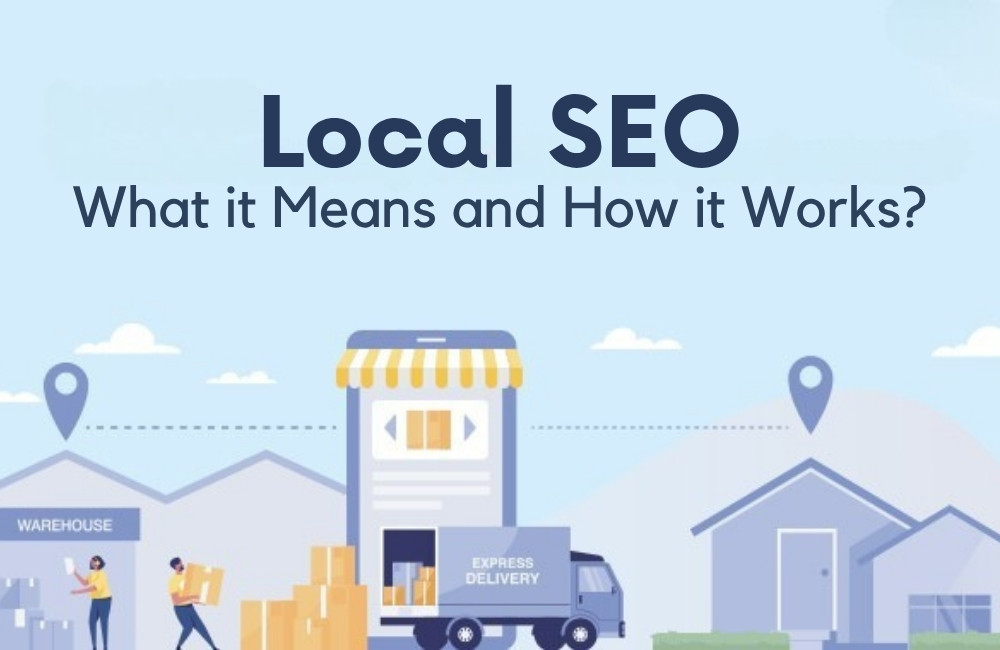
Local SEO Made Simple
Local SEO Made Simple helps small businesses show up in nearby searches. This Beginners Guide to Local SEO teaches you easy steps like using location keywords and setting up your Google Business profile.
Local SEO for Beginners: What It Means & How It Works
Local SEO represents a fundamental strategy for businesses seeking to establish a strong digital presence within their geographic market. This specialized approach to search engine optimization focuses on optimizing your online visibility for location-based searches, ensuring that potential customers in your area can easily discover your business when they need your products or services.
The significance of local SEO cannot be overstated for small and medium-sized businesses. When customers search for “restaurants near me,” “plumber in [city],” or “best hair salon [neighborhood],” they demonstrate clear purchase intent with geographic specificity. Local SEO positions your business to capture this high-value traffic, directly connecting you with customers who are ready to make purchasing decisions.
The benefits extend far beyond simple visibility. Effective local SEO strategies drive qualified traffic to your website, increase foot traffic to physical locations, build community brand recognition, and establish your business as a trusted local authority. These outcomes translate directly into revenue growth and sustainable competitive advantages within your market.
Understanding Local SEO
Local SEO differs significantly from traditional SEO in both scope and methodology. While conventional SEO targets broad, often national or international audiences, local SEO concentrates on capturing customers within specific geographic boundaries. This targeted approach requires distinct optimization techniques and ranking factor considerations.
The algorithms governing local search results evaluate businesses based on three primary criteria: relevance, distance, and prominence. Relevance measures how well your business matches the searcher’s query intent. Distance considers the geographic proximity between the searcher’s location and your business. Prominence evaluates your business’s overall authority and reputation through factors such as review quality, citation consistency, and online presence strength.
Local search results typically display through Google’s Local Pack, which showcases three businesses prominently above organic search results. These coveted positions drive substantial traffic and conversions, making Local Pack optimization a critical component of any local SEO strategy. Additional ranking factors include Google My Business optimization, local citation accuracy, website mobile responsiveness, and customer review management.
Setting Up Google My Business
Google My Business (GMB) serves as the cornerstone of local SEO success. This free platform allows businesses to manage their online presence across Google Search and Google Maps, providing essential information to potential customers and search algorithms.
Creating your GMB profile requires systematic attention to detail. Begin by claiming your business listing through the Google My Business website. Provide comprehensive business information, including your exact business name, complete address, accurate phone number, website URL, business category, and operating hours. Select your primary business category carefully, as this significantly influences your visibility for relevant searches.
Optimization extends beyond basic information entry. Upload high-quality images showcasing your products, services, team, and location. Write a compelling business description that incorporates relevant local keywords while accurately representing your offerings. Enable messaging features to facilitate customer communication. Regularly update your profile with posts, offers, events, and business updates to maintain active engagement.
Verification represents a crucial step in establishing GMB credibility. Google typically verifies businesses through postcard verification, requiring you to receive and enter a verification code sent to your business address. Some companies may qualify for phone or email verification, depending on their circumstances and Google’s verification policies.
On-Page Optimization for Local SEO
Website optimization for local search requires strategic integration of location-specific elements throughout your site architecture and content. Local keyword optimization forms the foundation of this strategy, targeting terms that combine service offerings with geographic modifiers.
Develop comprehensive location pages for each area you serve. These pages should provide detailed information about your services in specific locations, include local landmarks and neighborhood references, and feature unique content that demonstrates genuine local expertise. Avoid duplicating content across location pages, as search engines penalize thin or duplicate content.
Schema markup implementation enhances your website’s ability to communicate location information to search engines. Local business schema provides structured data about your business name, address, phone number, operating hours, and service areas. This markup helps search engines understand and display your business information accurately in search results.
Optimize title tags and meta descriptions with local keywords and location modifiers. Create location-specific landing pages for various service areas and business locations. Incorporate local keywords naturally throughout your website content, including service descriptions, blog posts, and contact information.
Building Local Citations
Local citations represent online mentions of your business name, address, and phone number (NAP) across various directories, websites, and platforms. These citations serve as digital references that validate your business’s legitimacy and local presence to search engines.
Citation consistency across all platforms significantly impacts local search rankings. Ensure your business information appears identically across all citation sources, including exact spelling, formatting, and abbreviations. Inconsistent citations confuse search engines and can negatively impact your local search visibility.
Primary citation sources include major directories such as Google My Business, Yelp, Facebook, Yellow Pages, and industry-specific directories relevant to your business sector. Secondary citation sources encompass local chambers of commerce, community websites, local newspapers, and regional business directories.
Building citations requires systematic research and submission processes. Identify relevant directories through competitor analysis and industry research. Submit your business information to high-authority directories first, then expand to niche and local directories. Monitor your citations regularly to ensure accuracy and address any inconsistencies promptly.
Encouraging and Managing Customer Reviews
Customer reviews significantly influence both local search rankings and consumer purchasing decisions. Search engines view positive reviews as indicators of business quality and customer satisfaction, incorporating review signals into local ranking algorithms.
Develop systematic review generation strategies that comply with platform guidelines. Provide exceptional customer service that naturally encourages positive feedback. Follow up with satisfied customers through email sequences or direct communication, politely requesting reviews on your preferred platforms.
Review management extends beyond collection to include thoughtful response strategies. Respond to all reviews, both positive and negative, with professional and personalized messages. Thank customers for positive feedback and address negative reviews constructively, demonstrating your commitment to customer satisfaction and problem resolution.
Monitor your online reputation across multiple review platforms, including Google, Yelp, Facebook, and industry-specific review sites. Set up review monitoring alerts to stay informed about new feedback. Address negative reviews promptly and professionally, using them as opportunities to showcase your customer service standards.
Mobile Optimization for Local Search
Mobile optimization represents a critical component of local SEO success, as the majority of local searches occur on mobile devices. Google’s mobile-first indexing prioritizes mobile-optimized websites in search results, making mobile responsiveness essential for local visibility.
Local SEO Made Simple
Local SEO Made Simple helps small businesses show up in nearby searches. This Beginners Guide to Local SEO teaches you easy steps like using location keywords and setting up your Google Business profile.
Ensure your website loads quickly on mobile devices, as page speed directly impacts both user experience and search rankings. Optimize images for mobile viewing, implement responsive design principles, and minimize loading times through efficient coding and hosting solutions.
Design mobile-friendly contact and conversion elements. Make phone numbers clickable for easy dialing, ensure contact forms function correctly on mobile devices, and optimize your Google My Business information for mobile search display. Consider implementing location-based features such as driving directions and click-to-call functionality.
Tracking and Measuring Local SEO Performance
Effective local SEO requires consistent monitoring and measurement of key performance indicators. Google Analytics provides valuable insights into local search traffic, including organic search performance, geographic traffic distribution, and conversion tracking.
Google My Business insights offer detailed metrics about your local search visibility, including search appearance frequency, customer actions, and photo engagement. Monitor these metrics regularly to understand your local search performance trends and identify optimization opportunities.
Track local search rankings for your target keywords across different locations and devices. Utilize tools such as Google Search Console, local rank tracking software, and manual search verification to monitor your position in local search results.
Implementing Your Local SEO Strategy
Local SEO success requires systematic implementation of proven strategies combined with consistent monitoring and optimization. The foundation begins with accurate business information across all online platforms, supported by comprehensive Google My Business optimization and strategic local keyword targeting.
Building your local online presence through citation development, review management, and community engagement establishes the authority and trustworthiness that search engines reward with improved visibility. These efforts compound over time, creating sustainable competitive advantages within your local market.
The investment in local SEO delivers measurable returns through increased website traffic, enhanced brand recognition, and improved customer acquisition rates. Begin implementing these strategies systematically, focusing on foundational elements first before expanding to advanced optimization techniques.
Local SEO Made Simple
Local SEO Made Simple helps small businesses show up in nearby searches. This Beginners Guide to Local SEO teaches you easy steps like using location keywords and setting up your Google Business profile.
