

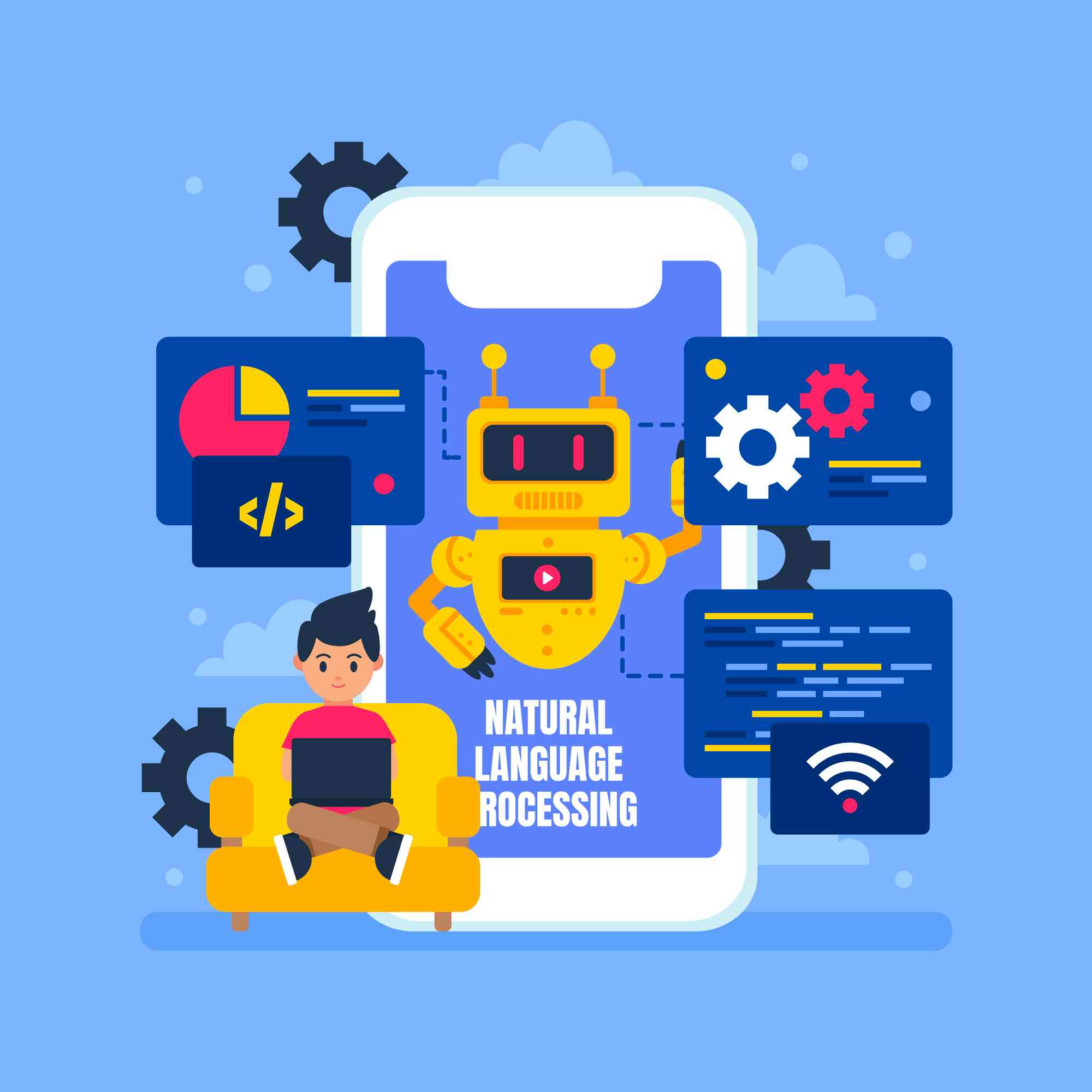
Build Apps With No Coding Using AI
The barrier to app development has never been lower. Thanks to advances in artificial intelligence and no-code platforms, anyone can now create sophisticated applications without writing a single line of code. Whether you’re a digital marketer wanting to build custom campaign tools, an educator developing interactive learning apps, or a small business owner creating branded customer experiences, AI-powered no-code solutions are democratizing app development.
This shift represents more than just technological convenience—it’s opening doors for creativity and innovation across industries. With AI handling the complex coding requirements, you can focus entirely on bringing your ideas to life. From drag-and-drop interfaces to intelligent automation features, these platforms are transforming how we think about building digital solutions.
How Digital Marketers Benefit from No-Code AI App Development
Digital marketers face constant pressure to create engaging, personalized experiences that stand out in crowded markets. Traditional app development often meant lengthy timelines, hefty budgets, and complex technical requirements that could derail even the most promising campaign ideas.
AI-powered no-code app builders change this dynamic entirely. Marketers can now prototype, test, and deploy custom applications in days rather than months. Need a quiz app to generate leads? Build it in an afternoon. Want to create an interactive product configurator? AI handles the backend logic while you design the user experience.
These platforms excel at integrating with existing marketing tools. Connect your newly built app to your CRM, email marketing platform, and analytics tools without wrestling with APIs or complex integrations. The AI components can even personalize content based on user behavior, creating dynamic experiences that adapt to each visitor.
The speed advantage alone transforms marketing strategies. Instead of committing to one major app release per quarter, teams can rapidly iterate, test multiple concepts, and optimize based on real user data. This agility proves especially valuable for seasonal campaigns, product launches, or responding to market trends.
Revolutionizing Education Through AI-Powered Apps
Educators consistently seek ways to make learning more interactive and engaging. Traditional educational software often fails to meet specific classroom needs or requires technical expertise to customize. AI app development platforms solve both challenges, empowering teachers to create tailored learning experiences.
Interactive quizzes, virtual field trips, and collaborative project spaces become accessible to any educator with a vision. The AI components can automatically grade assignments, provide personalized feedback, and identify students who might need additional support. These aren’t generic solutions—they’re custom-built for specific curricula and learning objectives.
Language learning apps showcase the power particularly well. Teachers can create vocabulary games that adapt to individual student progress, pronunciation tools that provide instant feedback, and cultural exploration apps that supplement textbook learning. The AI handles speech recognition, progress tracking, and adaptive difficulty scaling while educators focus on pedagogical design.
The collaborative aspect proves equally valuable. Students can contribute to app development projects, learning about technology while creating tools for their own learning. This participatory approach develops digital literacy skills while producing genuinely useful educational resources.
Enhancing Content Creation with Visual AI Integration
Content creators understand the power of compelling visuals, but creating custom graphics, animations, and interactive elements traditionally required specialized skills or expensive software. AI image generation, combined with no-code app builders, bridges this gap dramatically.
Bloggers can build interactive article companions that include custom illustrations generated on demand. Podcasters can create companion apps with AI-generated episode artwork that updates automatically. YouTube creators can develop viewer engagement tools with unique visual elements that match their brand perfectly.
The integration between AI image generation and app development creates particularly powerful storytelling opportunities. Imagine building a choose-your-own-adventure story app where each decision generates unique visuals, or a travel blog companion that creates personalized itinerary apps with AI-generated destination imagery.
Social media content creators benefit enormously from this combination. Build apps that generate social media posts, create interactive stories, or develop branded mini-games that incorporate AI-generated assets. The personalization possibilities expand exponentially when AI can generate visuals tailored to individual user preferences or behaviors.
Transforming Small Business Branding Through AI Apps
Small businesses often lack the resources for custom app development, yet they need digital tools to compete effectively. AI-powered no-code platforms level the playing field, enabling entrepreneurs to create professional applications that enhance their brand presence and customer relationships.
Restaurant owners can build ordering apps with AI-generated food photography that makes every dish look appetizing. Fitness trainers can create workout apps with custom exercise animations. Retail businesses can develop virtual try-on experiences or product customization tools that previously required significant technical investment.
The branding consistency achievable through AI image generation proves particularly valuable. Generate logos, marketing materials, and app interfaces that maintain visual coherence across all customer touchpoints. The AI learns your brand guidelines and applies them consistently, ensuring professional results without requiring design expertise.
Customer service applications represent another significant opportunity. Build chatbots, FAQ apps, or troubleshooting guides that incorporate your brand voice and visual identity. These tools reduce support workload while providing 24/7 customer assistance that maintains brand standards.
Technical Innovation for the Curious Mind
Tech enthusiasts appreciate both the sophistication and accessibility of modern AI app development platforms. Behind the user-friendly interfaces lie complex machine learning models, computer vision systems, and natural language processing engines that handle the heavy computational lifting.
The platforms typically employ visual programming languages, allowing users to create logic flows through drag-and-drop interfaces. AI components integrate seamlessly—add image recognition with a single component, implement chatbot functionality with pre-trained models, or include predictive analytics without understanding the underlying algorithms.
API integrations showcase the platforms’ flexibility. Connect to cloud services, third-party databases, or specialized AI models without managing server infrastructure or authentication protocols. The platforms abstract away technical complexity while maintaining the power and flexibility of traditional development approaches.
For those interested in the underlying technology, many platforms provide transparency into their AI models and training processes. Understand how image generation algorithms create visuals, explore the datasets powering language models, or experiment with training custom models for specific use cases.
Democratizing Innovation Through Accessible Technology
The convergence of AI image generation, no-code app development, and intelligent automation represents a fundamental shift in how we approach problem-solving through technology. Complex applications that once required months of development and substantial financial investment can now be prototyped and deployed by anyone with a clear vision and willingness to experiment.
This accessibility doesn’t mean compromising on sophistication or functionality. Modern AI app development platforms provide enterprise-grade security, scalable infrastructure, and professional deployment options. The difference lies in who can access these capabilities—expanding from specialized technical teams to anyone with innovative ideas and the motivation to bring them to life.
The democratization effect ripples through industries and communities. Students can build solutions to campus problems, nonprofits can create advocacy tools, and local businesses can develop customer engagement platforms. Innovation becomes distributed, diverse, and responsive to real-world needs rather than concentrated in traditional technology centers.
As these platforms continue evolving, expect even greater integration between AI capabilities and app development tools. The future belongs to creators who combine domain expertise with accessible technology platforms, building solutions that solve real problems for real people.
