

make money selling ebooks
Learn how to create passive income by selling eBooks and online courses. Step-by-step guide to turning your expertise into profitable…
make money selling ebooks
Turn Your Knowledge Into Cash: Make Money Selling eBooks and Online Courses.
Building streams of passive income has never been more accessible than it is right now. While traditional investments require significant capital upfront, digital products like eBooks and online courses offer a different path—one where your expertise becomes your currency.
The beauty of selling digital products lies in their scalability. Create once, sell indefinitely. Unlike physical products that require inventory management and shipping logistics, eBooks and online courses can generate revenue while you sleep. Whether you’re a fitness enthusiast, marketing professional, cooking expert, or possess any specialized knowledge, there’s likely an audience willing to pay for your insights.
The numbers speak for themselves. The global e-learning market reached $315 billion in 2021 and continues growing at 20% annually. Meanwhile, the eBook market generates over $18 billion worldwide each year. These aren’t just statistics—they represent real opportunities for anyone ready to package their knowledge into profitable digital products.
Why Choose eBooks and Online Courses?
Digital products offer unique advantages that make them ideal for generating passive income. Understanding these benefits will help you see why they’re worth the initial investment of time and effort.
Low Startup Costs
Unlike launching a physical product business, creating eBooks and online courses requires minimal upfront investment. You need basic software for writing and recording, but many free alternatives exist. No inventory costs, no shipping fees, no warehouse storage—just your time and expertise.
Leverage Your Existing Skills
Everyone possesses knowledge that others want to learn. You’ve mastered Excel formulas through years of office work, or you’ve developed effective parenting strategies. These everyday skills often translate into valuable digital products. The key is recognizing that what feels natural to you might be incredibly valuable to someone else.
Affordability Appeals to Customers
Digital products typically cost less than in-person training or consulting services, making them accessible to broader audiences. Customers appreciate getting quality information at reasonable prices, while you benefit from higher volume sales and reduced per-transaction costs.
How to Create Your First eBook
Creating your first eBook doesn’t require being a published author or having perfect writing skills. Follow these steps to transform your knowledge into a sellable digital product.
Identify Your Niche and Target Audience
Start by examining your skills, experiences, and interests. What questions do people frequently ask you? What challenges have you overcome that others struggle with? Your eBook topic should sit at the intersection of your expertise and market demand.
Research your potential audience thoroughly. Visit online forums, Facebook groups, and platforms like Reddit to understand what problems people face in your chosen niche. Look for recurring questions and pain points—these indicate strong demand for solutions.
Write High-Quality and Engaging Content
Focus on solving specific problems rather than covering broad topics superficially. Your readers want actionable advice they can implement immediately. Structure your content logically, moving from basic concepts to advanced strategies.
make money selling ebooks
make money selling ebooks
Learn how to create passive income by selling eBooks and online courses. Step-by-step guide to turning your expertise into profitable…
make money selling ebooks
make money selling ebooks
make money selling ebooks
Write conversationally, as if you’re teaching a friend. Break complex ideas into digestible chunks using bullet points, numbered lists, and short paragraphs. Include real examples and case studies whenever possible to illustrate your points effectively.
Format Your eBook for Readability.
Professional formatting significantly impacts how readers perceive your content’s value. Use consistent fonts, appropriate spacing, and clear headings to create a pleasant reading experience. Tools like Canva or Google Docs provide templates that make formatting straightforward, even for beginners.
Design an Eye-Catching Cover
Your cover serves as your eBook’s first impression and primary marketing tool. Invest in professional design or use platforms like Book Brush or Canva to create compelling covers. Study bestselling books in your genre to understand design conventions that attract your target audience.
Edit and Proofread
Nothing undermines credibility faster than spelling errors and grammatical mistakes. After completing your first draft, let it sit for a few days before reviewing with fresh eyes. Consider hiring a professional editor or asking trusted friends to proofread your work.
How to Create Your First Online Course
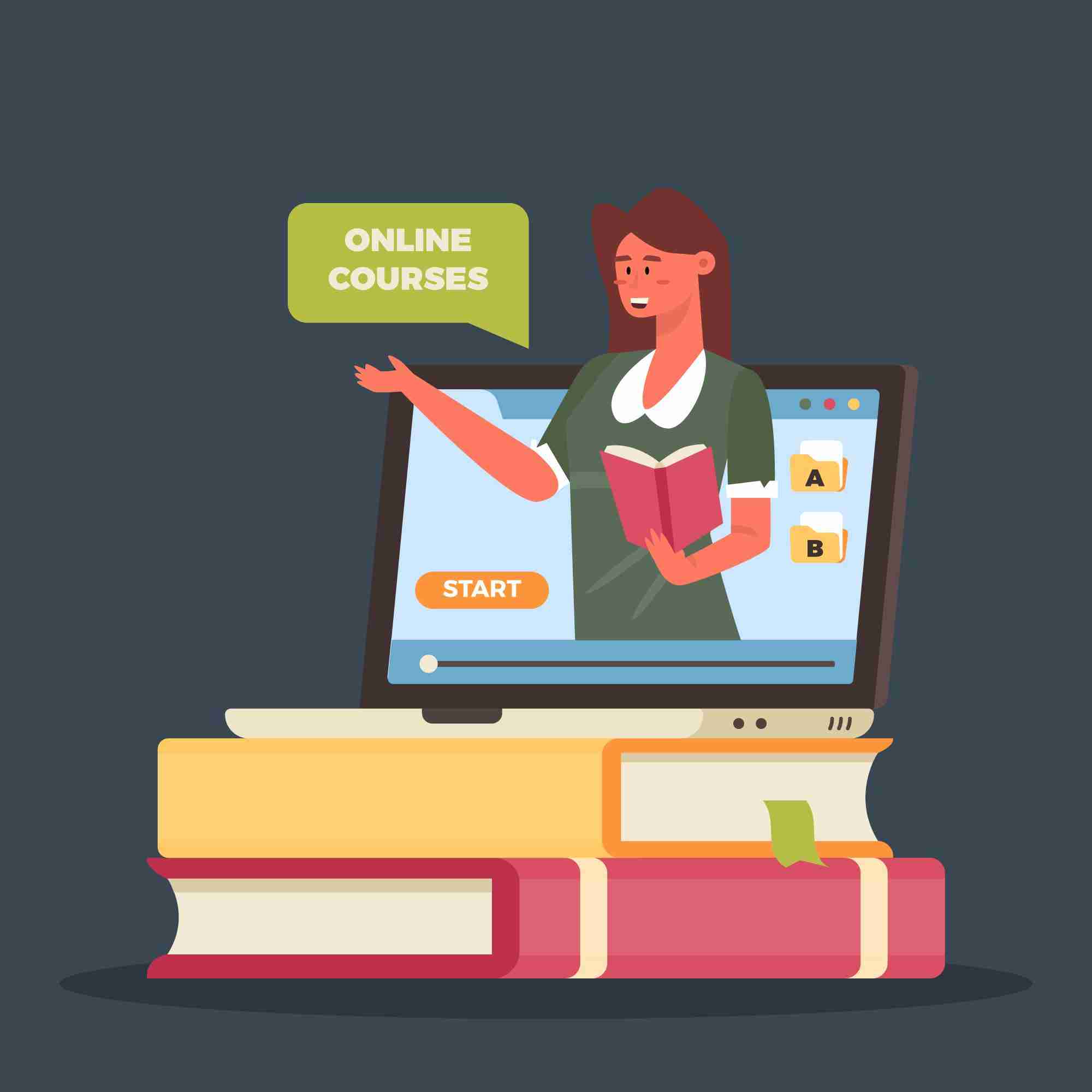
Online courses typically command higher prices than eBooks because they offer more interactive learning experiences. The creation process requires additional steps but can yield significantly greater returns.
Choose a Profitable Course Topic
Your course topic should address a specific skill gap or problem within your area of expertise. Research competitor courses to understand pricing, content depth, and student feedback. Platforms like Udemy and Skillshare provide insights into popular course topics and successful approaches.
Validate your idea before investing time in creation. Survey your social media followers, email subscribers, or professional network to gauge interest in your proposed course topic.
Plan Your Course Content
Organize your knowledge into logical modules that build upon each other. Start with fundamental concepts and gradually introduce more advanced material. Each lesson should have clear learning objectives and end with actionable takeaways.
Create a detailed outline including video scripts, presentation slides, and supplementary materials. This planning phase prevents scope creep and ensures your course delivers on its promises.
Invest in Quality Recording Equipment
While you don’t need Hollywood-level production values, clear audio and video significantly impact student satisfaction. A decent USB microphone, good lighting, and a quiet recording space will suffice for most courses. Many successful course creators start with smartphone cameras and basic editing software.
Record and Edit Your Course Videos
Keep individual video segments between 5-15 minutes to maintain engagement. Longer videos can feel overwhelming, while very short ones may seem insubstantial. Practice your delivery beforehand to minimize editing time and create more polished content.
Use editing software like Camtasia, ScreenFlow, or free alternatives like DaVinci Resolve to enhance your recordings. Add captions, remove filler words, and include graphics or animations to support your explanations.
Create Engaging and Interactive Content
Beyond video lectures, include quizzes, assignments, downloadable resources, and discussion prompts. Interactive elements keep students engaged and improve completion rates, which positively impacts your course’s visibility on most platforms.
Add Supplementary Resources
Provide additional value through PDF guides, templates, checklists, or other resources students can reference after completing your course. These materials increase perceived value and encourage positive reviews.
Gather Feedback and Update
Launch with a small group of beta students to gather feedback before your full release. Use their input to refine content, fix technical issues, and identify areas for improvement. Regularly updating your course based on student feedback helps maintain high ratings and relevance.
Marketing and Selling Your Products
Creating excellent content represents only half the challenge. Effective marketing determines whether your digital products generate significant passive income or collect digital dust.
Build an Email List
Email marketing remains one of the most effective ways to sell ebooks and online courses. Start building your list early by offering free, valuable content in exchange for email addresses. Lead magnets like mini-courses, checklists, or sample chapters work well for this purpose.
Nurture your subscribers with regular helpful content, not just promotional messages. Share tips, behind-the-scenes insights, and success stories to build trust and demonstrate ongoing value.
Utilize Social Media Platforms for Promotion
Different platforms serve different purposes in your marketing strategy. LinkedIn works well for professional development content, Instagram suits lifestyle and creative topics, while YouTube helps establish authority through free educational content.
Share valuable tips and insights consistently rather than constantly promoting your products. The 80/20 rule applies—80% helpful content, 20% promotional material. This approach builds trust and positions you as an expert worth learning from.
Consider Paid Advertising Options
Once you’ve validated your products through organic marketing, paid advertising can scale your reach significantly. Facebook and Google ads allow precise targeting based on interests, demographics, and behaviors.
Start with small budgets to test ad performance and refine your targeting. Track conversion rates carefully to ensure your advertising spend generates positive returns.
Turn Your Expertise Into Lasting Income
Creating and selling ebooks and online courses offers a genuine path to building passive income streams. Unlike get-rich-quick schemes, this approach requires initial effort but can generate revenue for years afterward.
The digital education market continues to expand as more people seek convenient, affordable ways to acquire new skills. Your unique perspective and experiences provide value that others are willing to pay for. The question isn’t whether opportunities exist—it’s whether you’re ready to package your knowledge and share it with the world.
Start small with a single eBook or course rather than trying to create multiple products simultaneously. Focus on delivering exceptional value to your first customers, gather their feedback, and use those insights to improve and expand your offerings.
Your journey toward passive income begins with a single step: identifying the valuable knowledge you already possess and taking action to share it. The tools, platforms, and audiences are waiting. All that remains is your decision to begin.
make money selling ebooks
make money selling ebooks
Learn how to create passive income by selling eBooks and online courses. Step-by-step guide to turning your expertise into profitable…
make money selling ebooks
make money selling ebooks
make money selling ebooks
