

A/B Testing Ads: Easy Tips for Better Results
Running ads without testing them is like driving blindfolded—you might reach your destination, but you’re taking unnecessary risks along the way. A/B testing ads transforms guesswork into data-driven decisions that can dramatically improve your campaign performance.
A/B ad testing tips
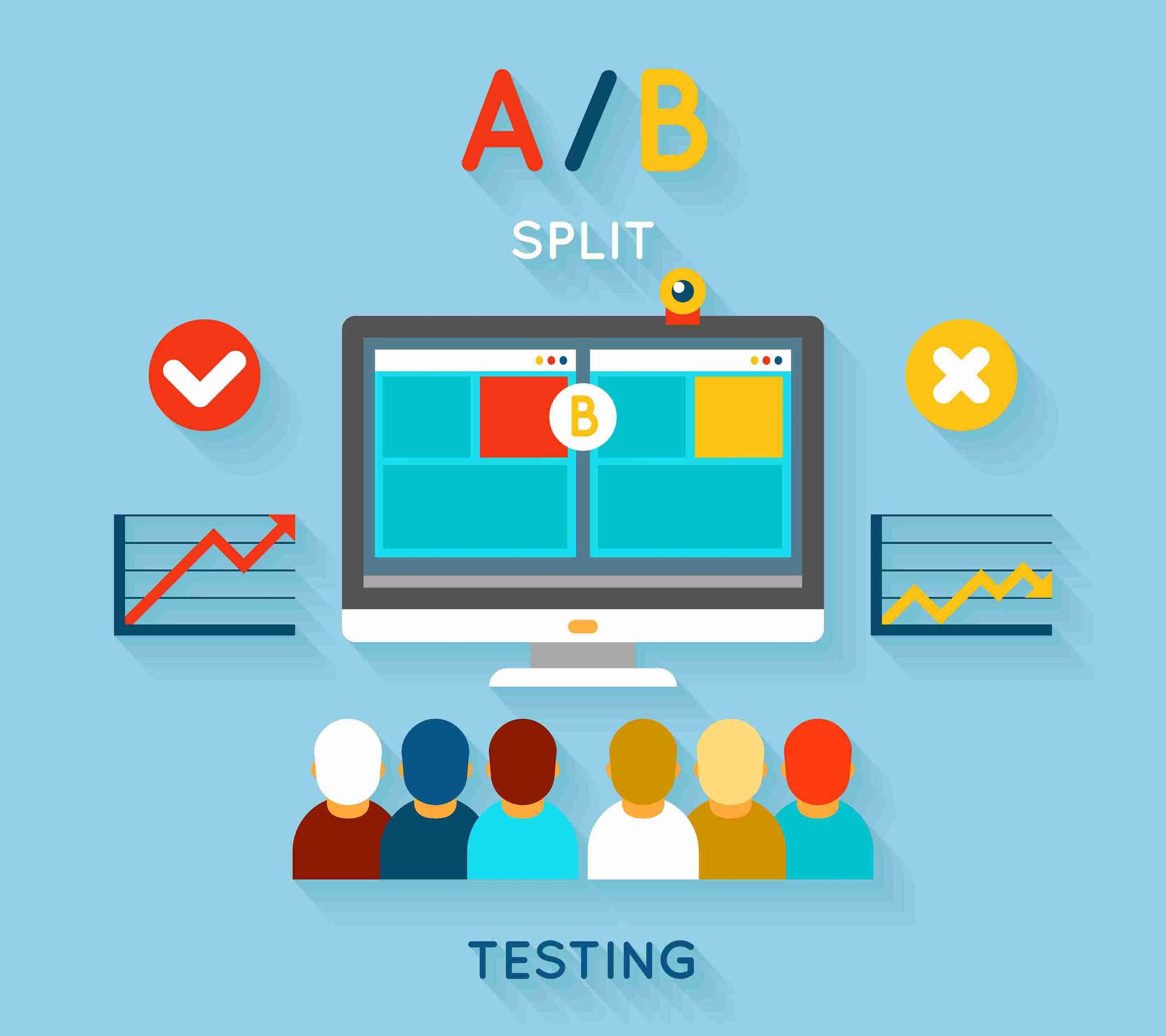
A/B ad testing tips help you compare two ad versions to see which works better. A split test ad strategy uses real results to improve clicks
Whether you’re managing Google AdSense campaigns or running paid social media ads, A/B testing helps you understand what resonates with your audience. This systematic approach to testing different ad variations reveals which headlines, images, and calls-to-action drive the highest engagement and conversions.
The beauty of A/B testing lies in its simplicity. By changing one element at a time and measuring the results, you can optimize every aspect of your advertising campaigns. This guide will walk you through everything you need to know about A/B testing ads, from setting up your first experiment to analyzing results like a pro.
Why A/B Testing Matters for Google AdSense
Google AdSense optimization isn’t just about placing ads on your website and hoping for the best. Smart publishers use A/B testing to maximize their ad revenue by identifying the most effective ad placements, formats, and targeting strategies.
When you A/B test your AdSense campaigns, you’re letting your audience tell you what works. One ad variation might perform 30% better than another, but you’ll never know without testing. This data-driven approach removes emotional bias from your advertising decisions and focuses purely on what generates results.
AdSense provides built-in tools for running ad campaign experiments, making it easier than ever to test different strategies. Publishers who regularly conduct A/B tests typically see significant improvements in click-through rates, cost-per-click, and overall revenue compared to those who rely on intuition alone.
The financial impact can be substantial. Even a 10% improvement in ad performance can translate to hundreds or thousands of dollars in additional revenue over time, depending on your traffic volume and monetization strategy.
Setting Up Your First A/B Test: Step-by-Step
Creating your first A/B test doesn’t require advanced technical skills or expensive software. Start by identifying a single element you want to test—perhaps your ad headline or the main image you’re using.
Begin with your control version, which is your current ad that serves as the baseline. This becomes your “A” variation. Create your test version by changing only one element, making this your “B” variation. Testing multiple changes simultaneously makes it impossible to determine which specific change drove any performance differences.
Set clear success metrics before launching your test. Are you optimizing for click-through rates, conversions, or cost-per-acquisition? Having defined goals ensures you’re measuring what actually matters to your business objectives.
Determine your sample size and test duration upfront. Running tests for too short a period can lead to inconclusive results, while testing for too long wastes opportunities to implement winning variations. Most experts recommend running tests for at least one week to account for daily performance fluctuations.
Document your testing hypothesis. Write down what you expect to happen and why. This practice helps you learn from both successful and unsuccessful tests, building your expertise over time.
What Elements to Test in Your Ads
The headline often has the biggest impact on ad performance, so start here if you’re unsure where to begin. Test different value propositions, emotional appeals, or question formats to see what captures attention most effectively.
Visual elements deserve significant attention in your testing strategy. Different images, colors, or video thumbnails can dramatically affect engagement rates. For display ads, consider testing various creative styles, from minimalist designs to more detailed graphics.
Your call-to-action (CTA) button represents another high-impact testing opportunity. Experiment with different action words, colors, sizes, and placement positions. Sometimes changing “Learn More” to “Get Started” can improve conversion rates by 20% or more.
Ad copy and descriptions provide numerous testing possibilities. Try different lengths, tones, and benefit statements. Some audiences respond better to feature-focused copy, while others prefer emotional or problem-solving approaches.
Targeting parameters also warrant testing attention. Different age groups, geographic locations, or interest categories might respond differently to identical ad creative. This information helps you allocate budget more effectively across audience segments.
Analyzing Your A/B Testing Results
Statistical significance forms the foundation of reliable A/B testing analysis. Don’t make decisions based on small sample sizes or short testing periods, as these can lead to false conclusions that hurt your long-term performance.
Look beyond surface-level metrics when evaluating results. An ad variation might have a higher click-through rate but a lower conversion rate, making it less valuable overall. Always analyze the complete customer journey, not just initial engagement metrics.
Consider external factors that might influence your results. Seasonal trends, competitor activities, or current events can impact ad performance in ways that have nothing to do with your testing variations. Document these factors to understand your results better.
A/B ad testing tips
A/B ad testing tips help you compare two ad versions to see which works better. A split test ad strategy uses real results to improve clicks
Calculate the confidence level of your results before making changes. Most testing platforms provide this information automatically, but understanding what it means helps you make better decisions. A 95% confidence level means you can be confident your results aren’t due to random chance.
Don’t ignore losing variations completely. Sometimes an unsuccessful test provides valuable insights about your audience preferences or reveals opportunities for future testing directions.
Advanced A/B Testing Techniques
Multivariate testing allows you to test multiple elements simultaneously, though it requires significantly more traffic to reach statistical significance. This approach works well for high-traffic campaigns where you want to understand how different elements interact with each other.
Sequential testing builds on previous results by using winning variations as the new control for subsequent tests. This iterative approach leads to continuous improvement over time, as each test builds upon the learnings from previous experiments.
Segmented testing reveals how different audience groups respond to your ad variations. One headline works better for mobile users while another performs better on desktop, leading to more sophisticated targeting strategies.
Holdout groups help you understand the cumulative impact of your testing program. By comparing results from a group that receives all your optimizations against a control group that doesn’t, you can measure the total value of your A/B testing efforts.
Tools for Easier A/B Testing
Google Ads provides robust built-in testing capabilities that integrate seamlessly with your existing campaigns. The platform automatically splits traffic between variations and provides statistical analysis of your results.
Facebook Ads Manager offers similar functionality with additional creative testing options. The platform’s large user base often allows you to reach statistical significance faster than smaller advertising networks.
Third-party tools like Optimizely or VWO provide more advanced testing capabilities, particularly useful for landing page optimization that connects to your ad campaigns. These platforms offer more sophisticated statistical analysis and testing options.
For Google AdSense specifically, the AdSense experiments feature allows publishers to test different ad settings without requiring separate campaigns. This built-in functionality makes it easy to optimize ad placement and formatting decisions.
Common Mistakes to Avoid
Testing too many elements at once represents the most frequent A/B testing mistake. While it might seem efficient, changing multiple variables makes it impossible to identify which specific change influenced your results.
Ending tests too early leads to unreliable conclusions. Performance can fluctuate significantly during the first few days of a campaign, so patience is crucial for accurate results. Wait until you have sufficient data before making decisions.
Ignoring mobile performance differences can cost you significant opportunities. Mobile and desktop users often respond differently to ad variations, so analyze performance across device types separately.
Making changes during active tests compromises your results. Once you start an A/B test, avoid making any other modifications to your campaigns until the test concludes.
Failing to document your testing hypotheses and results prevents you from building institutional knowledge. Keep detailed records of what you tested, why you tested it, and what you learned from the results.
Start Testing Today for Better Results
A/B testing ads isn’t just about improving individual campaign performance—it’s about building a systematic approach to advertising that gets better over time. Each test teaches you something valuable about your audience, your market, and your messaging effectiveness.
The most successful advertisers view A/B testing as an ongoing process rather than a one-time activity. They continuously look for new elements to test and new ways to improve their campaigns. This mindset leads to compound improvements that can dramatically impact your advertising ROI over time.
Start small with your first test, but start today. Choose one element in your current ads that you’ve been curious about, create a variation, and let the data guide your next decision. The insights you gain from your first test will inspire ideas for many more experiments to come.
A/B ad testing tips
A/B ad testing tips help you compare two ad versions to see which works better. A split test ad strategy uses real results to improve clicks
