

5 Social Shopping Trends Reshaping Digital Marketing in 2025
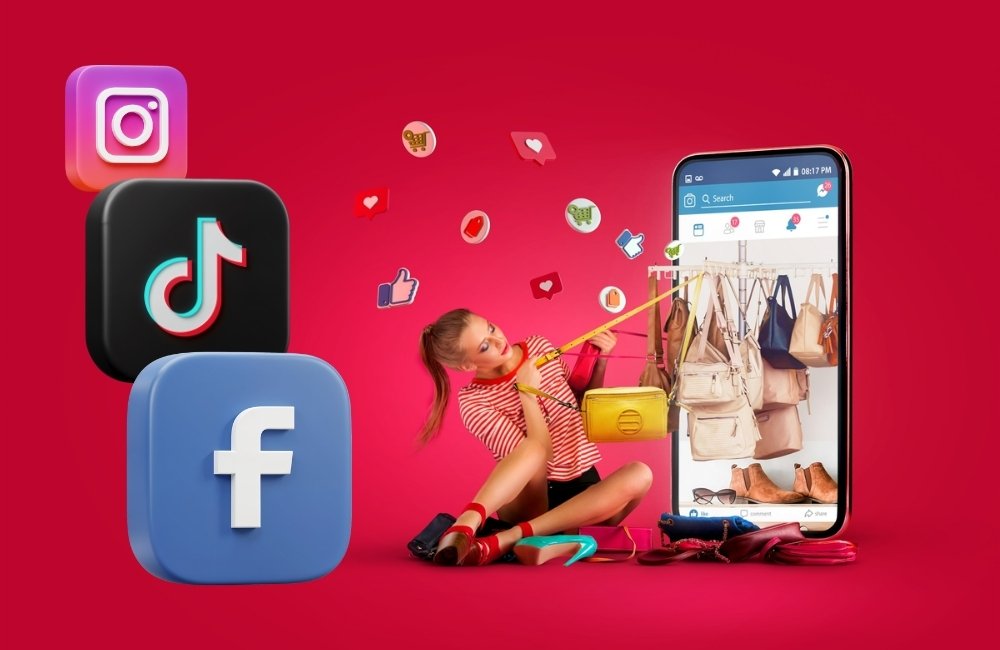
Social shopping has evolved from a novelty into a cornerstone of modern retail strategy. What started as simple product tags on Instagram has transformed into sophisticated, AI-driven shopping ecosystems that blur the lines between social media and e-commerce.
social commerce trends
Social commerce trends show more people buying directly through social media apps. Influencer shopping habits drive sales as followers
The numbers tell the story: social commerce sales reached $724 billion globally in 2022, and they’re projected to exceed $2.9 trillion by 2026. This isn’t just growth—it’s a fundamental shift in how consumers discover, evaluate, and purchase products.
For digital marketing professionals, understanding these social shopping trends isn’t optional anymore. The brands that master these emerging patterns will capture the attention of increasingly discerning consumers who expect seamless, personalized shopping experiences across every touchpoint.
Let’s explore the five trends that are defining the future of social commerce and how savvy marketers are leveraging them to drive unprecedented engagement and sales.
AI Shopping: When Algorithms Become Personal Stylists
Artificial intelligence has moved beyond recommendation engines to become a sophisticated shopping companion. Today’s AI shopping experiences use machine learning to analyze browsing behavior, purchase history, and even social media interactions to create hyper-personalized product suggestions.
Pinterest’s visual search tool exemplifies this trend. Users can snap a photo of any item—a friend’s sweater, a restaurant’s décor, or a magazine spread—and instantly receive shoppable suggestions for similar products. The AI doesn’t just match colors or shapes; it understands style preferences and budget constraints to deliver relevant options.
Instagram’s shopping features have similarly evolved. The platform’s algorithm now analyzes which posts users engage with most and surfaces related products in their shopping tab. This creates a feedback loop where engagement data continuously refines product recommendations, making each interaction more likely to convert.
Smart marketers are partnering with platforms that offer robust AI capabilities while also investing in first-party data collection. The brands that feed their AI systems with rich customer data—from quiz responses to style preferences—are seeing conversion rates increase by up to 40% compared to generic product recommendations.
Personalized Product Recommendations: Beyond “Customers Also Bought”
The era of generic product suggestions is ending. Modern personalized product recommendations consider context, timing, and individual customer journeys to deliver precisely the right product at exactly the right moment.
TikTok Shop has pioneered contextual recommendations by analyzing not just what users like, but when and how they engage with content. A user who consistently watches cooking videos in the evening might see kitchen gadget recommendations during their typical browsing window. At the same time, someone who engages with fitness content on weekends receives athletic wear suggestions on Friday afternoons.
Dynamic retargeting has also become more sophisticated. Instead of simply showing users products they’ve viewed, advanced systems now recommend complementary items based on purchase intent signals. Someone who adds running shoes to their cart might see recommendations for moisture-wicking shirts or fitness trackers—products that align with their apparent fitness goals.
The most successful brands are creating recommendation engines that learn from both explicit feedback (ratings, reviews, wish lists) and implicit signals (time spent viewing, scroll patterns, click-through rates). This multi-layered approach creates recommendations that feel intuitive rather than intrusive.
AR and VR Integration: Try Before You Buy Goes Digital
Augmented and virtual reality technologies are solving e-commerce’s biggest challenge: the inability to physically interact with products before purchasing. These immersive experiences are becoming essential tools for reducing return rates and increasing customer confidence.
social commerce trends
Social commerce trends show more people buying directly through social media apps. Influencer shopping habits drive sales as followers
Sephora’s Virtual Artist app allows customers to try on makeup using AR technology, seeing how different shades and products look on their actual face in real-time. The app has generated millions of virtual try-ons and significantly reduced returns for color cosmetics—a category traditionally plagued by high return rates due to color mismatches.
Furniture retailers like Wayfair and IKEA have implemented AR visualization tools that let customers see how products will look in their actual living spaces. Users can place virtual furniture in their rooms using their smartphone camera, helping them make more confident purchasing decisions.
Virtual shopping environments are also emerging. Some luxury brands are creating VR showrooms where customers can browse and interact with products in immersive digital spaces. These experiences often include virtual sales associates who can provide real-time assistance and product information.
The technology is becoming more accessible, too. Social media platforms are integrating AR features directly into their shopping experiences, eliminating the need for separate apps and reducing friction in the customer journey.
Livestream Shopping: Entertainment Meets E-commerce
Livestream shopping combines the immediacy of live video with the convenience of online shopping, creating an interactive experience that drives both engagement and sales. This trend, which originated in China, has found significant traction in Western markets.
Instagram Live Shopping allows brands and influencers to showcase products in real-time while viewers can ask questions, request demonstrations, and make purchases without leaving the live stream. The format creates urgency through limited-time offers and exclusive products available only during the broadcast.
TikTok Live Shopping has taken this concept further by integrating gamification elements. Hosts might offer flash discounts, conduct product giveaways, or create interactive challenges that reward viewers with special pricing. This approach transforms shopping from a transactional experience into entertainment.
The most successful livestream shopping events combine product education with community building. Hosts who engage authentically with their audience, answer questions thoughtfully, and provide genuine product insights see conversion rates that often exceed traditional e-commerce by 300% or more.
Beauty brands have particularly embraced this format, with makeup tutorials that allow viewers to purchase products as they’re being demonstrated. Fashion retailers are hosting virtual styling sessions where viewers can see how different pieces work together and make instant purchases.
Emerging Platforms: Where the Next Generation Shops
While established platforms continue to evolve, new social shopping opportunities are emerging on platforms that younger consumers call home. These spaces often offer less competition and more organic reach for brands willing to experiment.
BeReal, despite its focus on authentic, unfiltered content, is beginning to test shopping features that align with its casual, genuine aesthetic. Early adopters are finding success with subtle product placements in daily posts rather than traditional advertising formats.
Discord, traditionally a gaming platform, has seen explosive growth in shopping-focused communities where members share deals, review products, and make group purchases. Brands are partnering with Discord servers to offer exclusive drops and member-only pricing.
YouTube Shorts has integrated shopping features that allow creators to tag products in their vertical videos. The short-form format creates opportunities for quick product demonstrations and impulse purchases, especially for trending items or seasonal products.
Twitch, primarily known for gaming content, has expanded into “Just Chatting” categories where streamers review products, unbox purchases, and discuss their shopping experiences with engaged audiences. These authentic conversations often drive more purchasing intent than traditional advertisements.
The Future of Social Shopping Awaits
Social shopping trends are reshaping how brands connect with customers and how consumers discover products. The convergence of AI shopping, personalized recommendations, immersive technologies, livestream experiences, and emerging platforms creates unprecedented opportunities for digital marketing professionals.
Success in this evolving landscape requires more than just keeping up with trends—it demands a strategic approach that puts authentic customer experiences at the center. Brands that focus on adding genuine value through their social shopping initiatives, rather than simply pushing products, will build the lasting relationships that drive long-term growth.
The social shopping revolution is still in its early stages. As technologies mature and consumer expectations continue to rise, the brands that experiment thoughtfully, measure carefully, and adapt quickly will capture the largest share of this expanding market.
Start by identifying which trends align most closely with your audience’s behavior and preferences. Test small, measure results, and scale what works. The future of social commerce belongs to those who act today.
social commerce trends
Social commerce trends show more people buying directly through social media apps. Influencer shopping habits drive sales as followers
