

How to Use Long-Tail Keywords for Global SEO Success
global SEO keyword strategy
Build a strong global SEO keyword strategy by targeting different regions and languages. Use long-tail keywords for international SEO to reach specific audiences and boost search rankings worldwide.
Expanding your business globally requires more than translating your website content. Success in international markets demands a strategic approach to search engine optimization that accounts for cultural nuances, local search behaviors, and region-specific competition. Long-tail keywords serve as the foundation for effective global SEO strategies, offering businesses a pathway to connect with international audiences through precise, targeted search terms.
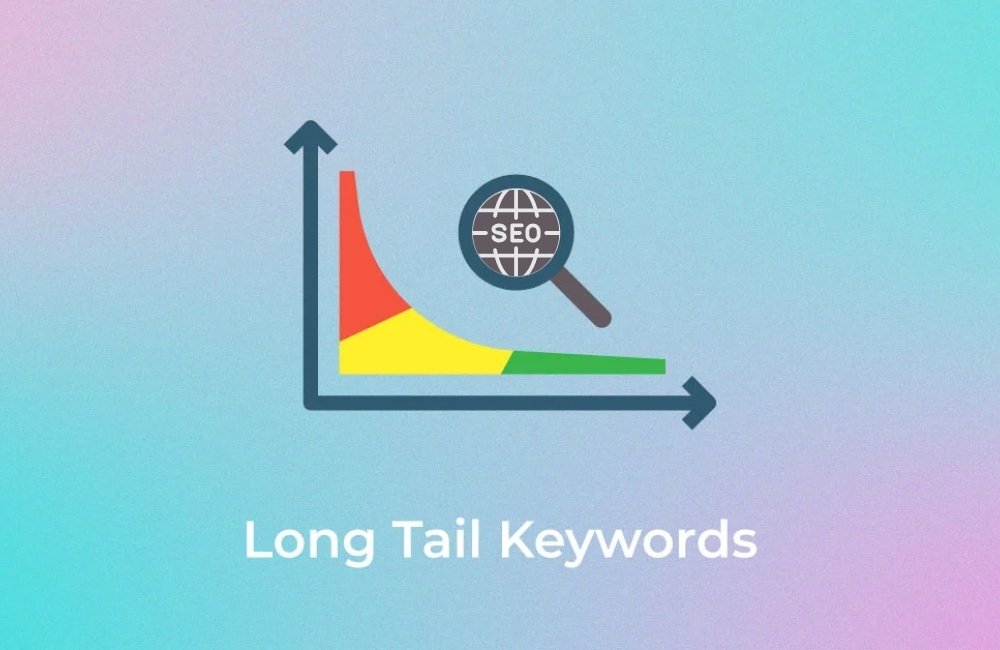
Long-tail keywords—phrases containing three or more words that target specific search queries—provide unique advantages for businesses pursuing international growth. These extended keyword phrases allow you to capture highly targeted traffic while competing in less saturated search landscapes across different regions and languages.
Understanding how to leverage long-tail keywords for global SEO will position your business to capture qualified international traffic, improve conversion rates, and establish a strong presence in new markets. This comprehensive approach to international keyword research will help you navigate the complexities of global search optimization.
Understanding Global SEO Fundamentals
Global SEO encompasses the strategic optimization of websites to rank effectively in search engines across multiple countries and languages. Unlike domestic SEO efforts that focus on a single market, international SEO requires consideration of diverse search behaviors, cultural preferences, and local competition patterns.
The foundation of successful global SEO lies in recognizing that search intent varies significantly across different regions. Users in various countries may use different terminology, phrase structures, and search patterns when looking for similar products or services. These variations create opportunities for businesses that understand how to identify and target region-specific long-tail keywords.
International SEO also involves technical considerations such as hreflang implementation, country-specific domain strategies, and localized content creation. However, keyword research remains the cornerstone of any successful global SEO campaign, as it informs content strategy, technical implementation, and resource allocation decisions.
Strategic Benefits of Long-Tail Keywords in Global Markets
Long-tail keywords offer distinct advantages for businesses pursuing international SEO success. These extended phrases typically face lower competition levels compared to broad, generic terms, making it easier for businesses to achieve rankings in competitive international markets.
The specificity of long-tail keywords aligns closely with user search intent, particularly important when targeting international audiences who may have different cultural contexts and search behaviors. Users searching for specific, detailed phrases are typically closer to making purchasing decisions, resulting in higher conversion rates for businesses that successfully target these terms.
Long-tail keywords also provide cost-effective opportunities for international expansion. Rather than competing against established global brands for broad terms, businesses can identify niche long-tail opportunities that allow them to capture qualified traffic while building authority in specific market segments.
Additionally, long-tail keywords enable businesses to create highly relevant, localized content that resonates with specific international audiences. This targeted approach supports both search engine rankings and user experience, creating sustainable competitive advantages in global markets.
Essential Tools for International Keyword Research
Google Trends serves as an invaluable resource for international keyword research, providing insights into search volume patterns, seasonal trends, and regional preferences across different countries. This tool allows businesses to compare keyword performance across multiple regions and identify emerging opportunities in specific markets.
When using Google Trends for global SEO research, focus on comparing your target long-tail keywords across different countries and periods. This analysis reveals regional preferences, seasonal patterns, and trending topics that can inform your international content strategy.
global SEO keyword strategy
Build a strong global SEO keyword strategy by targeting different regions and languages. Use long-tail keywords for international SEO to reach specific audiences and boost search rankings worldwide.
Additional keyword research tools such as SEMrush, Ahrefs, and Google Keyword Planner provide complementary data for international keyword research. These platforms offer search volume estimates, competition levels, and related keyword suggestions for specific countries and languages.
Local keyword research tools and native language resources also play crucial roles in comprehensive international keyword research. Collaborating with local experts or using region-specific search tools can uncover long-tail keyword opportunities that global tools might miss.
Identifying Effective Long-Tail Keywords for Global Markets
The process of identifying effective long-tail keywords for international SEO begins with understanding your target audience’s search behavior in each specific market. Start by analyzing your existing successful domestic long-tail keywords and research how similar concepts are expressed in your target international markets.
Consider cultural and linguistic differences that affect keyword selection. Direct translations rarely capture the nuanced ways different cultures search for products or services. Instead, research how native speakers naturally discuss your industry, products, or services in their local context.
Analyze your international competitors to identify long-tail keywords they successfully target. This competitive analysis reveals market-specific opportunities and helps you understand the competitive landscape for different keyword categories in each target region.
Focus on long-tail keywords that demonstrate clear commercial intent while maintaining reasonable search volumes in your target markets. Balance keyword specificity with search volume to ensure your selected terms can drive meaningful traffic while remaining achievable from a ranking perspective.
Implementing Long-Tail Keywords in Global SEO Strategies
Successful implementation of long-tail keywords for global SEO requires strategic content planning and technical optimization. Create dedicated pages or content sections that specifically target your identified international long-tail keywords while providing genuine value to users in each market.
Develop comprehensive content strategies that incorporate long-tail keywords naturally within high-quality, localized content. Avoid keyword stuffing or artificial phrase insertion that compromises content quality or user experience. Instead, create informative, engaging content that naturally incorporates your target phrases.
Technical implementation involves optimizing meta titles, descriptions, headers, and URL structures to include relevant long-tail keywords for each target market. Ensure your technical SEO foundation supports international targeting through proper hreflang implementation and country-specific optimization signals.
Consider creating location-specific landing pages or content hubs that target collections of related long-tail keywords for each international market. This approach allows you to build topical authority while targeting multiple relevant long-tail phrases within cohesive content structures.
Measuring and Optimizing Global Long-Tail Keyword Performance
Tracking the success of your international long-tail keyword strategy requires comprehensive monitoring across multiple metrics and markets. Establish baseline measurements for keyword rankings, organic traffic, and conversion rates for each target market and keyword group.
Use international SEO monitoring tools to track keyword performance across different countries and languages. Regular monitoring allows you to identify successful strategies, emerging opportunities, and areas requiring optimization adjustments.
Analyze user behavior metrics such as bounce rates, time on page, and conversion rates for traffic driven by international long-tail keywords. These engagement metrics indicate whether your content successfully meets user intent and provides value to international audiences.
Continuously refine your long-tail keyword strategy based on performance data and market feedback. International markets evolve rapidly, and successful global SEO requires ongoing adaptation to changing search behaviors, competition levels, and market conditions.
Building Sustainable International SEO Success
Long-tail keywords provide a strategic foundation for sustainable international SEO growth. By focusing on specific, targeted phrases that align with local search behaviors, businesses can build authority in international markets while avoiding direct competition with established global players.
The key to long-term success lies in maintaining a systematic approach to international keyword research, content creation, and performance monitoring. Businesses that consistently identify and target relevant long-tail keywords while creating valuable, localized content will establish strong positions in international search results.
Remember that global SEO success requires patience and persistence. International markets take time to develop, and long-tail keyword strategies often show gradual improvement rather than immediate, dramatic results. Focus on building comprehensive, sustainable approaches that support long-term international growth objectives.
Start implementing these long-tail keyword strategies for your international SEO efforts today. Begin with thorough keyword research in your highest-priority international markets, and gradually expand your efforts as you develop expertise and see initial results from your global SEO investments.
global SEO keyword strategy
Build a strong global SEO keyword strategy by targeting different regions and languages. Use long-tail keywords for international SEO to reach specific audiences and boost search rankings worldwide.
