

protect backlinks from penalties
Learn how to keep your backlinks safe from SEO penalties. Discover smart tips to protect your link profile, avoid Google penalties, and maintain strong, clean backlinks.
How to Keep Your Backlinks Safe from SEO Penalties
Backlinks remain one of the most powerful ranking factors in search engine optimization. These incoming links from other websites signal to search engines that your content is valuable and trustworthy. However, not all backlinks are created equal, and poor-quality links can actually harm your website’s performance.
Search engines like Google have become increasingly sophisticated at identifying manipulative link-building practices. When they detect patterns that violate their guidelines, they can impose penalties that devastate your organic traffic overnight. The good news? You can protect your website by understanding how to identify risky backlinks and implement strategies to maintain a healthy link profile.
This guide will walk you through everything you need to know about backlink safety, from conducting thorough audits to building sustainable link-building practices that stand the test of time.
Understanding Backlink Penalties
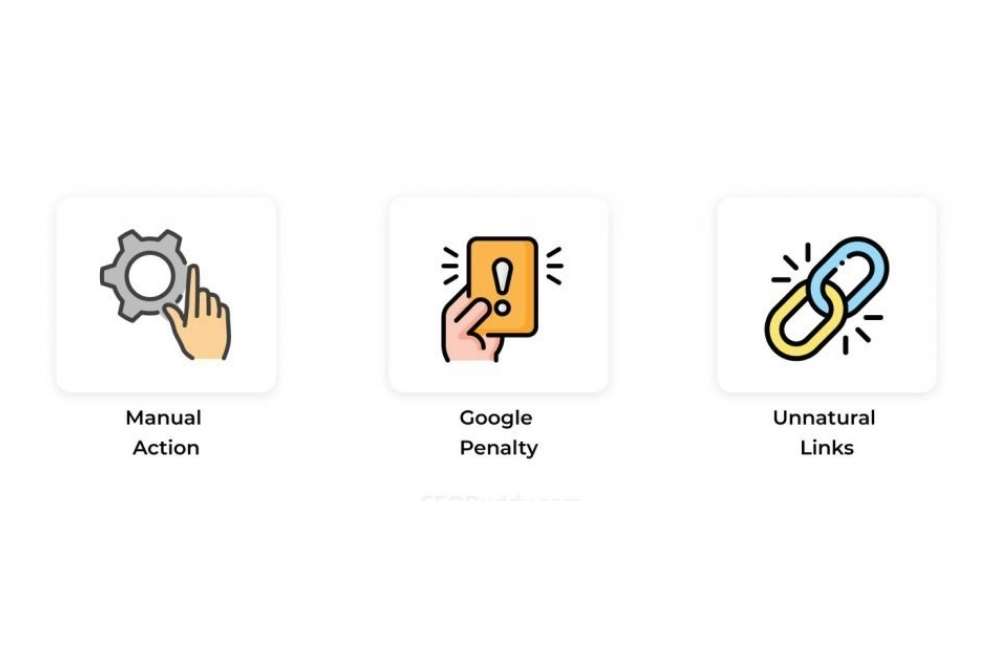
SEO penalties occur when search engines determine that your website violates their quality guidelines. These penalties can be algorithmic (automatically applied by search engine algorithms) or manual (imposed by human reviewers).
Backlink penalties specifically target websites with suspicious link profiles. Common triggers include:
Spammy link sourcessuch as link farms, private blog networks (PBNs), and directories with no editorial standards. These sites exist solely to manipulate search rankings rather than provide genuine value to users.
Irrelevant linksfrom websites that have no topical connection to your content. A backlink from a casino website to your gardening blog, for example, appears unnatural and raises red flags.
Over-optimized anchor textoccurs when too many of your backlinks use exact-match keywords as anchor text. Natural link profiles include a variety of anchor text types, including branded terms, generic phrases like “click here,” and partial keyword matches.
Paid linksthat don’t include proper no-follow attributes violate search engine guidelines. While legitimate sponsored content and advertising are acceptable, they must be properly marked to avoid penalties.
The impact of these penalties can be severe. Websites may experience dramatic drops in organic traffic, loss of keyword rankings, and, in extreme cases, complete removal from search results. Recovery can take months or even years, making prevention far more valuable than remediation.
Identifying Risky Backlinks
Regular backlink audits are essential for maintaining SEO health. Several tools can help you analyze your link profile and identify potential problems.
Google Search Consoleprovides free access to your backlink data directly from Google. Navigate to the “Links” section to see your top linking sites and most linked content. While the data isn’t comprehensive, it shows you what Google considers your most important backlinks.
Professional SEO toolslike Ahrefs, SEMrush, and Moz offer more detailed backlink analysis. These platforms can identify new links, track link growth over time, and flag potentially problematic links based on various quality metrics.
When reviewing your backlinks, watch for these warning signs:
Links from websites with extremely low domain authority or trust scores often indicate poor-quality sources. However, don’t focus solely on metrics—consider the actual content and purpose of the linking site.
Sudden spikes in backlinkscan indicate negative SEO attacks or the discovery of your links by link farms. Natural link building typically shows steady, gradual growth rather than dramatic increases.
Irrelevant anchor text patternsthat don’t match your content or seem designed to manipulate rankings for specific keywords require immediate attention.
Links from foreign language sitesthat have no connection to your target market or content topic may indicate spam or negative SEO efforts.
Strategies to Protect Your Backlinks
Building a diverse, high-quality backlink profile is your best defense against penalties. Focus on earning links from reputable sources within your industry or complementary niches.
Monitor your backlinks regularlyusing the tools mentioned above. Set up alerts to notify you of new links, allowing you to identify and address any problematic additions to your profile quickly.
protect backlinks from penalties
Learn how to keep your backlinks safe from SEO penalties. Discover smart tips to protect your link profile, avoid Google penalties, and maintain strong, clean backlinks.
The Google Disavow Toolserves as your last line of defense against toxic backlinks. This tool tells Google to ignore specific links when evaluating your website. However, use it carefully—disavowing good links can harm your rankings.
Before disavowing links, attempt to contact webmasters directly to request link removal. Document these efforts, as Google prefers to see that you’ve tried other solutions first. Only disavow links that you cannot remove through direct contact and that you’re confident are harming your site.
Create your disavow file as a simple text document listing the specific URLs or entire domains you want Google to ignore. Upload this file through Google Search Console, but remember that changes can take several weeks to take effect.
Earning High-Quality Backlinks
The most sustainable approach to backlink safety involves earning links naturally through valuable content and genuine relationships.
Create link-worthy contentthat others want to reference and share. This includes original research, comprehensive guides, infographics, and tools that provide unique value to your audience. When your content solves real problems or provides unique insights, other websites naturally want to link to it.
Guest bloggingon reputable websites in your industry can generate high-quality backlinks while establishing your expertise. Focus on sites with engaged audiences and strong editorial standards. Avoid guest posting networks or sites that accept any content without review.
Build relationshipswithin your industry through networking, collaborations, and participation in professional communities. Genuine relationships often lead to natural linking opportunities as you become a recognized expert in your field.
Digital PR and outreachcan help you earn links from news sites, industry publications, and influential blogs. Share newsworthy developments, expert commentary, or unique data that journalists and bloggers find valuable.
Monitoring and Maintaining Backlink Health
Backlink management requires ongoing attention rather than one-time fixes. Establish systems to monitor your link profile continuously and respond quickly to potential issues.
Set up automated alertsthrough your chosen SEO tools to notify you of new backlinks. This allows you to evaluate new links promptly and take action if necessary.
Review and update your disavow fileregularly. As you identify new toxic links or as previously disavowed sites improve their quality, you may need to modify your disavow file accordingly.
Stay informed about algorithm updatesthat might affect how search engines evaluate backlinks. SEO best practices evolve constantly, and maintaining awareness helps you adapt your strategy proactively.
Track your progressby monitoring key metrics like organic traffic, keyword rankings, and the overall health of your backlink profile. These metrics help you understand whether your backlink safety efforts are successful.
Building Long-Term Backlink Success
Protecting your backlinks from SEO penalties requires a combination of proactive monitoring, strategic disavowal, and commitment to earning high-quality links through legitimate means. The key lies in understanding that sustainable SEO success comes from providing genuine value rather than attempting to manipulate search algorithms.
Regular audits, careful link evaluation, and a focus on building relationships within your industry will serve you far better than any quick-fix link-building scheme. Remember that search engines continuously refine their ability to identify artificial linking patterns, making white-hat approaches not just safer, but ultimately more effective.
Invest the time to build a backlink profile that you can be proud of—one that reflects the quality of your content and the trust you’ve earned within your industry. This approach not only protects you from penalties but positions your website for sustained organic growth.
protect backlinks from penalties
Learn how to keep your backlinks safe from SEO penalties. Discover smart tips to protect your link profile, avoid Google penalties, and maintain strong, clean backlinks.
