

What Are Backlinks and Why Do They Matter (Simple Guide)
Search engines use hundreds of factors to determine which websites deserve to rank at the top of search results. Among these factors, backlinks remain one of the most powerful signals that can make or break your website’s visibility online.
Whether you’re running a small business website or managing content for a large corporation, understanding backlinks is essential for improving your search engine optimization (SEO) strategy. This guide will break down everything you need to know about backlinks in simple terms, explain why they’re crucial for your online success, and show you practical ways to start building them.
By the end of this post, you’ll have a clear roadmap for leveraging backlinks to improve rankings and drive more organic traffic to your website.
What Are Backlinks?
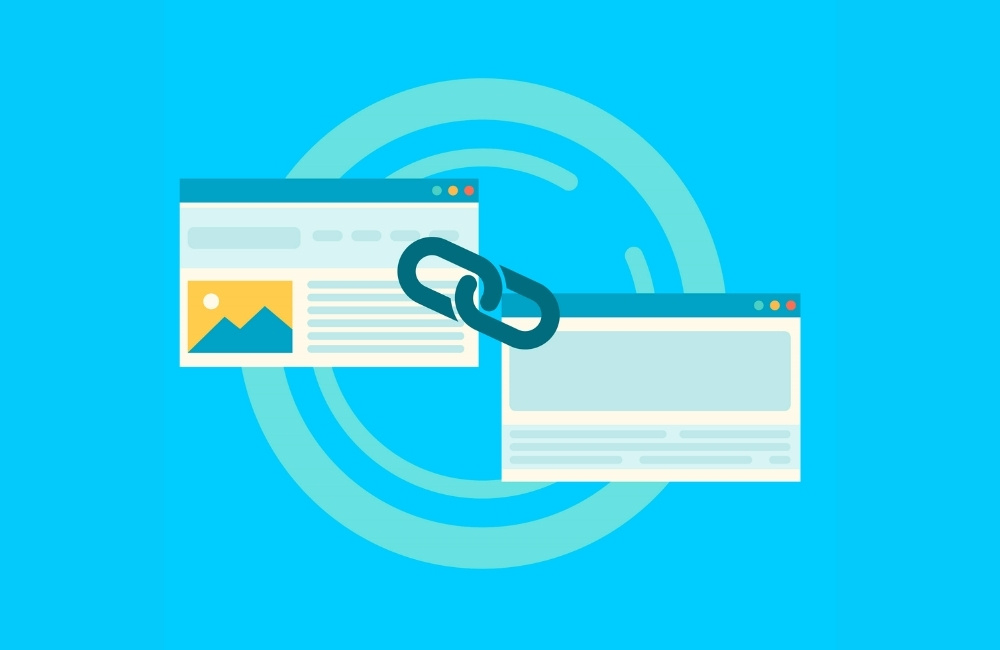
A backlink is simply a link from one website to another. When another website links to your site, you’ve earned a backlink. When you link to another website, you’re giving them a backlink.
Think of backlinks as digital recommendations. When a reputable website links to your content, they’re essentially vouching for your credibility and telling their audience that your information is worth checking out.
For example, if a popular home improvement blog links to your fence installation company’s guide on choosing the right fence material, that’s a valuable backlink. The blog is recommending your expertise to their readers, which search engines interpret as a trust signal.
Backlinks are also called inbound links, incoming links, or external links. Regardless of the terminology, they all refer to the same concept: links pointing from external websites to your site.
Why Backlinks Matter for SEO
Backlinks serve as one of Google’s primary ranking factors, influencing how your website performs in search results. Here’s why they’re so important:
Search Engine Rankings
Search engines like Google view backlinks as votes of confidence. When multiple websites link to your content, it signals that your information is valuable, trustworthy, and relevant. Websites with strong backlink profiles typically rank higher in search results than those without.
Google’s PageRank algorithm, which helped establish the search engine’s dominance, was built around analyzing the quality and quantity of backlinks pointing to web pages. While the algorithm has evolved significantly, backlinks remain a core component of how search engines evaluate website authority.
Increased Organic Traffic
Higher search rankings directly translate to more organic traffic. Studies consistently show that the top three search results receive the majority of clicks, with the first position capturing approximately 28% of all clicks.
Quality backlinks help your pages climb the search results, exposing your content to more potential visitors. Additionally, backlinks can drive direct referral traffic when people click through from the linking website to yours.
Domain Authority and Trust
Backlinks from established, authoritative websites help build your site’s overall domain authority. This metric indicates how trustworthy and credible search engines consider your entire website.
When reputable sites in your industry link to your content, it elevates your website’s perceived expertise and trustworthiness. This improved authority can benefit all pages on your site, not just the ones receiving direct backlinks.
Types of Backlinks
Understanding different types of backlinks helps you focus your link-building efforts on the most valuable opportunities.
Natural Backlinks
Natural backlinks occur organically when other websites find your content valuable enough to reference and link to without any prompting from you. These are the gold standard of backlinks because they represent genuine endorsements of your content quality.
Creating exceptional, useful content is the best way to earn natural backlinks. This might include comprehensive guides, original research, helpful tools, or unique insights that others want to share with their audiences.
Manual Backlinks
Manual backlinks result from deliberate link-building activities. This includes reaching out to other website owners, bloggers, or journalists to request links to your content.
Effective manual link building requires providing clear value to the linking site’s audience. You might offer to write a guest post, provide expert commentary for an article, or suggest your content as a helpful resource for their readers.
Self-Created Backlinks
Self-created backlinks are links you can add yourself through various online platforms. These include directory submissions, forum signatures, blog comments, or social media profiles.
While these backlinks are the easiest to obtain, they typically provide the least SEO value. Focus on self-created backlinks from reputable, relevant platforms rather than spammy directories or low-quality sites.
How to Get Quality Backlinks
Building a strong backlink profile requires a strategic approach focused on creating value and building relationships.
Create Link-Worthy Content
The foundation of successful link building is producing content that others naturally want to reference. This includes:
- Comprehensive guides that serve as go-to resources in your industry
- Original research or surveys that provide unique insights
- Helpful tools or calculators that solve common problems
- Visual content like infographics that simplifies complex information
Guest Blogging and Content Collaboration
Writing guest posts for reputable websites in your industry can earn valuable backlinks while exposing your expertise to new audiences. Focus on platforms that serve your target market and maintain high editorial standards.
When pitching guest post ideas, propose topics that align with the host site’s content strategy and provide genuine value to their readers. Avoid purely promotional content in favor of educational or informative pieces.
Build Relationships Through Outreach
Effective off-page SEO often involves building genuine relationships with other professionals in your industry. Engage with relevant websites, bloggers, and influencers through social media, industry events, and online communities.
When you’ve established rapport, you can naturally suggest your content as a resource when it’s relevant to their audience’s needs. This relationship-based approach tends to be more successful than cold outreach emails.
Leverage Local and Industry Connections
For local businesses, connections within your community can provide valuable backlink opportunities. This might include local business associations, chamber of commerce listings, or partnerships with complementary service providers.
Industry-specific directories and professional associations also offer opportunities for relevant, authoritative backlinks that can improve rankings for location-based and industry-specific searches.
Essential Backlink Tools
Several tools can help you monitor your backlink profile and identify new link-building opportunities:
Google Search Console provides free insights into which websites are linking to yours and how those links are performing. This tool should be your starting point for understanding your current backlink situation.
Ahrefs offers comprehensive backlink analysis, allowing you to explore your competitors’ link profiles and discover potential linking opportunities.
SEMrush provides backlink auditing features and helps identify potentially harmful links that could negatively impact your SEO performance.
Moz Link Explorer helps analyze link quality and provides metrics for evaluating the potential value of different backlink opportunities.
Building Long-Term Success Through Quality Links
Backlinks remain a cornerstone of effective SEO strategy, but success requires patience and focus on quality over quantity. The most sustainable approach involves creating genuinely valuable content and building authentic relationships within your industry.
Start by conducting a backlink audit of your current profile using the tools mentioned above. Identify gaps where competitors are earning links that you’re missing, then develop a strategic plan for creating content and building relationships that can help you earn similar links.
Remember that link building is a long-term investment. Focus on earning backlinks from relevant, authoritative sources rather than pursuing quick fixes that could harm your SEO performance. With consistent effort and a commitment to providing value, you can build a backlink profile that significantly improves your search rankings and drives sustainable organic traffic growth.
