

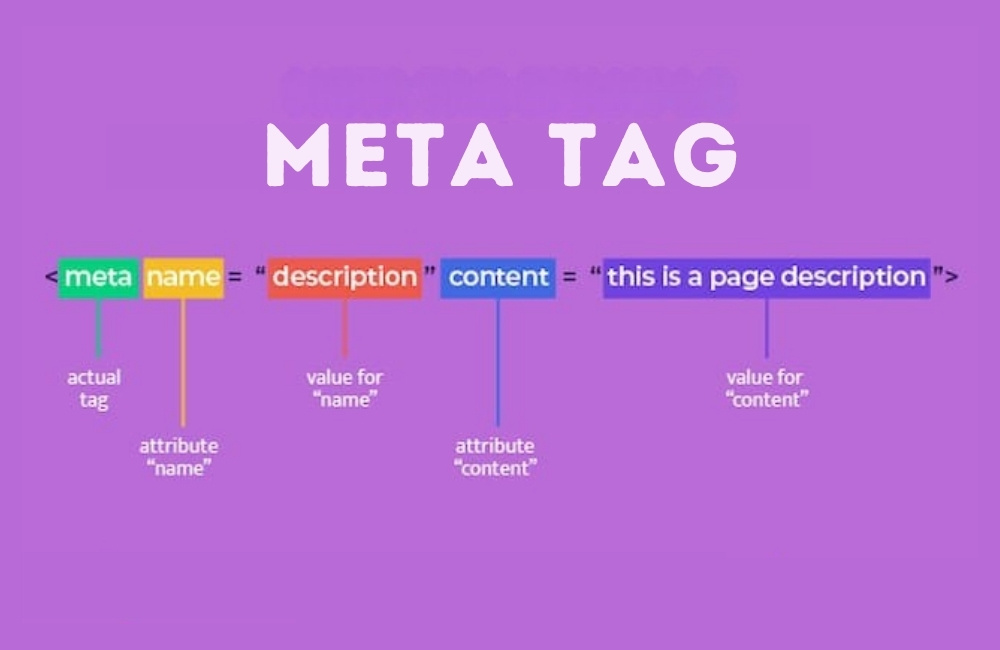
Good Meta Tags
Write Good Meta Tags to tell search engines what your page is about. Use these Meta Tag SEO Tips to improve visibility and attract more clicks.
What Good Meta Tags Look Like (Simple Examples)
Meta tags serve as the foundation of effective search engine optimization, acting as critical communication tools between your website and search engines. These HTML elements provide essential information about your web pages, directly influencing how your content appears in search results and whether users choose to click through to your site.
Understanding and implementing well-crafted meta tags can significantly enhance your website’s visibility, click-through rates, and overall search engine performance. The difference between mediocre and exceptional meta tags often determines whether your content reaches its intended audience or remains buried in search results.
This comprehensive guide examines the essential components of effective meta tags, provides proven examples, and delivers actionable strategies for optimizing your website’s search presence. By mastering these techniques, you’ll establish a stronger foundation for sustained organic growth and enhanced user engagement.
Understanding Meta Tag Types and Their Strategic Functions
Meta tags encompass several distinct categories, each serving specific purposes in search engine optimization and enhancing user experience.
Title Tags: Your Primary Search Result Asset
Title tags represent the most crucial meta element, appearing as the clickable headline in search engine results pages. These tags directly impact search rankings and user click-through decisions, making their optimization paramount for digital success.
Effective title tags incorporate primary keywords naturally while maintaining compelling, descriptive language that accurately represents page content. Search engines typically display the first 50-60 characters of title tags, requiring precise and impactful messaging within these constraints.
Meta Description Tags: Compelling Search Result Previews
Meta descriptions function as advertising copy for your web pages, providing concise summaries that appear beneath title tags in search results. While these elements don’t directly influence search rankings, they significantly impact click-through rates and user engagement metrics.
Strategic meta descriptions incorporate relevant keywords, highlight unique value propositions, and include clear calls to action that encourage user interaction. The optimal length ranges from 140 to 160 characters to ensure complete visibility across search platforms.
Robots Meta Tags: Technical SEO Control
Robots meta tags provide specific instructions to search engine crawlers regarding page indexing and link following behaviors. These technical elements enable precise control over how search engines interact with your content.
Every day, robots meta tag directives include “index” or “noindex” for page visibility, “follow” or “nofollow” for link crawling, and specialized commands like “noarchive” or “nosnippet” for additional content control.
Proven Examples of High-Performance Meta Tags
Examining successful meta tag implementations provides valuable insights into effective optimization strategies and practical application techniques.
E-commerce Product Page Excellence
Title Tag Example: “Wireless Bluetooth Headphones – Premium Sound Quality | TechStore”
This title tag effectively demonstrates keyword integration, product specificity, and brand inclusion within the optimal character limit. The structure prioritizes primary keywords while maintaining natural readability and brand recognition.
Meta Description Example: “Experience superior audio quality with our wireless Bluetooth headphones. Free shipping, 30-day returns, and 2-year warranty. Order now for next-day delivery.”
This description incorporates compelling benefits, addresses common purchase concerns, and includes a clear call-to-action that encourages immediate user engagement.
Service-Based Business Optimization
Title Tag Example: “Digital Marketing Agency Los Angeles – SEO & PPC Services | MarketPro”
This service-focused title tag effectively combines location-based keywords, service categories, and brand identification to capture local search traffic.
Good Meta Tags
Write Good Meta Tags to tell search engines what your page is about. Use these Meta Tag SEO Tips to improve visibility and attract more clicks.
Meta Description Example: “Award-winning digital marketing agency in Los Angeles. We deliver proven SEO, PPC, and social media strategies that increase traffic and conversions. Free consultation available.”
The description establishes credibility through social proof, outlines specific services, and provides a risk-free engagement opportunity that reduces user hesitation.
Content Marketing Implementation
Title Tag Example: “Complete Guide to Email Marketing Automation – Expert Tips 2024”
This content-focused title tag incorporates trending keywords, establishes expertise, and includes temporal relevance to capture current search interest.
Meta Description Example: “Master email marketing automation with our comprehensive guide. Learn proven strategies, best practices, and advanced techniques that increase engagement rates by 40%.”
The description promises valuable learning outcomes, incorporates specific performance metrics, and appeals to users seeking practical, results-driven information.
Strategic Approaches for Meta Tag Development
Creating effective meta tags requires a systematic approach that balances search engine requirements with user experience considerations.
Keyword Research and Integration Strategies
Comprehensive keyword research forms the foundation of successful meta tag optimization. Identify primary keywords that accurately represent page content while incorporating related terms that capture broader search intent.
Utilize keyword research tools to analyze search volume, competition levels, and user intent patterns. Focus on long-tail keywords that demonstrate higher purchase intent and face reduced competition from established competitors.
Length Optimization and Character Management
Title tags should remain within 50-60 character limits to ensure complete visibility across search platforms. Meta descriptions require 140-160 character optimization to maximize search result real estate and message effectiveness.
Test different character combinations to identify optimal messaging that conveys maximum value within these constraints. Prioritize essential information at the beginning of both title tags and meta descriptions.
Brand Integration and Differentiation
Incorporate brand names strategically within meta tags to enhance recognition and establish market differentiation. Position brand elements naturally within the content flow rather than forcing awkward placements that compromise readability.
Consider variations in brand placement based on brand recognition levels and competitive landscapes. Established brands may prioritize brand positioning, while newer companies might emphasize value propositions and unique selling points.
Critical Meta Tag Mistakes That Undermine Performance
Avoiding common meta tag errors prevents significant traffic losses and maintains the credibility of search engines.
Misleading Content Descriptions
Creating meta descriptions that don’t accurately represent page content damages user trust and increases bounce rates. Search engines monitor user behavior signals and may penalize pages that consistently deliver poor user experiences.
Ensure meta descriptions provide honest, accurate previews of page content that set appropriate user expectations and deliver promised value consistently.
Keyword Stuffing and Over-Optimization
Excessive keyword repetition within meta tags appears unnatural and may trigger search engine penalties. Focus on natural language that incorporates keywords seamlessly within compelling, readable messaging.
Balance keyword optimization with user experience considerations, prioritizing clear communication over keyword density targets that compromise message effectiveness.
Duplicate Meta Tag Implementation
Using identical meta tags across multiple pages eliminates opportunities for targeted optimization and confuses search engine understanding of page purposes.
Develop unique meta tags for each page that reflect specific content themes, target relevant keywords, and user intent patterns aligned with individual page objectives.
Testing and Optimization Methodologies
Systematic testing approaches enable continuous improvement of meta tags and performance enhancement over time.
Performance Monitoring Tools
Utilize Google Search Console to monitor click-through rates, impression volumes, and average search positions for different meta tag variations. These metrics provide direct feedback on the effectiveness of meta tags and optimization opportunities.
Implement A/B testing protocols for meta tag variations to identify messaging approaches that generate superior performance across key metrics.
Competitive Analysis Integration
Analyze competitor meta tag strategies to identify successful approaches and market positioning opportunities. Focus on differentiation strategies that highlight unique value propositions rather than directly copying competitor messaging.
Monitor changes in competitor performance to identify emerging trends and optimization opportunities within your market segment.
Advanced Meta Tag Strategies for Enhanced Performance
Beyond basic optimization techniques, advanced strategies can provide additional competitive advantages and performance improvements.
Schema Markup Integration
Combine traditional meta tags with structured data markup to enhance search result appearances and provide additional context to search engines. Rich snippets generated through schema markup can significantly improve click-through rates and user engagement.
Local SEO Meta Tag Optimization
For location-based businesses, incorporate geographic keywords and local identifiers into meta tags to effectively capture local search traffic. Include city names, regional terms, and location-specific service descriptions that align with local search intent.
Mobile Optimization Considerations
Ensure meta tags display effectively across mobile devices, where character limits may differ and user behavior patterns vary from those on desktops—test meta tag appearances across different device types and screen sizes.
Establishing Long-Term Meta Tag Success
Effective meta tag optimization requires ongoing attention and strategic refinement to maintain competitive performance in evolving search landscapes.
Meta tags represent fundamental elements of successful digital marketing strategies, directly influencing search visibility and user engagement across all market segments. The examples and techniques outlined in this guide provide proven frameworks for developing meta tags that drive measurable increases in traffic and enhance user experiences.
Implementing these optimization techniques systematically will establish stronger search engine relationships and more effective user communication. Regular monitoring and refinement ensure continued performance improvements and sustained competitive advantages in dynamic digital marketplaces.
Begin optimizing your meta tags immediately using these proven strategies, and monitor performance metrics to validate improvements and identify additional opportunities for optimization that drive continued growth and market expansion.
Good Meta Tags
Good Meta Tags
Good Meta Tags
Good Meta Tags
Good Meta Tags
Write Good Meta Tags to tell search engines what your page is about. Use these Meta Tag SEO Tips to improve visibility and attract more clicks.
