

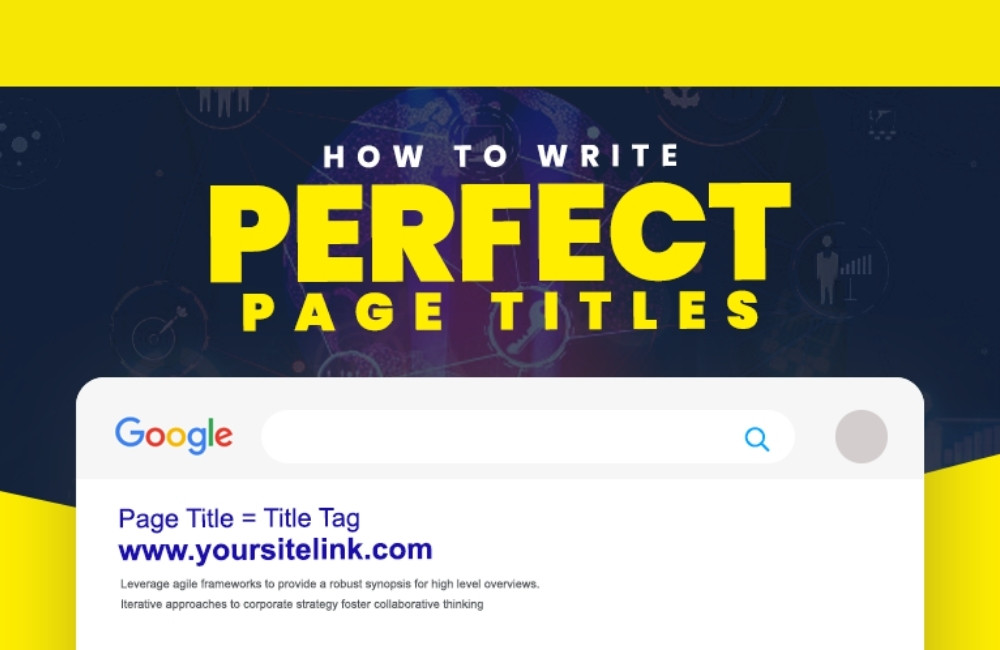
Simple Ways to Optimize Your Page Titles for Better Results
Your page titles serve as the first impression potential visitors have of your content. These critical elements appear in search engine results, browser tabs, and social media shares, making them one of the most influential factors in determining whether users click through to your website. Despite their fundamental importance, many websites struggle with poorly optimized page titles that fail to capture attention or effectively communicate their value.
A well-crafted page title functions as both a marketing tool and an SEO asset. It must satisfy search engine algorithms while compelling human users to take action. The challenge lies in striking a balance between keyword optimization and persuasive copy that resonates with your target audience. When appropriately executed, optimized page titles can significantly increase click-through rates, improve search rankings, and drive more qualified traffic to your website.
Understanding the mechanics of effective page title optimization requires examining both technical requirements and user psychology. Search engines use page titles as ranking signals, while users rely on them to determine the relevance and quality of content. This dual purpose demands a strategic approach that considers multiple factors simultaneously.
Essential Best Practices for Page Title Optimization
Maintain Optimal Length Parameters
The ideal page title length ranges from 50 to 60 characters, ensuring complete visibility in search engine results pages. Google typically displays approximately 600 pixels of title text, which translates to roughly 60 characters for most fonts. Titles exceeding this limit risk truncation, potentially cutting off crucial information that could influence click-through decisions.
Consider the difference between a truncated title like “Complete Guide to Digital Marketing Strategies for Small Business…” versus a concise alternative such as “Digital Marketing Guide for Small Businesses (2024).” The shorter version communicates the same value proposition while remaining fully visible to searchers.
Strategic Keyword Integration
Incorporating primary keywords near the beginning of your page title maximizes their SEO impact. Search engines assign greater weight to keywords appearing earlier in titles, making front-loading an effective optimization strategy. However, keyword placement must feel natural and maintain readability for human users.
Effective keyword integration involves understanding search intent and matching your title to user expectations. If your primary keyword is “email marketing tips,” consider titles like “Email Marketing Tips That Increase Open Rates by 40%” rather than generic alternatives such as “Tips for Better Email Marketing Success.”
Enhance Readability and Appeal
Page titles should communicate clear value propositions using language that resonates with your target audience. Avoid using industry jargon when simpler alternatives are available, and focus on the benefits rather than the features. Action-oriented language often performs better than passive descriptions.
Consider incorporating emotional triggers or urgency when appropriate. Titles containing words like “proven,” “essential,” “ultimate,” or “complete” tend to generate higher click-through rates. However, ensure these descriptors accurately reflect your content quality to maintain user trust and engagement.
Common Page Title Mistakes to Avoid
Duplicate Title Tags
Using identical page titles across multiple pages creates confusion for both search engines and users. Each page should feature a unique title that accurately describes its specific content. Duplicate titles dilute SEO effectiveness and make it difficult for users to distinguish between different pages in search results.
Conduct regular audits to identify and eliminate duplicate titles throughout your website. Tools like Screaming Frog or SEMrush can help identify these issues systematically across large websites.
Keyword Stuffing and Over-Optimization
Cramming multiple keywords into page titles creates awkward, unnatural language that repels users and may trigger search engine penalties. Modern search algorithms prioritize user experience over keyword density, making readability more critical than keyword saturation.
Instead of titles like “Best Digital Marketing Agency Digital Marketing Services Online Marketing Company,” opt for natural alternatives such as “Digital Marketing Agency Delivering Proven Results for Growing Businesses.”
Generic or Vague Descriptions
Titles lacking specificity fail to differentiate your content from competitors and provide little incentive for users to click through. Avoid generic phrases like “Welcome to Our Website” or “Home Page” that communicate no meaningful value.
Replace vague titles with specific, benefit-focused alternatives that communicate what users will gain from visiting your page. Specificity builds credibility and sets appropriate expectations for your content.
Missing Brand Integration
Incorporating your brand name in page titles, particularly for the homepage and key landing pages, reinforces brand recognition and credibility. However, brand placement should complement rather than overshadow primary keywords and value propositions.
For most pages, place brand names at the end of titles, using separators such as pipes (|) or hyphens (-). This approach prioritizes keywords while maintaining brand visibility.
Powerful Tools and Resources for Title Optimization
SEO Analysis Platforms
Professional SEO tools provide comprehensive title tag analysis and optimization recommendations. Platforms like Ahrefs, SEMrush, and Moz offer features for tracking title performance, identifying optimization opportunities, and monitoring competitor strategies.
These tools typically include SERP preview features that show how your titles will appear in search results, helping you optimize for maximum visual impact and click-through potential.
Title Tag Generators and Testing Tools
Specialized title optimization tools can streamline the creation and testing process. CoSchedule’s Headline Analyzer evaluates title effectiveness across multiple criteria, while tools like Portent’s Content Idea Generator provide creative inspiration for engaging titles.
A/B testing platforms enable data-driven title optimization by comparing the performance of different title variations. Tools like Optimizely or Google Optimize can help identify which title approaches generate the highest engagement rates.
Analytics and Performance Monitoring
Google Search Console provides invaluable insights into title performance through click-through rate data and impression statistics. This information reveals which titles attract user attention and which may benefit from optimization.
Regular monitoring of title performance metrics enables continuous improvement and helps identify trends in user behavior and preferences within your specific industry or niche.
Transform Your Traffic with Strategic Title Optimization
Effective page title optimization represents one of the most accessible yet impactful SEO strategies available to website owners. The principles outlined above provide a foundation for creating titles that satisfy both search engine requirements and user expectations. Remember that optimization is an ongoing process requiring regular analysis, testing, and refinement based on performance data.
Begin implementing these strategies systematically across your website, starting with your most important pages and gradually expanding to encompass your entire site. Monitor performance metrics closely and adjust your approach based on real-world results, rather than relying on assumptions about user behavior.
The investment in proper page title optimization pays dividends through increased organic traffic, improved click-through rates, and enhanced user engagement. These foundational elements support broader SEO objectives while directly contributing to business growth and online visibility.
