

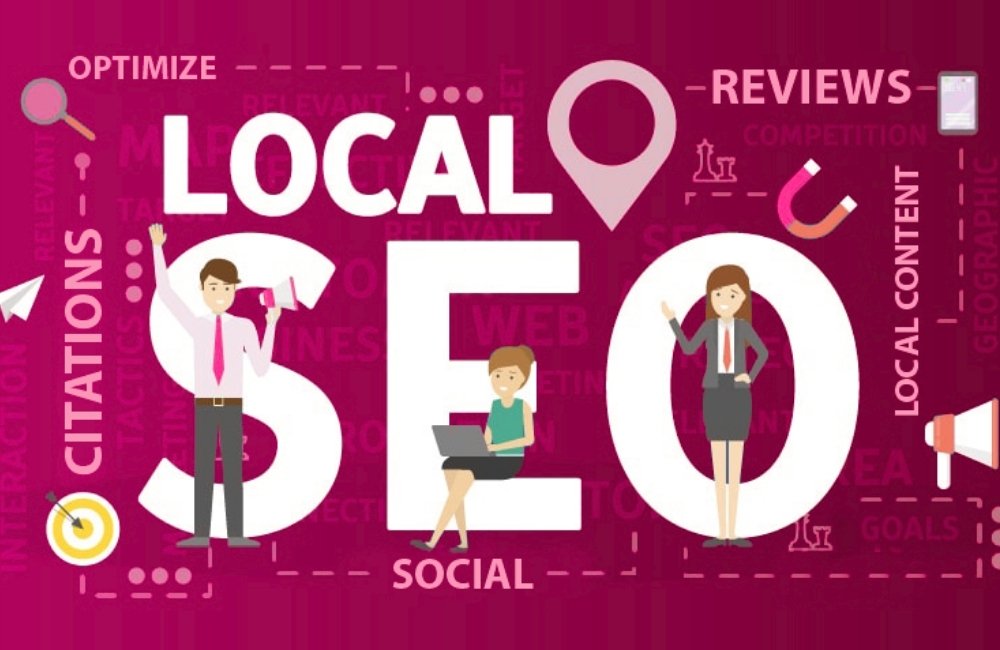
Why Local SEO is Your Small Business’s Secret Weapon
When potential customers search for services “near me,” where does your business appear? If you can’t answer that question confidently, you’re missing out on one of the most powerful marketing opportunities available to small businesses.
Local SEO represents a game-changing opportunity for small businesses to compete with larger corporations on a level playing field. Unlike traditional advertising that casts a wide net, local SEO helps you connect with customers who are actively searching for your products or services in your specific area. These aren’t casual browsers—they’re potential customers with high purchase intent, often ready to decide within hours of their search.
The numbers tell a compelling story. Mobile searches for “where to buy” plus “near me” have grown by over 200% in recent years, and 76% of people who conduct a local search visit a business within 24 hours. For small businesses operating on limited marketing budgets, local SEO provides an incredibly cost-effective way to capture a ready-to-buy audience.
What is Local SEO?
Local SEO is the practice of optimizing your online presence to attract customers from location-based searches. While traditional SEO focuses on ranking for broad keywords nationally or globally, local SEO targets customers in your immediate geographic area who are searching for businesses like yours.
The foundation of local SEO rests on three core components. First, your Google My Business profile serves as your digital storefront, displaying crucial information like your address, phone number, hours, and customer reviews directly in search results. Second, local citations—mentions of your business name, address, and phone number across various online directories—help search engines verify your business’s legitimacy and location. Third, localized content and keywords help search engines understand what services you offer and where you offer them.
Search engines use these signals, combined with the searcher’s location, to determine which businesses to display for local queries. When someone searches for “coffee shop near me” or “plumber in Chicago,” search engines analyze hundreds of factors to serve the most relevant local results.
Why Local SEO Matters for Your Bottom Line
Local SEO delivers three critical advantages that directly impact your business’s growth and profitability.
Increased Visibility Where It Counts
Local SEO puts your business in front of customers at the exact moment they’re looking for your services. When your business appears in the coveted “local pack”—those three businesses featured prominently in Google’s local search results—you gain prime real estate on the search results page. This visibility is particularly valuable because local pack results appear above traditional organic results, allowing you to outrank larger competitors who may dominate national SEO.
Highly Targeted Traffic
Local searches represent some of the highest-intent traffic you can attract. Someone searching for “emergency locksmith Denver” or “Italian restaurant downtown” isn’t just browsing—they need a solution now. This targeted traffic converts at significantly higher rates than general website visitors, as these potential customers are already primed to make a purchase decision.
Superior Conversion Rates
Local SEO typically delivers conversion rates that significantly exceed those of other digital marketing channels. The combination of high intent, immediate need, and geographic relevance creates ideal conditions for converting searchers into customers. Studies consistently show that local searches lead to in-store visits, phone calls, and online purchases at rates significantly higher than other traffic sources.
Additionally, local SEO builds trust and credibility. When potential customers see your business consistently appearing in local search results with positive reviews and accurate information, it establishes your legitimacy and reliability in the community.
Essential Local SEO Strategies That Drive Results
Success in local SEO requires a strategic approach across several key areas.
Google My Business Optimization
Your Google My Business (GMB) profile is your most powerful local SEO tool. Start by claiming and verifying your listing, then optimize every element. Upload high-quality photos that showcase your business, products, and team. Write a compelling business description that incorporates relevant local keywords naturally. Most importantly, maintain accurate and consistent information—incorrect hours or phone numbers can cost you customers and hurt your rankings.
Encourage satisfied customers to leave reviews and respond professionally to all reviews, both positive and negative. Google views active engagement as a positive ranking signal, and potential customers appreciate businesses that communicate openly with their community.
Strategic Local Keyword Research
Effective local SEO begins with understanding how your customers search for your services. Local keyword research goes beyond adding your city name to generic terms. Consider the names of neighborhoods, landmarks, and local terminology that residents commonly use. A restaurant might target “best tacos near Union Square” rather than just “best tacos in San Francisco.”
Use tools like Google’s Keyword Planner, focusing on location-specific variations of your core services. Look for opportunities to create content around local events, partnerships with other businesses, or community involvement that naturally incorporates these keywords.
Building Strong Local Citations
Consistency is crucial when building local citations. Ensure your business name, address, and phone number (NAP) appear identically across all platforms. Begin with major directories, such as Yelp and Yellow Pages, as well as industry-specific directories relevant to your business type.
Don’t overlook local opportunities, such as chamber of commerce websites, local newspaper business directories, or community organization listings. These local citations often carry more weight for local SEO than national directories because they demonstrate genuine community connections.
Measuring Your Local SEO Success
Tracking the proper metrics helps you understand your local SEO performance and identify opportunities for improvement.
Google My Business Insights offers valuable data on how customers discover and engage with your listing. Monitor metrics like total views, search queries that led to your listing, and actions taken (website visits, phone calls, direction requests). These insights reveal both your visibility and the effectiveness of your listing in converting viewers into customers.
Google Analytics can track local traffic patterns by setting up goals for key actions, such as phone calls, contact form submissions, or in-store visits. Pay attention to organic traffic from your local area and monitor how this traffic behaves compared to other sources.
Regular rank tracking for your target local keywords helps you understand your competitive position. Tools like BrightLocal or SEMrush can track your rankings for location-specific searches and alert you to significant changes.
Customer feedback provides qualitative insights that complement your quantitative data. Reviews often mention how customers found your business, what convinced them to choose you, and what aspects of your service matter most to your local market.
Your Next Steps to Local SEO Success
Local SEO provides small businesses with an unparalleled opportunity to connect with ready-to-buy customers in their immediate vicinity. The strategies outlined here—optimizing your Google My Business profile, conducting thorough local keyword research, and building consistent local citations—form the foundation of effective local SEO.
Start with a comprehensive audit of your current local presence. Search for your business using various local terms and note where you appear in the results. Check your GMB listing for accuracy and completeness. Review your citations across major directories for consistency.
Remember that local SEO is an ongoing process, not a one-time fix. Search algorithms evolve, competitors adjust their strategies, and customer behavior changes. Regular monitoring and optimization ensure your business maintains its competitive edge in local search results.
The small businesses that embrace local SEO today will build sustainable competitive advantages that compound over time. Every review earned, every citation built, and every piece of local content created contributes to a more substantial local presence that becomes increasingly difficult for competitors to match.
