

International SEO Tips
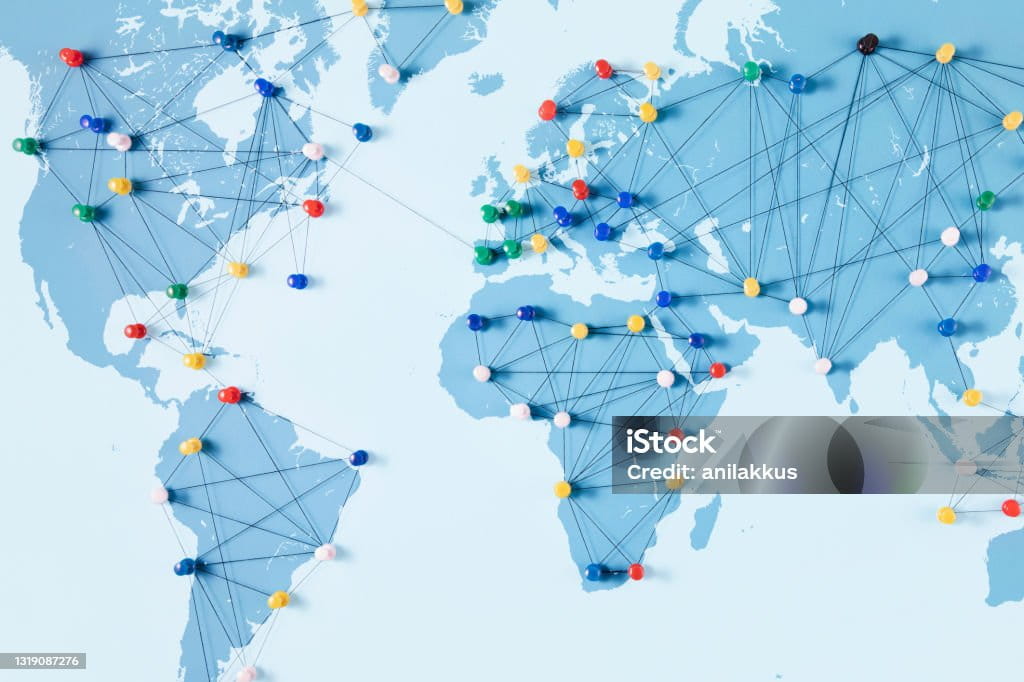
International SEO Tips help businesses grow beyond borders by making their websites visible in multiple countries. For better global business optimization, it’s important to create content and structure that fits the needs of international visitors.
Using smart multilingual SEO techniques, you can target customers in different languages and regions effectively. This leads to better worldwide website ranking, making your business easier to find no matter where people are searching from.
Expanding your business to new countries can feel like a big step. You have a great product or service, but if people in other places cannot find you online, all your hard work stays hidden. That’s where international SEO comes in. It’s a way to ensure your website appears in search results for people who speak different languages or reside in other regions.
In this guide, you’ll learn easy steps to:
- Choose which countries to focus on
- Make your content speak their language
- Set up your website so it works everywhere
- Track your progress and keep getting better
By the end, you’ll have a clear plan to reach more people, build trust, and expand your global sales.
Boost Your Business Worldwide with SEO
1. What Is International SEO and Why Does It Matter
International SEO involves helping search engines display your site to users in other countries and languages. If you only use English or stick to one region’s rules, you miss out on millions of potential customers. Effective international SEO enables visitors from abroad to easily locate your pages, read your content, and purchase your products.
Why should you care?
- The global online shopping market is vast and continues to grow.
- Sites that speak the local language tend to sell more and keep customers longer.
- Ignoring local search habits means your site will be left behind by competitors who do take them seriously.
With the right approach, you make your site helpful and friendly to people everywhere.
2. Picking the Best Markets for Your Business
Before you start translating pages or adjusting settings, you need to determine which countries to target. Here’s how to pick:
- Look at Your Current Traffic
- Check your website data to see where visitors already come from.
- If you have readers in a particular country, that’s a good sign to invest more in that market.
- Study Local Demand
- Use simple tools like Google Trends to see if people search for your product or service in that region.
- Ask your social media followers where they live and what they’re looking for.
- Size Up the Competition
- Search for your main keywords in that country’s language and see who ranks at the top.
- Read local blogs and forums to learn what others are offering and how you could stand out.
- Think About Costs and Rules
- Some countries impose additional fees or taxes on online businesses.
- Privacy and advertising laws vary, so ensure you understand the local requirements.
By doing this homework first, you save time and money. You focus on markets where you have a real chance to grow.
3. Making Your Content Speak Their Language
Simply translating your pages word-for-word is not enough. You want your message to connect with local readers. Follow these steps:
- Find Local Keywords
- Use free tools to see which words people type when looking for a service like yours.
- Instead of translating English keywords, find the local way people ask questions.
- Hire Native Speakers
- A person who grew up speaking the language will catch mistakes and use natural phrases more easily.
- Avoid relying solely on machine translations, which can sound robotic or confusing.
- Adapt Examples and Stories
- When mentioning “holiday” in the UK, use “vacation” when speaking to Americans.
- Swap out cultural references so they make sense locally (food, sports, holidays).
- Add Regional Details
- Date formats, measurement units, and currencies should align with local standards and regulations.
- Show images that resonate with the people of that region—familiar places, common styles.
International SEO Tips
International SEO Tips help businesses grow beyond borders by making their websites visible in multiple countries. For better global business optimization, it’s important to create content and structure that fits the needs of international visitors.
Using smart multilingual SEO techniques, you can target customers in different languages and regions effectively. This leads to better worldwide website ranking, making your business easier to find no matter where people are searching from.
When your content feels made just for them, readers stay longer, trust you more, and take action.
4. Setting Up Your Website for Different Regions
Your site structure helps both search engines and visitors understand which pages are associated with a specific country or language. You have three main options:
- Country Domains (ccTLDs) example.fr for France, example.de for Germany. These are strong signals, but they require separate hosting and maintenance.
- Subfolders example.com/fr/ or example.com/de/. . Easier to manage in one place, with most technical work happening on one server.
- Subdomains fr.example.com or de.example.com. . They look separate to search engines but still share some resources.
Which one should you choose?
- If you have the budget and want the clearest signal, go with country domains.
- If you need a more straightforward setup, subfolders are a budget-friendly option that works well.
- Subdomains sit in the middle but can be tricky if you lack technical help.
No matter the choice, keep navigation clear. Allow visitors to easily switch regions or languages using a menu or flag icon.
5. Technical Tweaks That Make a Big Difference
Beyond words and site structure, a few technical details help ensure your pages get shown to the right audience:
- Use hreflang Tags
- These little codes tell search engines which page is for which language or region.
- If you have French content for France and French content for Canada, hreflang helps avoid mix-ups.
- Mobile-Friendly Design
- In many countries, people browse and shop mostly on phones.
- Ensure buttons, images, and text display well on small screens.
- Fast Loading Times
- Slow pages lose readers quickly.
- Compress images and use simple layouts to optimize performance.
- Local Hosting (Optional)
- Hosting your site closer to your target audience can shave seconds off load times.
- It’s not a must, but it can help in places with slow internet.
- Secure Connections (HTTPS)
- A locked padlock icon in the browser bar gives visitors confidence.
- Most search engines prefer secure sites and may rank them higher.
These small changes add up to a smoother experience for international visitors.
6. Getting Trusted Backlinks from Around the World
Backlinks—links from other sites that point to yours—remain a top factor for rankings. To earn good links overseas:
- Reach Out to Local Bloggers: Send a friendly email expressing your appreciation for their work and suggest contributing a guest post.
- Partner with Local Businesses Exchange mentions or collaborate on a small project that you both promote.
- Join Regional Forums and Groups. Share helpful tips (not just links) so people see you as an expert worth linking to.
- Create Shareable Resources: Infographics, checklists, or simple tools that people naturally want to share on their sites.
Focus on quality over quantity. A handful of links from respected local sites is worth more than dozens of random links.
7. Measuring Your Progress and Staying on Track
It’s not enough to set things up once and walk away. Keep an eye on how each region is doing:
- Regional Traffic Check: How many visitors come from each country? Are numbers going up?
- Engagement Metrics: Examine the time spent on the page, the number of pages per visit, and the bounce rate. Are people sticking around?
- Conversion Rates Track form fills, sign-ups, or purchases by country or language. Which markets perform best?
- Keyword Rankings: See where you rank for top local keywords. Are you moving up over time?
Set aside time each month to review these numbers. If something looks off—like a sudden traffic drop—dig in right away. Fix broken links, update old content, or tweak keywords.
8. Tips for Ongoing Success
- Keep Content Fresh. Regularly add new articles, guides, or updates in each language.
- Listen to Local Feedback: Read comments, emails, or social media messages from each region. Adapt your content to meet the needs of what people ask.
- Stay Aware of Local Trends. Pay attention to news, holidays, or events in your target markets. Create timely content they’ll search for.
- Test and Learn Try small changes—like a new headline or image—and compare results. Double down on what works.
- Collaborate with Local Experts: Engage freelancers or agencies that have in-depth knowledge of the market.
By treating each region as its own project, you’ll build stronger connections and better results over time.
Conclusion
Growing your business internationally doesn’t have to be confusing or expensive. With a step-by-step approach—choosing the right markets, speaking your audience’s language, setting up your site correctly, and watching your data—you can open doors to new customers around the globe.
Start small, learn as you go, and keep improving. Each win abroad boosts your overall success and makes your brand truly global. Ready to take the next step? Select one new country or language today and apply these straightforward strategies. Your worldwide audience is waiting.
International SEO Tips
International SEO Tips help businesses grow beyond borders by making their websites visible in multiple countries. For better global business optimization, it’s important to create content and structure that fits the needs of international visitors.
Using smart multilingual SEO techniques, you can target customers in different languages and regions effectively. This leads to better worldwide website ranking, making your business easier to find no matter where people are searching from.
